
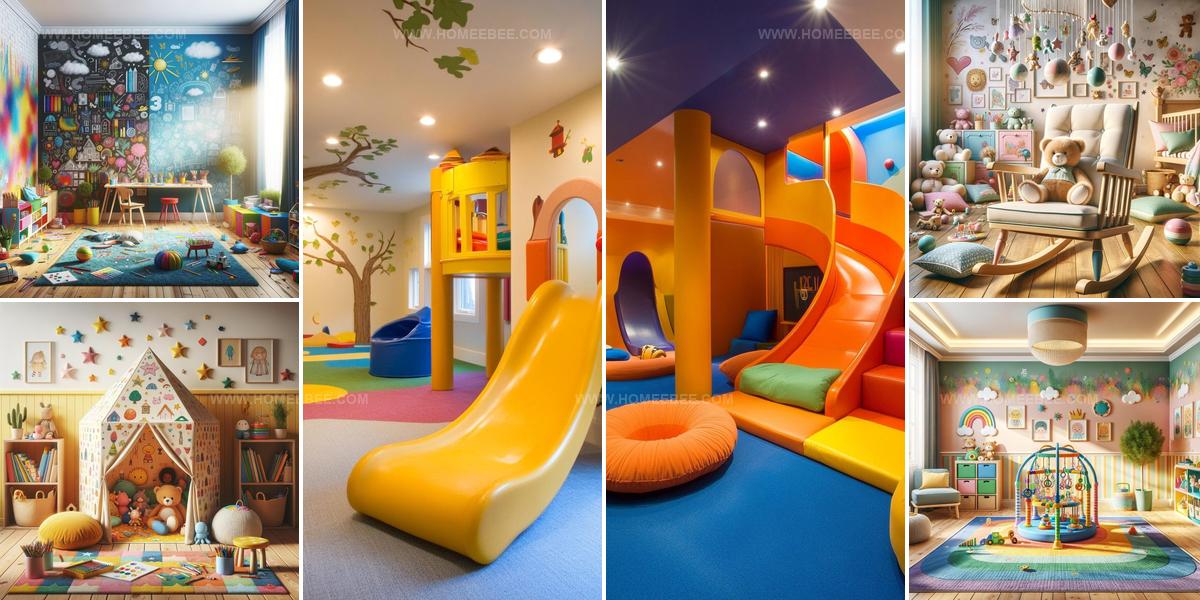
16 Creative Space Where Children Imagine and Grow

A kids play room transforms any ordinary space into a magical zone where imagination runs wild and children can truly be themselves.
Parents everywhere understand the challenge of keeping toys organized while maintaining an environment that sparks creativity and active movement.
The right setup makes all the difference between chaotic clutter and a functional area that encourages independent play and learning.
Whether you have a dedicated room or just a corner to work with, designing a space that grows with children requires thoughtful planning and smart choices.
Color schemes, storage solutions, and activity zones all contribute to making the area both practical and fun.
Small adjustments can turn even the tiniest space into a haven where kids feel excited to spend time.
Read on to find inspiration that will help you design a play space perfectly suited to the needs and interests of the children in life.
Toy Bistro Zone Playset For Pretend Cooking
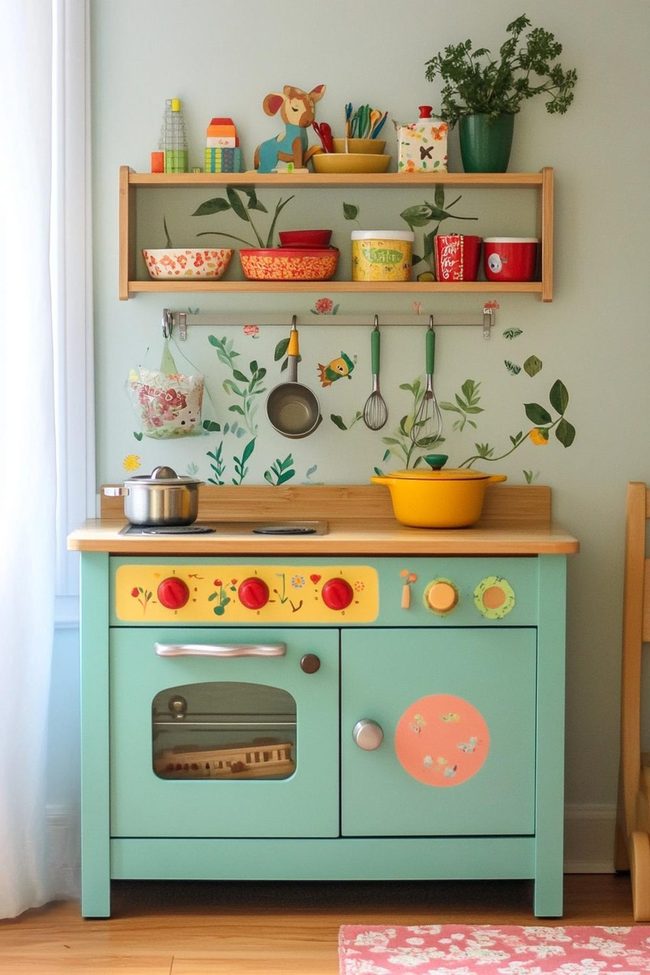
Children naturally want to copy what grown-ups do, and a mini kitchen or grocery store setup opens up endless possibilities for make-believe adventures.
You can purchase a ready-made play kitchen or build one yourself using a small table and some simple DIY touches, then stock it with toy pots, pans, utensils, and pretend food items.
Wall space becomes useful when you add small shelves to hold the "groceries" or hang hooks where utensils can dangle within reach.
Baskets and bins work great for organizing fruits, veggies, and other food pieces so kids can keep things tidy during play.
Don't skip fun accessories like a toy microwave, toaster, or cash register to make the experience feel more like a real grocery store, and a small chalkboard lets your kids write out menus or shopping lists.
Setting up pretend dinner parties or running their own "restaurant" keeps them engaged for hours.
Beyond the obvious fun, this kind of play actually builds social skills, boosts creativity, and introduces early math concepts as children price items and count out change during transactions.
Wooden Playhouse For Two Kids
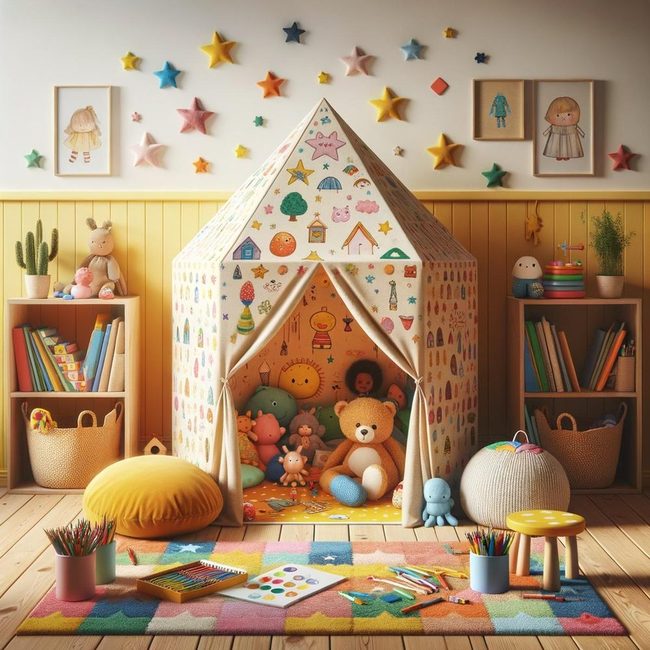
In all child-sized playhouse or pop-up tent serves as an enclosed retreat where kids can engage in dramatic play both indoors and out, and wood or sturdy plastic models tend to withstand weather better than flimsy alternatives.
Tents offer that fort-like coziness many children crave, especially compact pop-up designs that kids can assemble and dismantle on their own without adult help.
Stock your playhouse with play kitchen supplies, dress-up clothes, stuffed animals, or a dollhouse to spark imaginative adventures, and drape string lights, lanterns, or solar lamps inside for nighttime campouts that feel special.
Rugs, pillows, and books scattered around make the space comfortable for hours of play, while open playhouses work beautifully as reading nooks on rainy days.
Hang curtains or position plants around tents to form a private stage for puppet shows and storytelling sessions that let kids perform for their own entertainment.
For year-round exterior use, seek all-weather plastic playhouses that stand up to rain, intense sun, and snow without falling apart.
These structures become spaces where children naturally develop creativity and confidence through role-play that lets them explore new characters and scenarios at their own pace.
Colorful Open Shelves Toy Organization
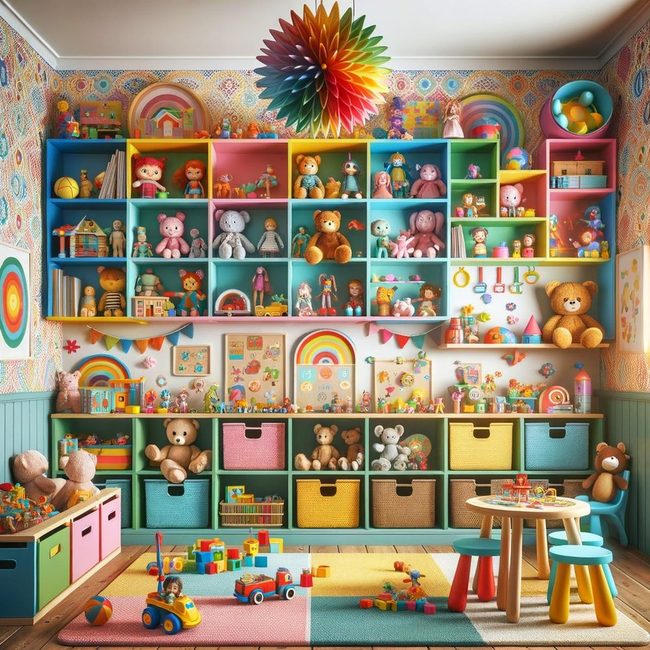
Open shelving or wall-mounted racks on your playroom walls let you display toys while keeping everything organized by type, color, or age range, and decorative rattan baskets and wicker bins add visual warmth as they hold smaller items in place.
You will want to label in all basket or bin clearly so children can find what they need and put things back without fussing, and adjusting shelf heights as your kids grow from toddlers to older kids makes the system work better for them.
Vertical toy ladders or multi-level wall shelves maximize your storage without eating up floor space, which matters in smaller rooms.
Rotating toys between shelves and play areas every few weeks keeps kids interested and stops boredom from setting in.
When toys are easy to rin all and kids know exactly where everything goes, cleanup becomes simpler and independent play happens more naturally.
Open shelving turns the playroom collection into both a storage solution and part of the room's look, so your space stays tidy while still feeling lived-in and fun.
Interactive Black Board Wall For Kids
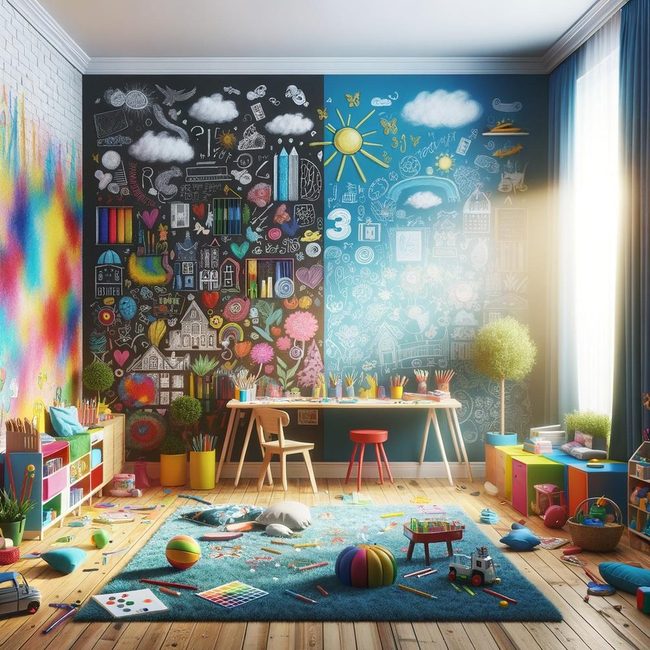
Mount a large chalkboard or dry erase board at kid height on your wall, and you can instantly have an interactive surface that sparks creativity and learning in one bold move.
Stock the ledge below with colorful chalk, erasable markers, and erasers so your kids can draw, write, erase, and start fresh whenever they want.
Dry erase boards work better if you're worried about chalk dust or stains on lighter walls, while chalk offers that more tactile, messy fun younger children often love.
Add a small shelf nearby to display letters, numbers, and shapes as reference guides during drawing practice sessions.
Kids can use this space to leave playful notes for siblings or parents, so consider framing message board sections for that purpose.
Every time you erase sections, you give them a blank canvas to fill again, and this cycle keeps them engaged while building early writing skills, problem-solving abilities, and confidence.
Whether they're scribbling solo or playing together, this writing wall keeps children occupied and learning through colors, drawings, and letters in a way that's easy to refresh and start over whenever you're ready.
Child-Friendly Instruments Wall Display
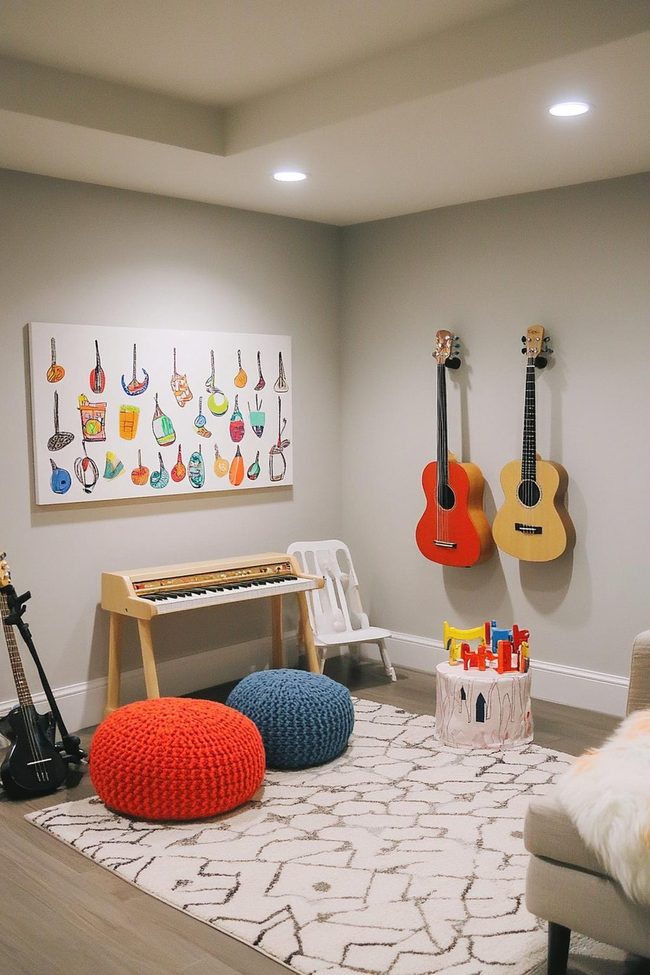
Wall-mounted instruments shape an eye-catching display that doubles as both decoration and functional storage, so consider hanging drums, ukuleles, or smaller percussion pieces to draw attention and make music equipment part of your room's visual design.
Start your music corner with accessible basics like a toy keyboard, small drum, ukulele, tambourine, and maracas that won't strain your budget or take up excessive space.
A Bluetooth speaker lets your kids play their favorite songs and host dance parties whenever the mood strikes, making this area feel like their own entertainment hub.
Keeping instruments on a shelf or in a basket ensures everything stays organized and within reach when inspiration hits.
If you want to add more advanced options, older children can explore a beginner's guitar or small electric keyboard with proper support and guidance.
A small stool or chair positioned near keyboards and guitars makes playing comfortable and encourages regular practice.
For kids who love performing, a karaoke machine or microphone turns the space into a mini concert stage where they can entertain family members.
Building a music corner teaches coordination, rhythm, and creative expression while giving your children a dedicated place to explore sounds and develop their musical interests.
Wooden Rocker For Bonding
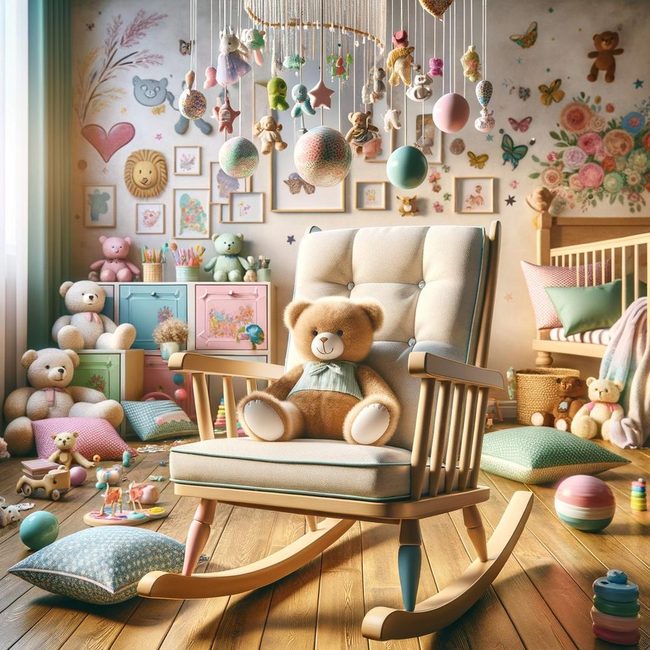
That rocking chair in the playroom offers a wonderfully comfortable spot where you and your child can bond over books and quiet time together.
Kid-sized gliders or upholstered wooden rockers work best, giving you both that warm, nurturing feeling as you curl up with stories and stuffed toys.
Placing bookshelves nearby makes it easy for kids to grab their own books and point out favorites while you rock together.
For older toddlers, a small table beside the chair holds crayons, paper, and building toys so they stay entertained during rocking sessions.
Babies benefit from seeing a mirror close by, which helps them become aware of themselves during playtime.
If your space is limited, look for a compact design that still gives you that comfortable seating without taking up much room.
Gliders work just as well as rockers and fit nicely into reading nooks where children enjoy calming solo play.
This simple chair brings warmth, routine cuddles, and developmental benefits to your child's everyday play and learning.
Colorful Brick Building Station
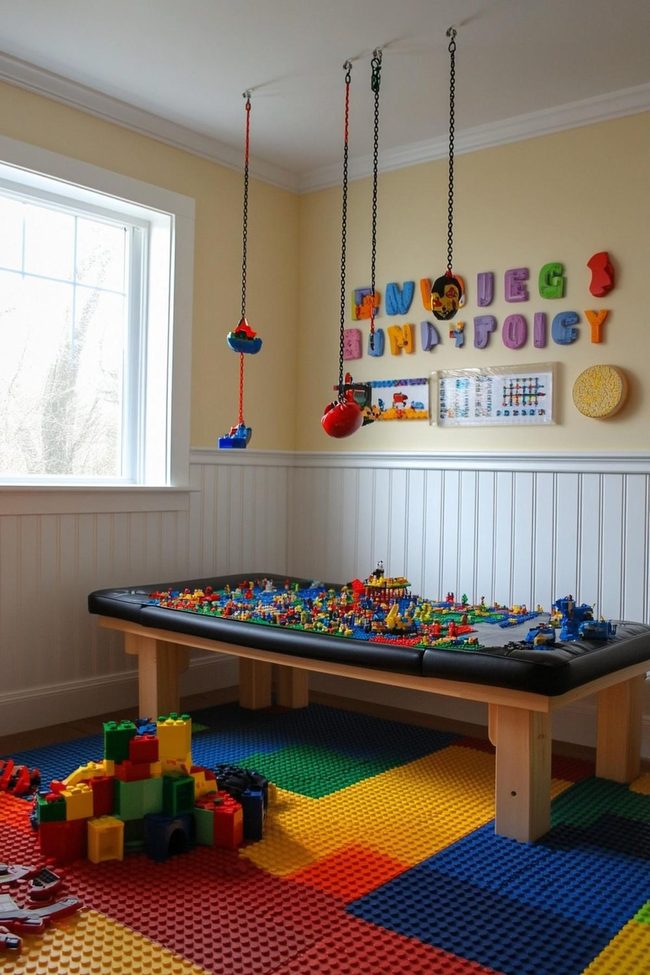
Setting up a dedicated LEGO station starts with a sturdy table positioned at the right height so your kids can build without strain, and covering the surface with baseplates gives them an instant foundation for their projects.
Bins or drawers tucked underneath keep all those tiny pieces sorted by color, size, or type, which saves everyone from the dreaded barefoot LEGO encounter and lets your kids grab exactly what they need in seconds.
Wall space becomes your friend here, install a few shelves nearby to show off finished builds and let your children feel proud of what they've accomplished.
Hanging a LEGO-themed poster or some artwork above the station adds personality and sparks new ideas for what to build next.
Whether kids are constructing spaceships, castles, or entire cities, the structure keeps them engaged in real problem-solving and creative thinking.
Your kids will spend hours building, planning, and discovering new ways to combine pieces together.
This kind of dedicated space pays for itself in both peace of mind and the endless entertainment it provides.
Child-Sized Book Corner With Pillows
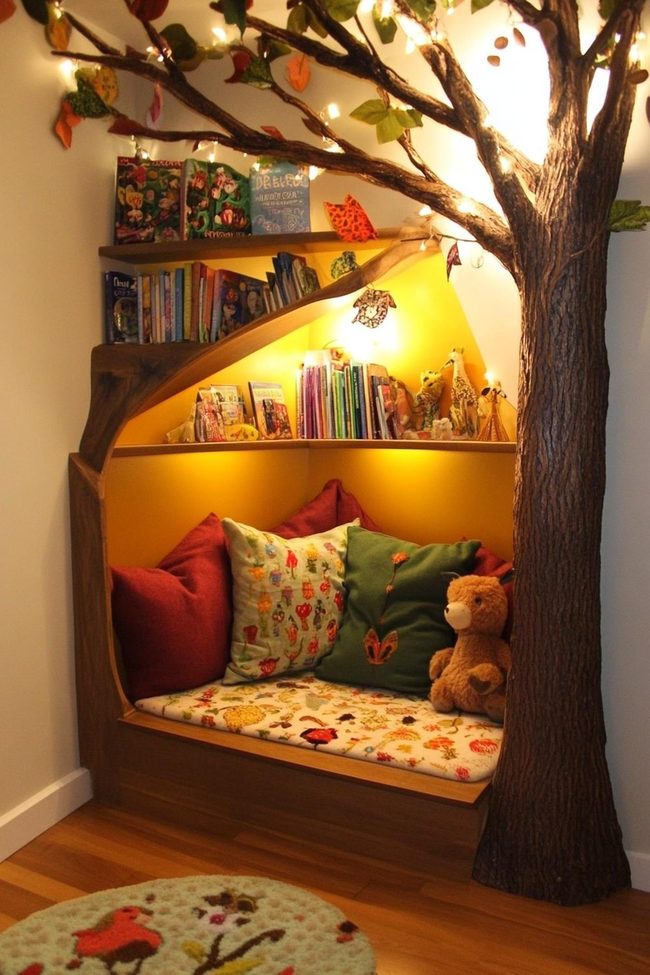
String up fairy lights or place a small lamp low in the corner to cast a warm glow that elevates any reading spot into somewhere special.
Position a small tent, teepee, or cushioned chair stacked with plush pillows in a quiet corner of the room and lay down a gentle rug underneath to boost comfort.
Mount shelves or bins at kid height so books sit right where children can grab them without help and feel proud picking their own stories.
If you have multiple kids, a long bench or couple of bean bags lets everyone stretch out together without squeezing in.
Let your children help design the space by picking posters they love, displaying their artwork, or selecting which blankets and pillows go in.
When kids play a role in decorating, the nook becomes theirs and they're more likely to spend time reading there.
Consider what your family needs most, whether that's a solo hideaway for quiet time or a shared gathering spot.
A reading nook shows your kids that books matter in your home and gives them a real place to settle in with stories.
Fabric-Covered Seating Solutions Trunks
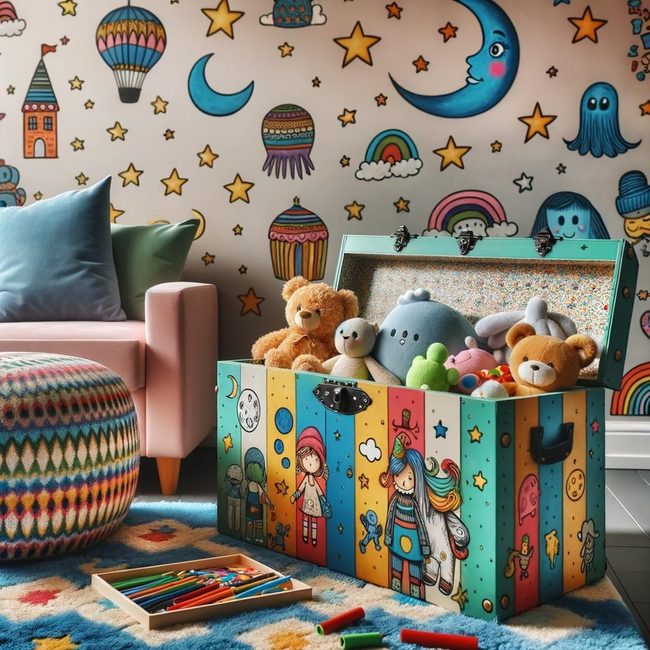
Storage ottomans and trunks transform a playroom by hiding toys while keeping them within easy reach for kids to grab during playtime.
Upholstered ottomans work especially well for larger toys and give children a muted, comfortable place to sit, build, or read when play pauses.
Trunks with removable lids store smaller items neatly and add an antique or decorative touch that matches your room's style, whether you prefer faux jute fabric or natural wood finishes.
Adding wheels or casters underneath makes these pieces mobile so you can roll them between rooms as play shifts from one area to another.
Clear labeling with pictures helps younger children understand where specific toys belong and makes cleanup feel like less of a chore for everyone.
Since these storage pieces also serve as seating, you gain extra floor space that stays uncluttered and ready for activities.
Kids feel encouraged to put things away on their own when toys are stored in accessible spots they can manage independently.
This dual-purpose furniture approach keeps the room looking organized while maintaining the well suited to daily routines function of a true play space.
Overhead Toys Encourage Baby Movement
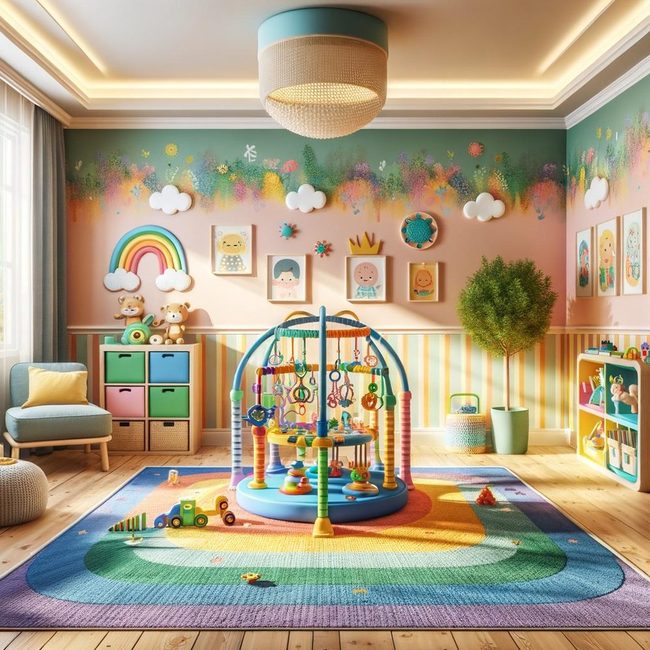
Overhead toys that spin and make sounds while your baby does tummy time will keep them entertained, and many play gyms convert to activity mats as they grow into crawling and walking stages.
Floor gyms with arches suspended above motivate crawling in different directions, while integrated mirrors help babies recognize themselves and build self-awareness during play.
Play mats packed with crinkly paper, textured shapes, and peek-a-boo flaps develop fine motor skills as babies touch and grasp, discovering cause and effect through their own exploration.
Mobiles, stuffed toys, and teether keys attach within reach so your little one can play independently or alongside caregivers without frustration.
Laying mats on carpeted areas gives you the best fall protection and visual pattern stimulation for tummy time sessions.
Supervised play in these enclosed spaces helps babies and toddlers hit important physical, cognitive, and social emotional milestones safely.
Colorful Supplies Kids Shape Together
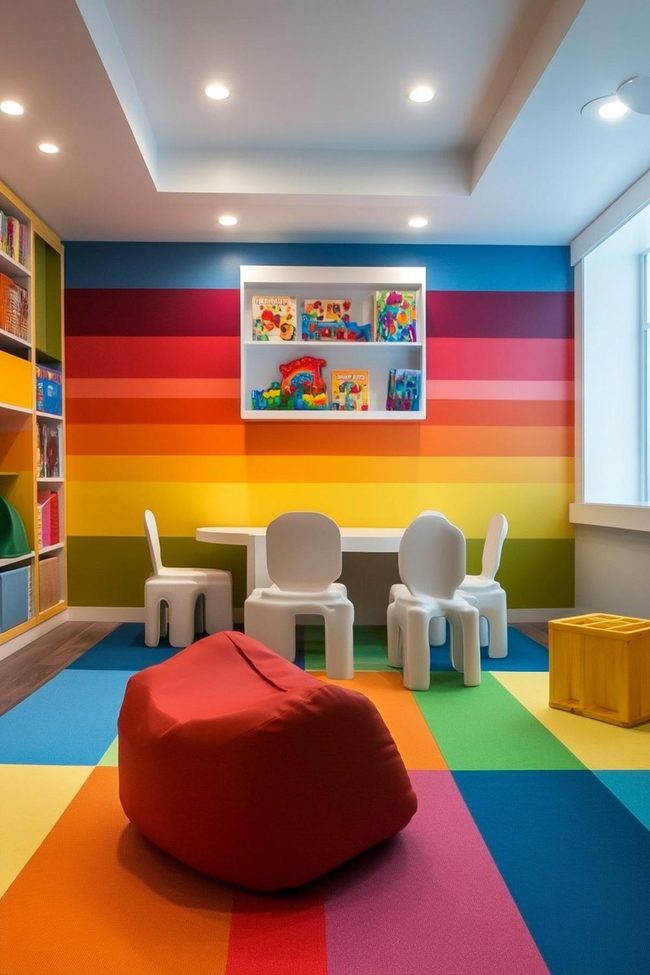
Set up an arts area where kids can dive into markers, crayons, stickers, colored papers, glitter, and glue without worrying about making a mess, and keep the supplies fully stocked so creativity can flow freely.
Rotating materials eachmonth exposes children to new mediums and keeps things fresh, while an easel or flat drawing surface paired with low tables works great for both standing and seated projects.
Store everything in labeled bins, drawers, or wall-mounted shelves organized by type so kids can reachsupplies on their own, and hang examples of their finished artwork or blank canvases nearby as inspiration for what they might make next.
Protect clothes with smocks or aprons, and cover work surfaces with disposable tablecloths or craft mats for easy cleanup.
Natural light from a nearby window is best for this type of work, though a clip-on lamp helps fill in darker spots.
Consider adding special tools like a kid-sized pottery wheel or sewing machine to help children develop new skills and stay engaged.
An empty bulletin board gives them a place to display works-in-progress and celebrate their efforts.
When you set up a dedicated arts space that's well-stocked and organized, kids get the freedom to explore and make process-oriented masterpieces that really matter to them.
Interlocking Foam Mats For Safety
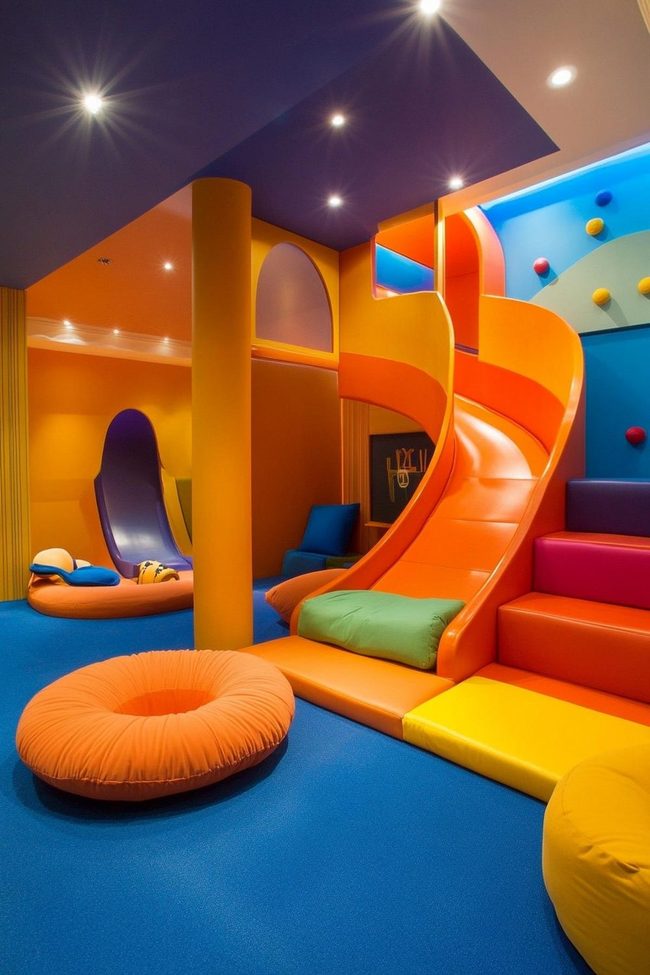
Foam mats and rugs with different textures, prints, and puzzle-piece shapes give your play space visual interest while encouraging kids to explore through touch and learn as they play.
Interlocking foam mats or plush area rugs transform hard floors into lightweight, comfortable surfaces that keep children safe during active movement and play.
You will want to choose washable, non-toxic materials that hold up to spills and messes, making cleanup quick and easy for you.
Placing these mats in high-traffic zones like toy areas, art stations, and dramatic play spaces defines throughout section of the room and shows kids where to play.
For infants and toddlers, covering more of the floor prevents tumbles when they're learning to stand and balance while holding onto furniture.
Removable, portable mats work great for whole-room activities such as yoga, dance parties, or floor games that need extra space.
Cushioned flooring keeps the play area warm and welcoming while also reducing the chance of slips and falls as children move around freely.
Beyond comfort, lightweight flooring encourages kids to move with confidence and express themselves through dance and physical play at any age.
Indoor Rock Wall For Kids
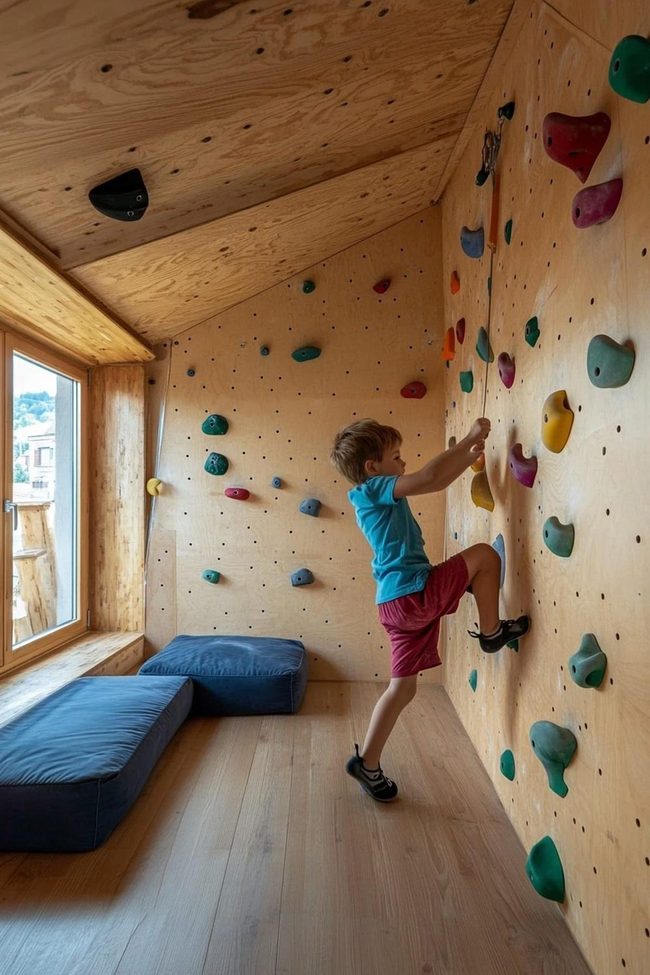
If you have an energetic child at home, a climbing wall makes an exciting addition to any playroom and serves double duty as both entertainment and exercise.
One sturdy wall is all you need for this project, and you can find climbing wall kits online or at hardware stores that come with handholds and anchors ready for installation.
Paint the wall in a bold, fun color or add a mountain or jungle mural to make the space feel adventurous and themed.
Safety comes first, so install a thick crash mat or padded flooring underneath to cushion falls and give you confidence when your kids are playing.
Start with smaller handholds positioned low if your children are younger, then adjust as they grow taller and stronger to keep challenging them.
You can enhance the experience by combining the climbing wall with rope ladders or monkey bars to build a simple obstacle course.
Before you begin, use a solid, weight-bearing wall and follow all installation instructions in a considered manner to ensure everything stays secure.
The structure helps kids burn energy, develop their motor skills, and feel proud of their accomplishments all in one compact space.
Black Chalkboard Wall For Kids
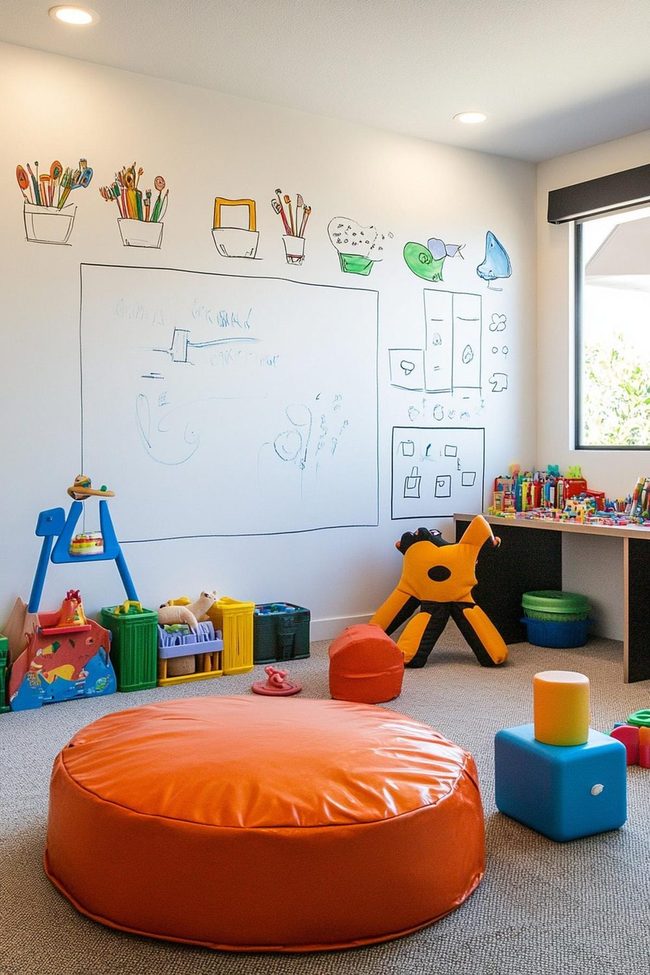
One wall painted with chalkboard or whiteboard paint becomes an instant canvas for your kids to express themselves through drawing, writing, and doodling without making a permanent mess.
Chalkboard paint is straightforward to apply and available at most home improvement stores, while whiteboards paired with colorful dry-erase markers add extra fun and visual appeal.
Keep chalk or markers organized in a nearby basket or shelf so supplies stay accessible and tidy.
Your children can use this space for drawing games, practicing letters and numbers, or staging imaginative scenarios like a pretend restaurant with its own menu.
Beyond creative play, you can also turn the wall into a built for regular use scheduling tool for displaying weekly plans, chore lists, or countdowns to birthdays and holidays.
Let your kids take charge of decorating their own section and choosing themes, whether that means a chalkboard zoo or a whiteboard galaxy filled with stars and planets.
Once they finish their creations, simply wipe everything clean and the wall is ready for the next round of fun.
This solution gives you both the freedom for unlimited creativity and the ease of maintaining a clean space.
Organized Play Zones For Kids
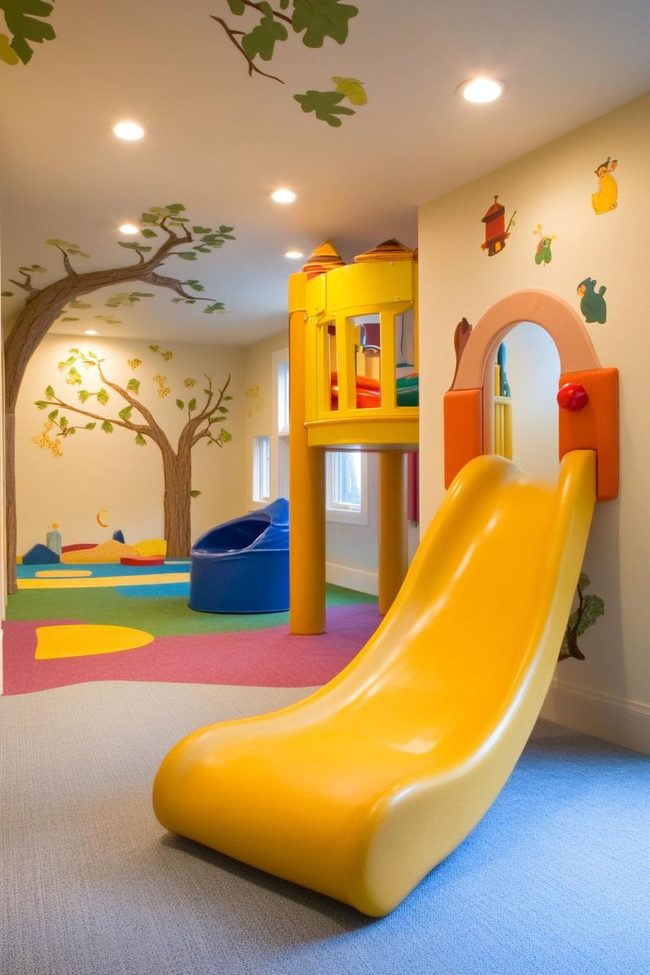
Carving out distinct zones in your child's room makes a huge visual difference and helps kids know exactly where to find what they need while keeping play from spilling into every corner.
You can define these boundaries using floor rugs, room dividers, furniture placement, or even tape outlines on the floor, which gives children clear visual cues about how to use eachspace.
Common areas you might set up include a reading nook, arts and crafts station, imaginative play area, science table, block area, toy storage shelves, and a puzzle or game zone.
Leave some open floor space in the middle for active play like running, dancing, or balance practice, and you can pad this area with foam tiles or a yoga mat for safety.
Consider adding a quiet space away from the busier zones, such as a window seat filled with books and cushions where your kids can retreat when they need calm time.
Rotating which activities and toys live in eachzone keeps things fresh and interesting for your children.
Rotating these setups also prevents boredom and helps your kids stay engaged and independent while reducing arguments over who gets which workspace.
When activity areas are clearly separated like this, you end up with an organized room that encourages learning and creativity through play.
Colorful Costume Station Kids Love
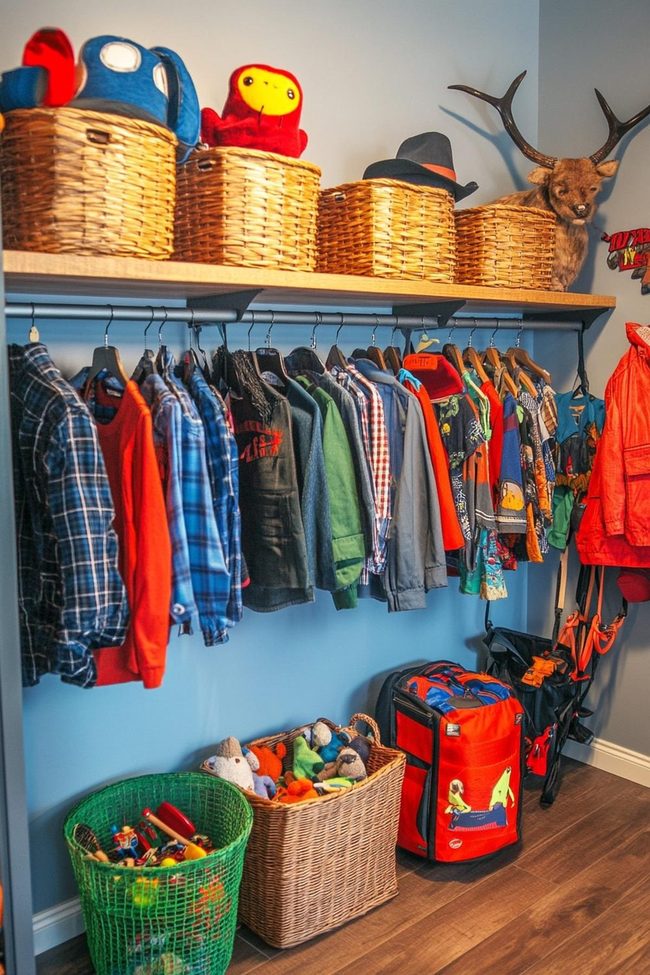
Eachclothing rack filled with costumes, hats, scarves, and accessories becomes an instant gateway to imaginative play that kids naturally gravitate toward.
You can find great items at thrift stores and clearance racks without spending much money, and hanging a mirror at your child's height nearby lets them see their outfits and experiment with different looks.
Organizing costumes by category, princess dresses, superhero capes, animal outfits, makes everything simple to locate, and labeled bins or baskets keep smaller items like crowns, masks, and wands from getting lost.
Adding a small stage or performance area in the playroom gives children a place to show off their outfits and put on shows for family members.
This kind of setup builds confidence and helps kids develop social skills while they play.
When you encourage them to come up with their own stories and characters, you may be surprised at how creative they become with very little direction from you.
Emma Davis
Founder & Chief Home Enthusiast
Expertise
Interior Design and Space Planning, Home Organization and Storage Solutions, DIY Home Improvement Projects, Sustainable and Eco-Friendly Design, Seasonal and Holiday Decor
Education
Texas State University
Texas A&M International University
Emma Davis is the founder and chief home enthusiast at Homee Bee, a platform dedicated to helping homeowners and renters create stylish, functional, and inviting spaces. With a Bachelor of Science in Interior Design from Texas State University and certification as a Residential Interior Designer from Texas A&M International University, Emma blends design expertise with practical solutions to make home decor accessible to everyone.
Through Homee Bee, Emma shares her passion for space planning, home organization, and DIY projects, offering readers expert advice, creative inspiration, and easy-to-follow guides. Her work emphasizes eco-friendly design, budget-friendly decorating, and seasonal styling, ensuring every home feels warm, personal, and well-balanced.