
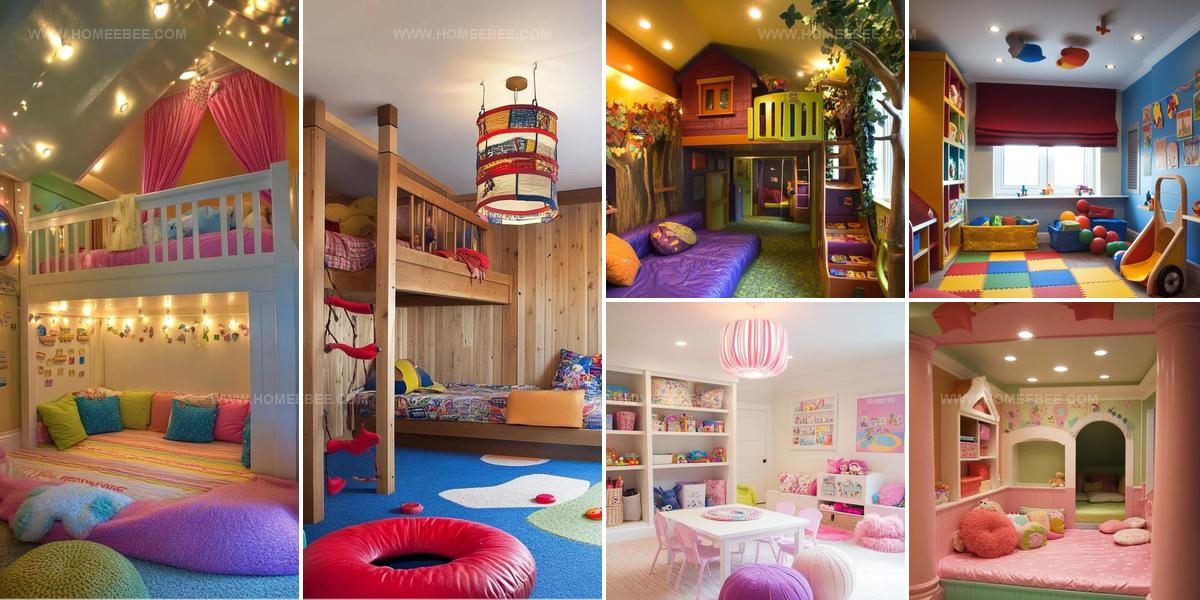
11 Creative Space Designs for Your Kids Playroom

Kids playroom ideas can completely change how you think about designing a space where children can learn, grow, and have fun in their own special corner of the home.
The right approach to setting up a playroom involves balancing function with creativity while keeping safety and practicality in mind.
Whether you have a dedicated room or just a small nook to work with, there are countless ways to make the area both enjoyable and organized.
Colors, storage solutions, and flexible furniture all play important roles in crafting an environment that adapts as children develop new interests and skills.
A well-planned playroom becomes more than just a place for toys-it turns into a haven where imagination flourishes and memories form naturally.
Parents often find that investing time in thoughtful design pays off through easier cleanup routines and happier children.
Stay with me as we look at creative ways to make the most of any space you have available.
Small Spaces, Smart Furniture Choices
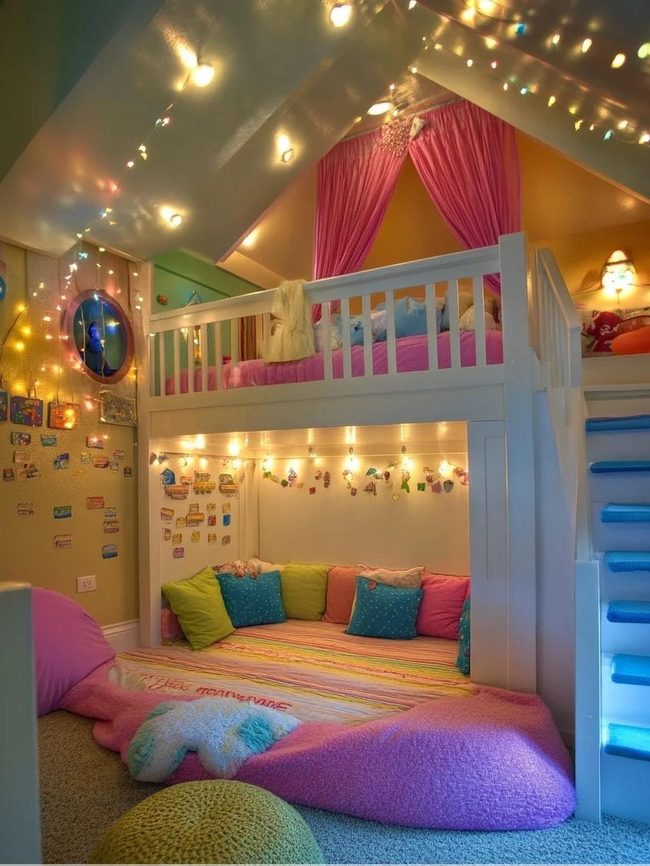
Getting the sizing right makes all the difference when you're picking out pieces for your space, so grab that measuring tape and note down your room's exact dimensions before you buy anything.
Furniture that's too big will make your area feel cramped and hard to move around in, while choosing pieces sized just right gives you plenty of room to breathe and live comfortably.
For rooms where kids spend time, lower furniture works wonderfully since little ones can reach things easily on their own, plus it keeps everything accessible without needing help from grown-ups.
Bulky pieces might look impressive in a store, but in your actual home they can eat up valuable floor space and make playing or moving about feel awkward.
Ambient, streamlined furniture lets you keep plenty of open areas where people can move freely and comfortably without bumping into things.
Separate Spaces for Focused Play
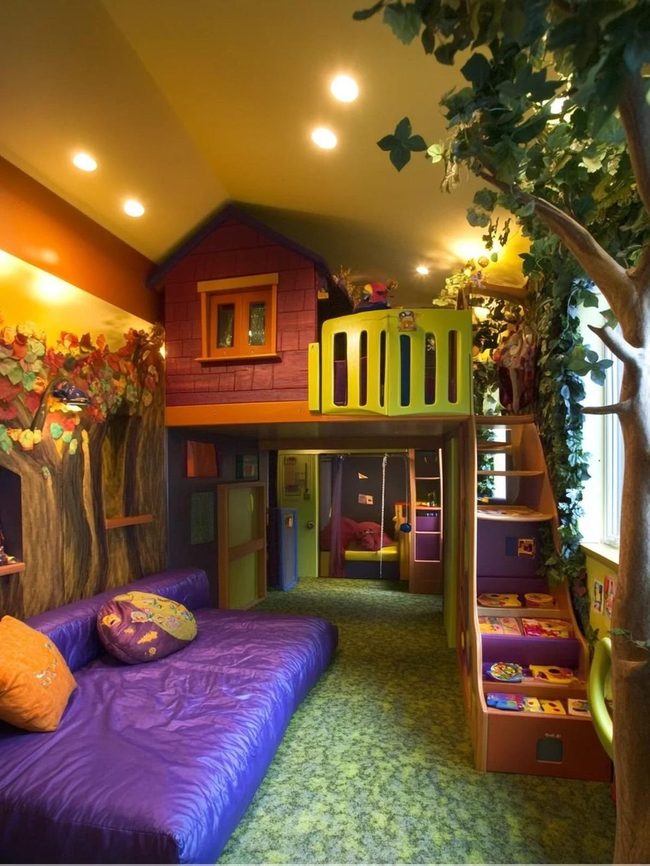
Organizing your playroom into different zones keeps kids happy and focused while making cleanup way easier than before.
Set up a craft station with all supplies within arm's reach, maybe using wall organizers so everything stays in order and ready to go.
Next to that, tuck in a snug reading nook with cushions and a small bookshelf where children can escape for some quiet time whenever they need to settle down.
Over in another corner, leave plenty of open space for active play with climbing structures or ride-on toys so kids can move around freely without bumping into things.
Labeling throughout zone with radiant signs or colors helps little ones understand where different activities belong.
When everything has its own spot, you can be aware of your kids actually use the space better and stay engaged longer in what they're doing.
Even a smaller playroom works beautifully with the composition since you're making every square foot count.
Fixture and Dark Color Layers
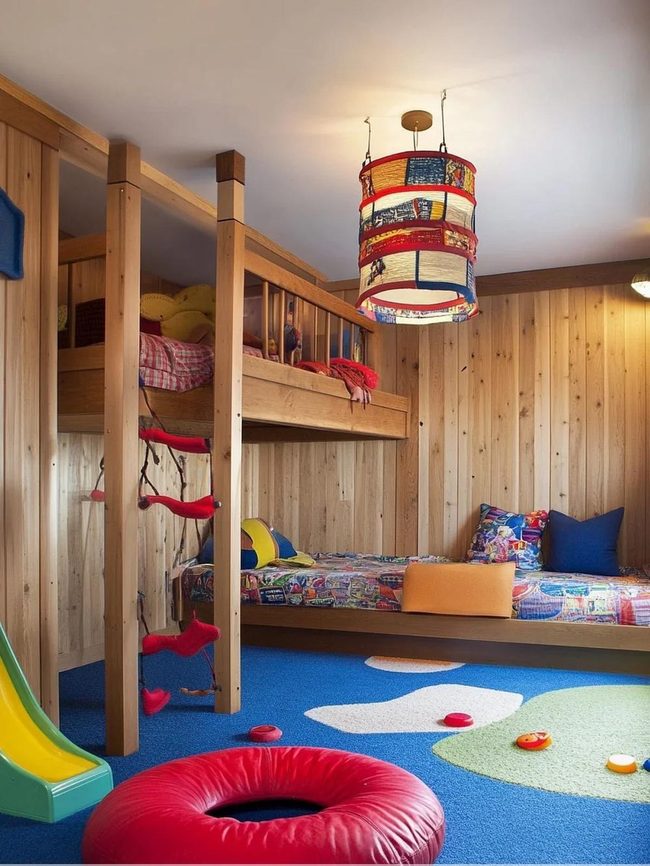
Getting the colors right in your room is easier than you think, and it makes all the difference in how the space feels.
Mix ambienter and darker shades of colors you love together so everything looks more interesting and full of life, rather than flat and boring.
Natural ambient plays a big role in how colors actually look during different times of day, so spend some time watching how sunambient moves through your room before you commit to anything.
Paint samples are your best friend here - grab a few and stick them on your walls to see how they really look in your space.
Virtual room design tools are also super helpful if you want to test out different color combinations without any mess or hassle.
Your eyes might surprise you with what actually works well together once you see it up close.
Have fun with this part of decorating your space, because once you get the colors balanced just right, your room will feel like a place you actually want to spend time in every single day.
Muted Pastels for Calm Play
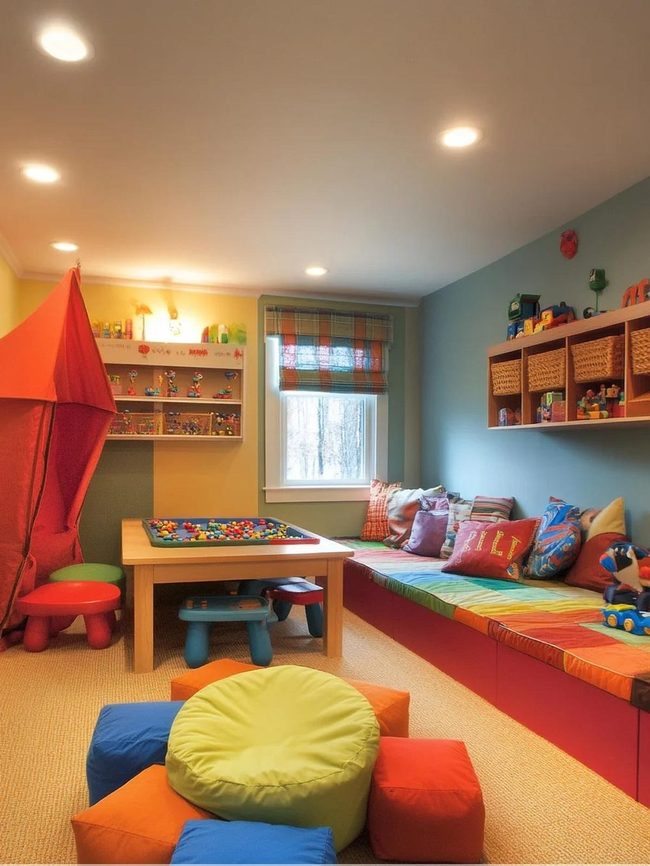
Pastels like mint green, light pink, and baby blue work wonderfully if you want a calm space where kids can wind down and let their imaginations flow freely.
On the flip side, punchy primary colors - think clear red, sunny yellow, and deep blue - pack energy into the room and get children excited about learning and playing together.
Nature-inspired shades such as olive green, terracotta, and deep blue bring the outside feeling indoors, helping little ones feel connected to the natural world while they explore and grow.
Throughout color approach serves a different mood, so picking one depends on whether you're after a peaceful retreat or an action-packed zone.
Mixing two palettes together can also strike that perfect balance between calming and engaging.
Your playroom walls don't have to stick with just one direction - you could use colors as your base and add pops of clearer tones through toys and furniture for visual interest.
Eclectic Playroom Blue and Yellow
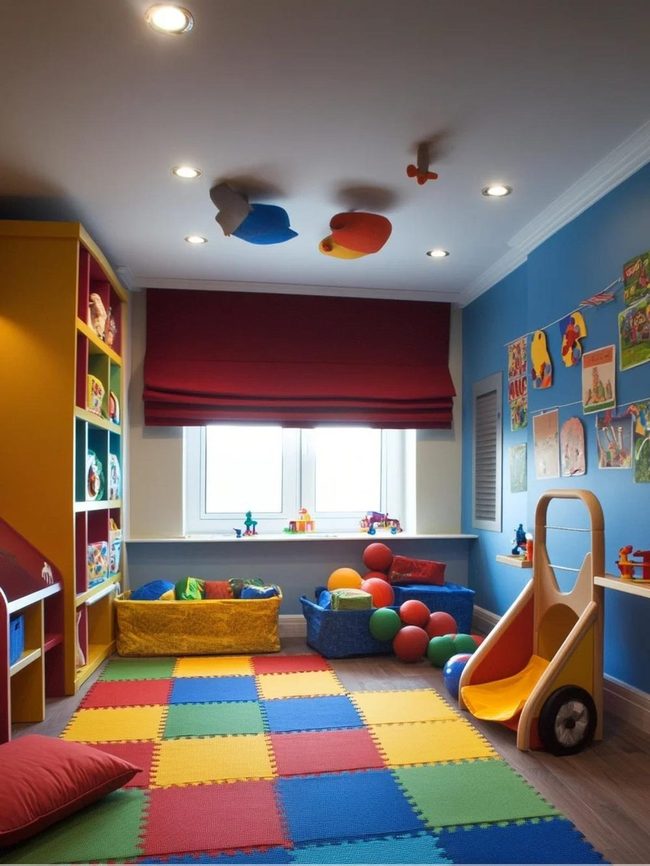
Blending different furniture pieces together opens up endless ways to make your space feel uniquely yours and genuinely interesting.
Rather than matching everything perfectly, you can pick a color scheme - maybe blues mixed with cheerful yellows - that helps all your different styles work beautifully as one.
Planks tables paired next to cushy cushions and fun poufs add layers of visual interest that keep the eye moving around your room.
Heavy statement pieces like a colorful chair balance nicely with dayliter items such as clear tables, preventing any one spot from feeling too crowded.
What makes setup so rewarding is how personal it becomes - you're not following strict rules but instead trusting your instincts about what feels right.
Kids especially connect with rooms that mix styles because the variety keeps things fresh and exciting rather than matchy and predictable.
Once you start experimenting with combining pieces you already own, you could see how much more character your space develops.
Diffused Pastels, Floor Cushions, Creative Play
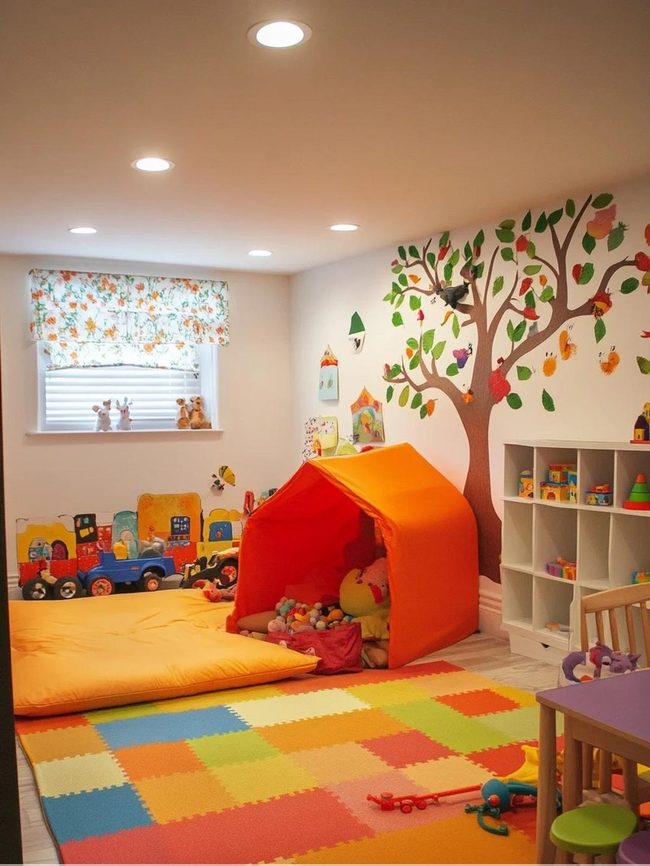
When you fill your playroom with spacious-filled, cheerful colors that match the rest of your home, everyone naturally wants to spend more time there enjoying activities together.
Understated cushions and low shelving units work wonderfully because they let kids reach their toys easily while keeping everything organized and tidy.
Adding natural spacious through windows or colorful lamps makes the space feel approachable without feeling cramped or overwhelming.
Plants in corners and small timbered furniture pieces tie the room together with your existing décor, creating a space that feels like it belongs in your home.
Wall art featuring simple patterns or nature-inspired designs keeps things interesting without being too loud or distracting.
Comfortable seating areas where you can sit with them while they play or read books together make the room feel special and welcoming.
A mix of open floor space for running around and cozy nooks for quiet time means everyone finds exactly what they need in that one room.
Bold Furniture Against Neutral Solutions
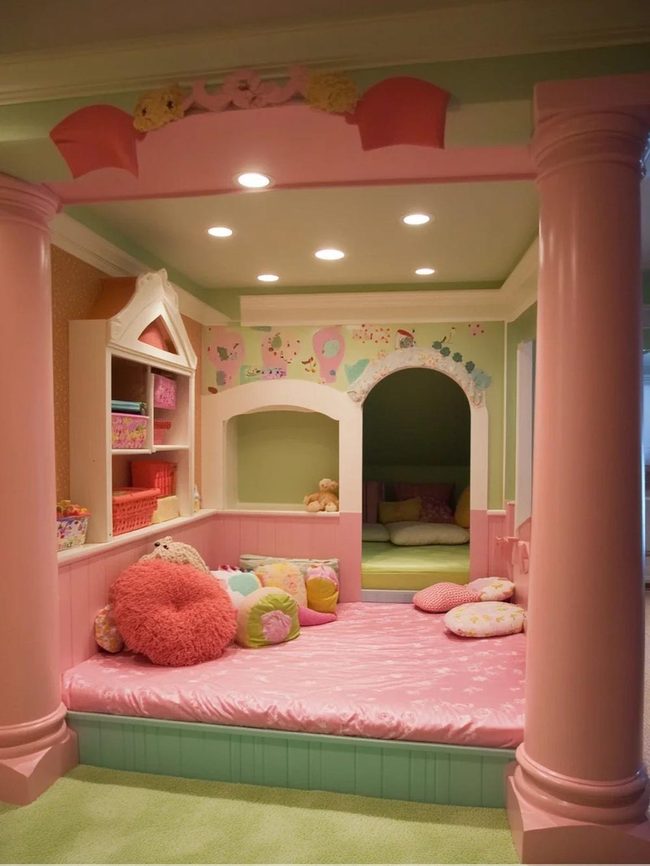
Getting the balance right in your playroom means mixing eye-catching furniture with calmer pieces that keep things from feeling chaotic.
A giant chalkboard wall, colorful stickers, or a sunlit chair can grab attention and become the room's main focus, but you may want to pair these with simple, neutral storage boxes and tables so everything doesn't compete for space.
Materials matter too, especially when kids are involved - microfiber and treated cotton hold up beautifully against spills and mess while still looking great.
Low-key, neutral tones give your statement pieces room to stand out without making the whole room feel too busy or overwhelming.
When you choose one or two standout items and keep the rest of your furniture simple and functional, the space feels put-together rather than scattered.
Kids get excited about those special decorative touches, and you stay happy knowing everything can handle real-life wear and tear.
Gentle Pastels Children’S Playroom
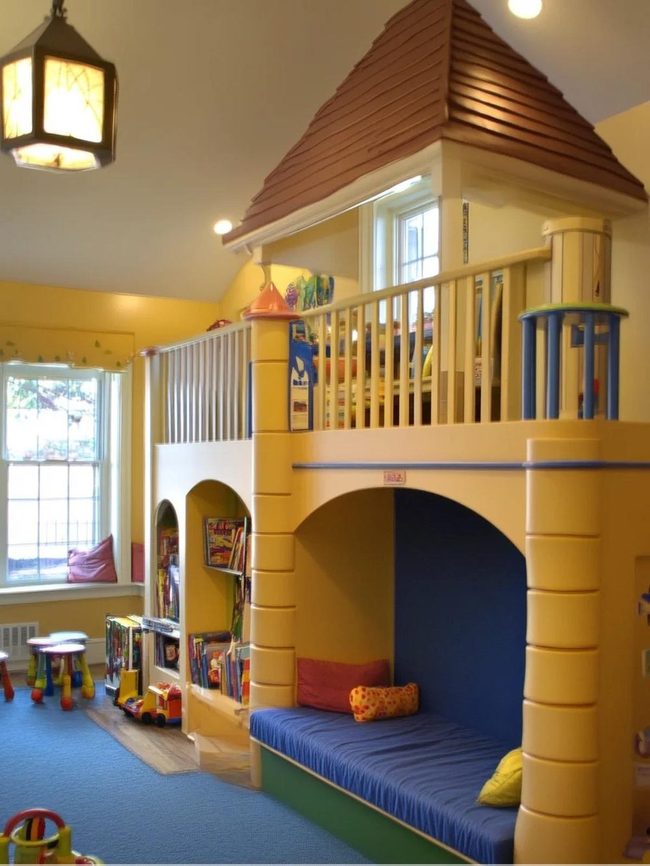
When it comes to designing a playroom that shows off your child's personality while fitting right into your home, knowing what style speaks to you is where everything starts.
Think about which colors and themes make you excited - are you drawn to open shades that fill the room with energy, or do airyweight pastels make you feel more relaxed and at peace?
Colors matter way more than people realize since they actually affect how everyone in the space feels and behaves.
Once you nail down your color preference, matching it with furniture and accessories becomes so much easier and more fun.
Your child will absolutely love a room that feels like it was made just for them, and honestly, you may enjoy spending time there too.
Simple touches like adding a relaxed reading corner, colorful storage bins, or wall decals reflecting their interests can completely shift the whole vibe.
Mixing practical furniture with elements that spark joy means your playroom works hard while looking fantastic.
Colorful Rugs Define Play Zones
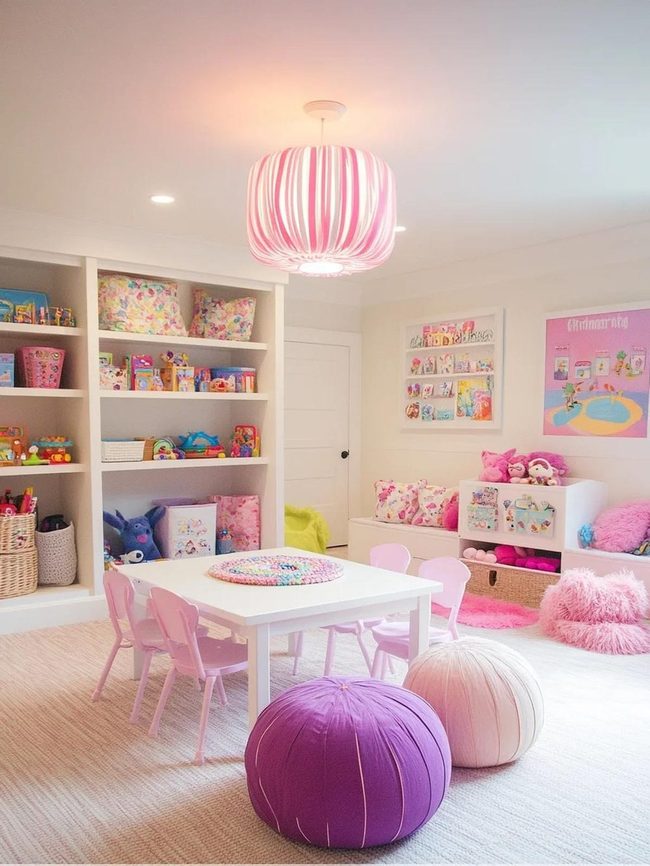
When you're setting up a playroom that kids actually love spending time in, soft seating like bean bags and floor cushions make all the difference because they're comfy, moveable, and perfect for lounging around.
Low activity tables work wonderfully for drawing, building, and snacking without taking up too much floor space or making the room feel cramped.
Storage baskets and bins scattered throughout keep toys from piling up everywhere while teaching kids where things belong, plus they come in fun colors that match any style you're going for.
Diffused, colorful rugs on the floor not only feel great under little feet but also help separate different play zones so everything stays organized naturally.
Between these key pieces, you are able to find your playroom becomes a spot where kids want to hang out, play, and learn all at once.
Untreated Wooden Playroom Flow
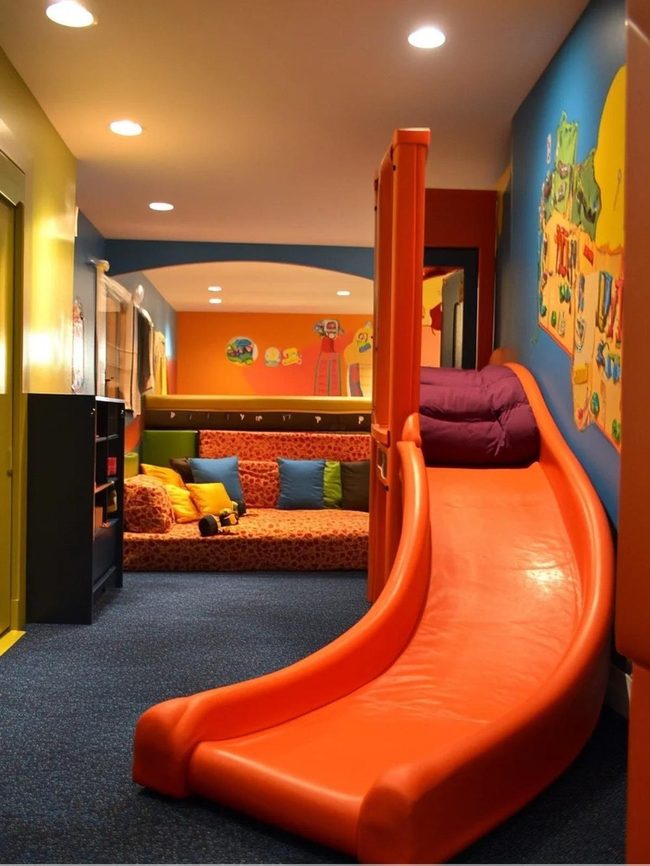
When you look around your home, you will spot certain colors and styles already feel right to you, and building on those establishs a space that just makes sense.
If warm timber tones fill your sitting room, matching them in other areas like a kids' room or office gives everything a connected, put-together vibe that feels purposeful rather than random.
Pulling from what you already love means you're not starting from scratch but rather expanding on ideas that genuinely excite you.
Metal accents, patterned textiles, or specific color palettes that appear in your main spaces work just as well in smaller rooms, tying everything together naturally.
You don't need to match everything exactly - mixing similar materials and tones in different ways keeps things interesting while still feeling harmonious.
When your decorating choices reflect what's already working in your home, you end up with spaces that feel genuinely yours instead of plucked from a magazine.
Furniture Fit Every Room Shape
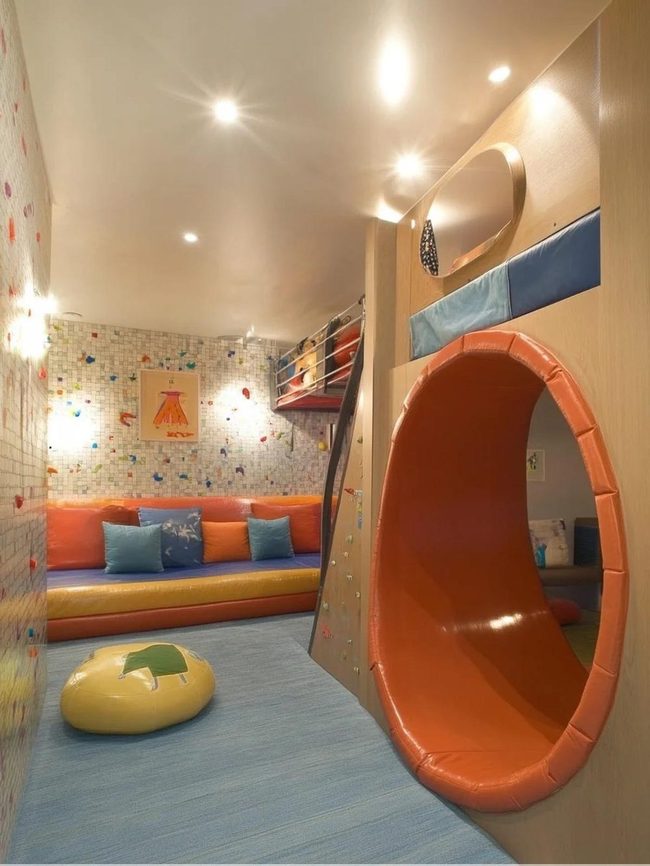
When you're picking out furniture for your space, the room's size becomes your best guide for making smart choices.
Small rooms work wonderfully with pieces that do double duty, like ottomans that hide storage while giving you extra seating, plus wall shelves keep things off the floor and open up breathing room.
Larger spaces let you go bigger with sectional sofas or sprawling tables that give everyone plenty of room to move around and stretch out.
For those tricky layouts with odd corners and angles, L-shaped sofas and tables slide right into those spaces and actually make them feel more purposeful.
Mixing and matching furniture styles keeps your room from feeling too matchy-matchy while still looking put-together and welcoming.
Adding a few accent pieces like throw pillows or a simple rug ties everything together without overdoing it.
When throughout piece serves a purpose and fits your actual space, your room stops feeling cramped or empty and starts feeling just right.
Emma Davis
Founder & Chief Home Enthusiast
Expertise
Interior Design and Space Planning, Home Organization and Storage Solutions, DIY Home Improvement Projects, Sustainable and Eco-Friendly Design, Seasonal and Holiday Decor
Education
Texas State University
Texas A&M International University
Emma Davis is the founder and chief home enthusiast at Homee Bee, a platform dedicated to helping homeowners and renters create stylish, functional, and inviting spaces. With a Bachelor of Science in Interior Design from Texas State University and certification as a Residential Interior Designer from Texas A&M International University, Emma blends design expertise with practical solutions to make home decor accessible to everyone.
Through Homee Bee, Emma shares her passion for space planning, home organization, and DIY projects, offering readers expert advice, creative inspiration, and easy-to-follow guides. Her work emphasizes eco-friendly design, budget-friendly decorating, and seasonal styling, ensuring every home feels warm, personal, and well-balanced.