
20 Creative Space Solutions for Kids Room Ideas

A well-designed kids room ideas collection can turn even the smallest space into a place where imagination thrives and creativity blooms every single day.
Children need environments that grow with them, balancing playfulness with practical storage solutions that actually make sense for busy families.
Whether you live in a cozy apartment or a spacious house, thoughtful design choices help maximize every square foot while keeping the atmosphere fun and inviting.
Color schemes, furniture arrangements, and clever organizational systems all work together to build a bedroom that feels both magical and manageable.
You deserve a space that looks great in photos but also withstands the chaos of daily life, from art projects to impromptu dance parties.
Finding that sweet spot between style and functionality means considering how children actually use their rooms, not just how we wish they would.
The right approach makes bedtime easier, playtime more enjoyable, and cleanup less overwhelming for everyone involved.
Patterned Ceiling Pop Statement
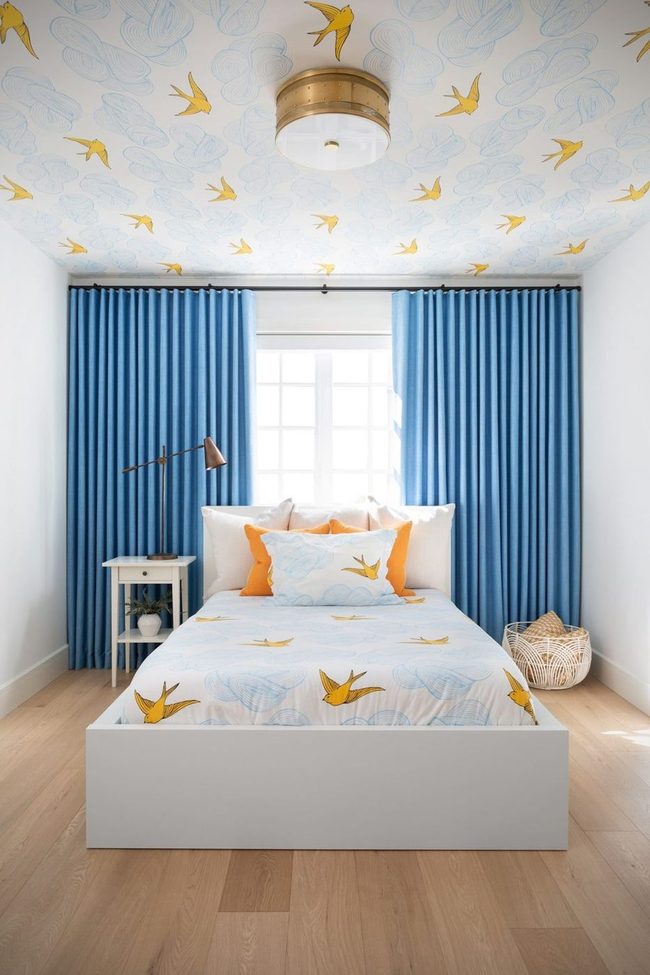
Painting or wallpapering your ceiling with a bold pattern gives your child's room an unexpected pop that standard walls simply can't match, and this approach works especially well if you want pattern without overwhelming the entire space.
Kids love having something interesting to gaze at while lying in bed, and a decorated ceiling becomes part of their daily experience.
One smart way to pull the design together is picking a pattern that also appears on bedding or other textiles in the room, so the ceiling and the rest of your decor feel naturally connected.
You don't need to cover every wall to make a strong visual statement when you focus on just this one surface.
Whether you go with geometric shapes, stripes, or something more playful, a statement ceiling adds personality and fun without requiring a total redesign of the whole room.
It's a practical choice for parents who want impact without the commitment of full wallpaper coverage everywhere.
Adult-Friendly Window Seat Spaces
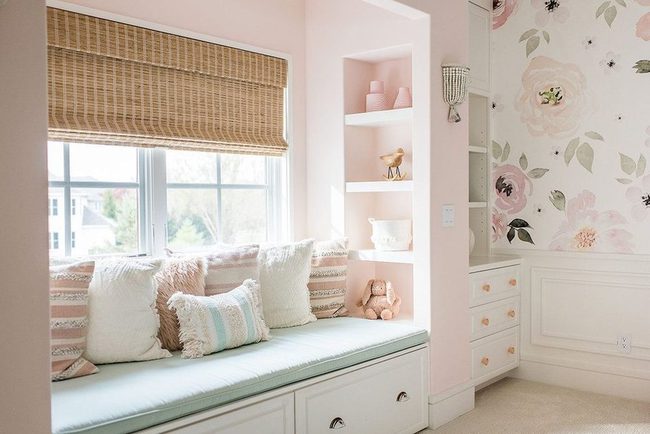
Since you'll probably spend considerable time in your children's rooms playing, reading, or resting while they nap, it makes sense to build in comfort for adults too.
A window seat offers a perfect retreat, or you might place a cushioned armchair in one corner to claim your own spot.
Multi-functional furniture lets the space shift to match whatever you need right now.
You won't find yourself dragging chairs from the dining room or settling onto the floor when you need a proper seat.
Consider adding a small side table where you can set down a book or cup of tea.
Durable Furniture Built Forever
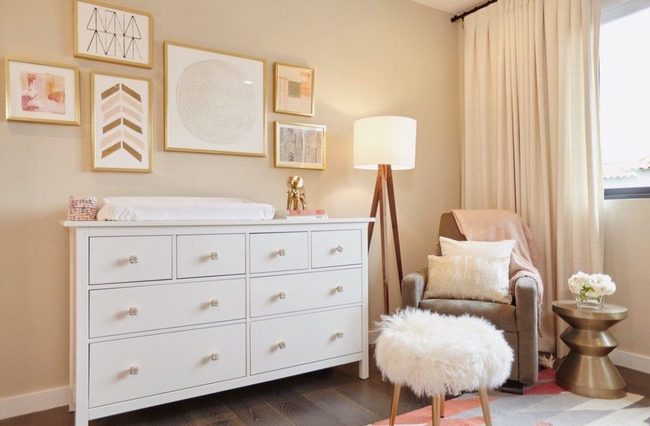
When selecting furniture for your home, think about pieces that serve multiple purposes and last through the years rather than items you'll need to replace soon.
Quality matters more than trendy designs that fade quickly, so invest in furnishings built to handle daily use without falling apart.
A classic dresser works much better than a changing table since your children will grow out of the latter in just a few years while the former stays useful throughout their lives.
Before you buy anything, ask yourself whether it will hold up well and function properly for at least five years ahead.
Pieces with timeless style and solid construction mean you won't waste money on replacements down the road.
You save both cash and storage hassle when your furniture adapts as your family's needs change.
Durable materials and simple designs keep things looking good longer and let you use them in different rooms or ways over time.
Choosing smart means your investment pays off for years to come.
Bright Kids Table Corner
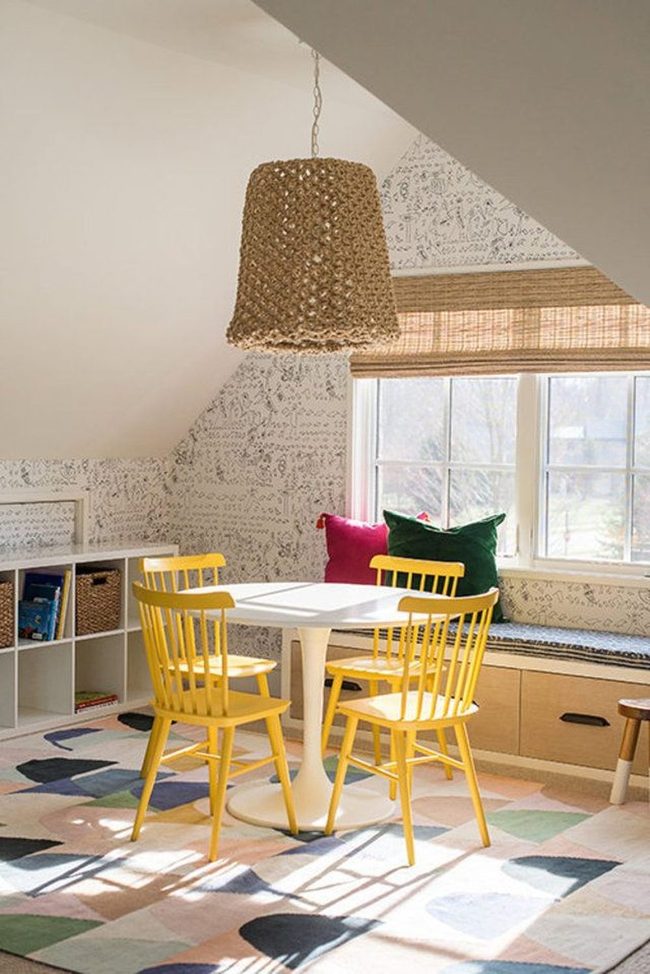
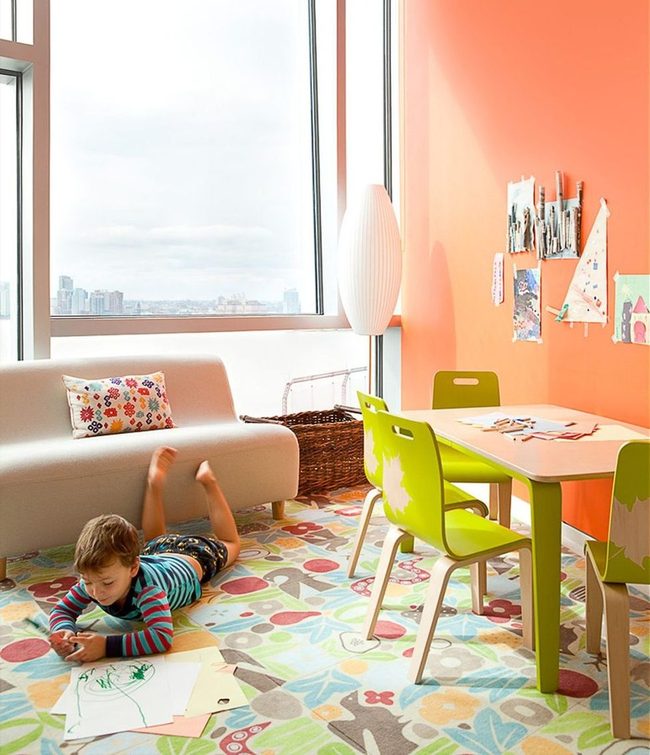
If your space allows room, consider placing a small table with bright chairs in the area so your kids have their own designated spot and you can add a burst of color to the room.
Children can gather there to chat with siblings and friends, play games, color, paint, or enjoy snacks together.
It also serves a practical purpose by keeping toys and mess contained in one place rather than spreading across your main dining table.
Timeless Foundations For Growing Rooms
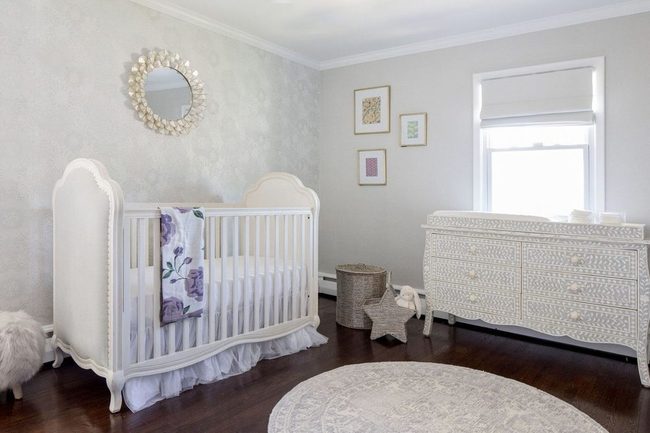
Ceiling fixtures and window treatments form the foundation of a room that lasts, so you'll want to pick pieces that feel right to you year after year without constant updates.
Large furniture items cost a lot to replace, and swapping them out repeatedly becomes impractical once you're managing a household with kids.
Starting with timeless basics means you spend money upfront on quality things that grow alongside your child instead of constantly chasing what's new.
Neutral colors and simple styles for these major elements give you flexibility to refresh the room's mood with smaller, cheaper accessories as tastes change.
You can paint walls, swap out bedding, and update decorative pieces without the expense and hassle of replacing big-ticket items.
Building this solid foundation takes planning, but it saves both money and headaches down the line.
When you focus on classic pieces first, updating a room becomes as simple as adding new layers on top of what already works.
Private Reading Nook For Kids
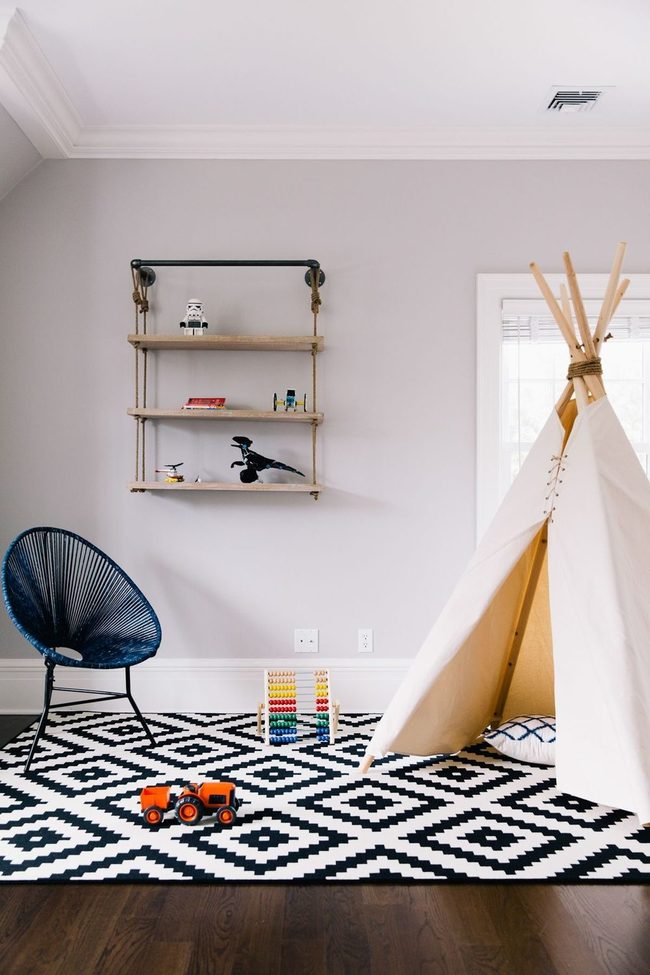
Even as adults, we know that sense of escape a personal hideout brings to kids and grown-ups alike.
Rather than digging through the linen closet whenever your children want a special retreat, consider setting up a permanent corner space they can enjoy whenever they wish.
You have plenty of options here and can either buy a ready-made design or build one yourself, which lets you pick from different shapes and sizes that match your room's layout perfectly.
A sturdy hideout becomes that one spot where kids naturally gravitate for reading, games, or just quiet time away from everything else.
Setting it up as a permanent feature means your children get to use it daily without the hassle of assembly and takedown.
Whether you go the DIY route or purchase something finished, this kind of dedicated space teaches kids that having their own corner matters.
Many families find this simple addition transforms how their kids play and spend their downtime at home.
Geometric Pattern Flow Everywhere
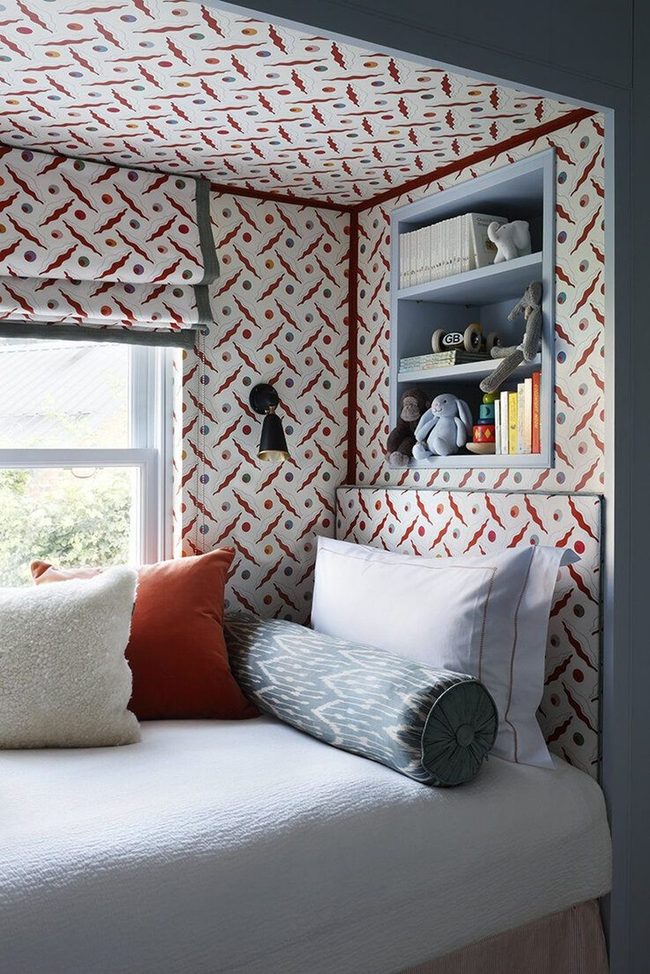
Want to have some real fun with your kids' room design?
Start by choosing a wallpaper pattern that speaks to you, and then push it even further by extending that same design across the headboard and window treatments for a playful, layered look.
Geometric prints work especially well if you're aiming for a modern feel throughout the space.
You don't need to match everything perfectly-letting the pattern flow across different surfaces creates an energetic and eclectic vibe that kids tend to love.
This approach keeps the room from feeling boring or plain, and it shows that you're willing to go beyond the typical one-wall treatment.
Playing with pattern this way gives the whole room personality and makes it feel intentionally designed, not like you just threw things together randomly.
Patterned Layers Neutral Foundation
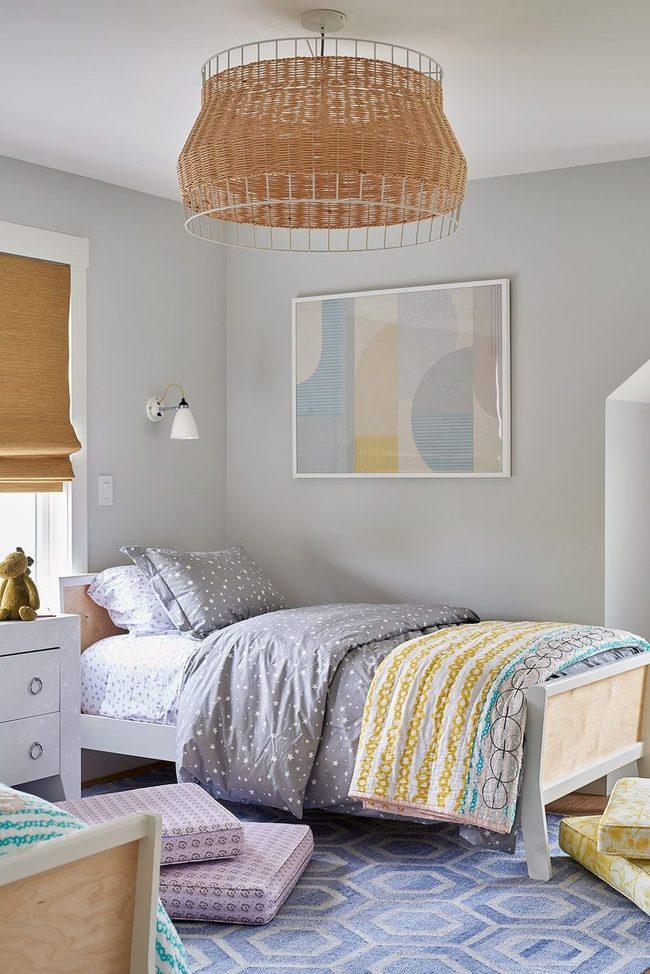
When you're designing a child's room with personality, mixing different patterns can give the space real character and energy.
Start by choosing prints that either stick to small, detailed designs or bold, large shapes-this keeps the mix from feeling random and scattered.
Neutral walls work best as your backdrop, letting all those patterns shine without competing for attention.
Limiting your color palette to just one, two, or three colors across your bedding, rugs, and wall art prevents the room from becoming overwhelming and keeps everything connected visually.
You can have fun layering patterns throughout the space while still maintaining balance through this restrained approach to color.
Playing with prints doesn't mean the room has to feel chaotic; instead, it becomes a space that reflects your child's interests and taste.
Pattern mixing works best when you stay consistent with either scale or color, and you'll find that one of these anchors is usually enough to make the whole room feel put together.
Oversized Headboard Rules Kids Room
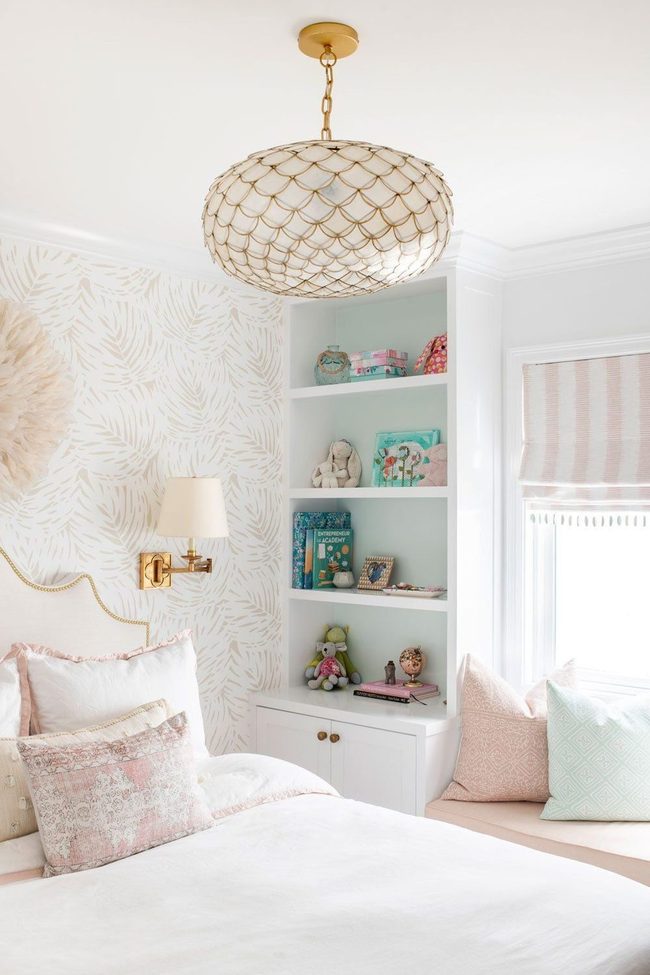
Decorating a child's room offers a chance to add some designer-quality style, and one smart way to do this is by playing with scale in your space.
Pick one element to anchor your design-this could be the bed frame, a hanging light, or a wall piece-and go big with it.
An oversized headboard or large pendant light can command attention and shape how the whole room feels without losing that fun, youthful energy kids' spaces need You don't need to overthink it; sometimes the boldest move is letting one feature take up space and shine.
Big proportions like this make kids feel like they're in something special, and honestly, it's one of the easiest ways to bump up the design value of any young person's bedroom.
Layered Textures On White Foundation
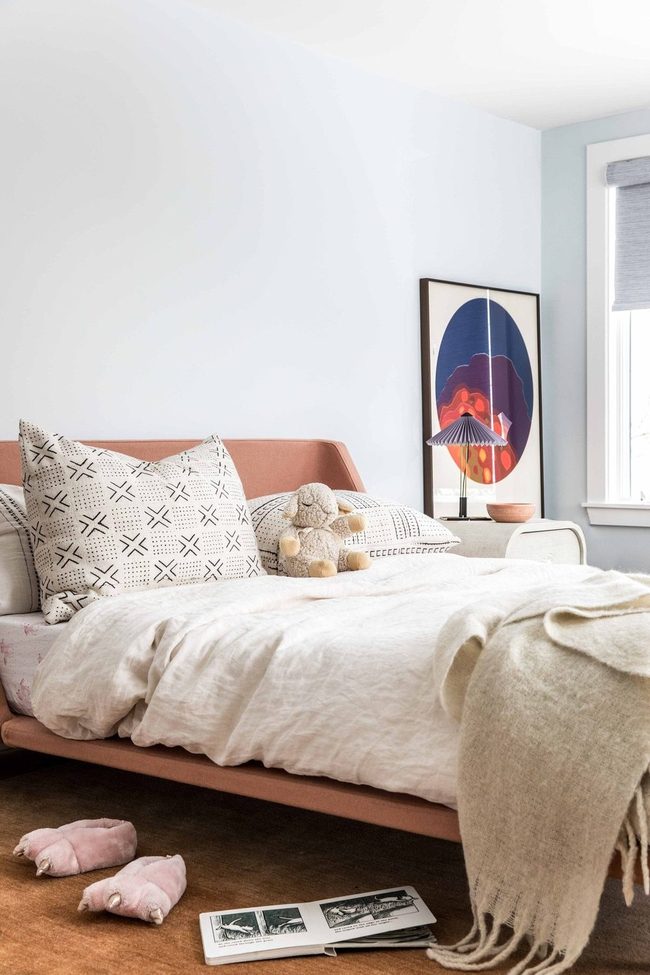
White and cream bedding works wonderfully in kids' rooms because you can wash everything easily and keep it fresh-looking.
Layer your bed with bright colored pillows and throws on top of the neutral base, and this approach gives you plenty of room to switch things up whenever you want.
Mix different fabrics like cotton, linen, and velvet so the white tones don't all blur into one flat surface.
Adding patterned pillows or blankets on top of your solid sheets brings personality to the bed without making cleaning day a headache.
You might use geometric prints, stripes, or colorful designs that match your child's interests.
Since kids' bedding takes a beating, keeping the main pieces white means you can replace just the decorative layers when they get worn out.
Texture matters here, so combining smooth sheets with chunky knit throws or silky pillows keeps the bed from looking boring.
This simple strategy lets you create a bedroom that feels fresh and lively while staying practical for busy families.
Modern Kids Furniture With Designer Accents
Shopping for a kids' room doesn't mean abandoning your own design preferences, and plenty of retailers offer stylish pieces that work well for both you and your children.
Starting with the smaller accents, EO is a Danish brand worth exploring for unusual items that give a room personality and character.
When you need larger pieces like beds, dressers, and desks in contemporary styles, Rafa Kids and Oeuf deliver quality options that fit modern spaces.
Bedding is an area where you can save money without sacrificing choice, so Buy Buy Baby makes sense since they stock a wide range at reasonable prices.
For flooring solutions that look good, Little Nomad has floor mats in various styles to suit your taste.
Wall art, mirrors, and hanging pieces from Fawn Shoppe round out a room with those finishing touches that reflect your family's personality.
Twin Bed Low Profile Essential
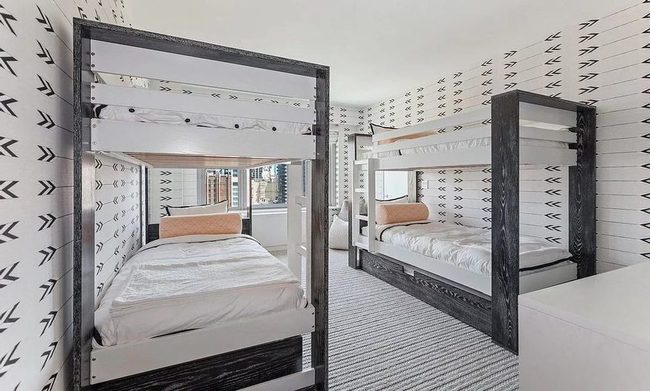
Comfortable bed sized right for your room matters most when furnishing a kids' space, and skipping the toddler bed stage in favor of a twin-sized option works better for most families.
Low-profile beds look modern and keep kids from feeling overwhelmed by height, so you avoid that awkward middle step between crib and adult-sized furniture.
Once you've settled on your bed choice, the remaining furniture and wall colors depend entirely on what suits your family and your child's personality.
Space often gets tight in kids' rooms, so consider placing a tall dresser inside the closet to hide away seasonal items and clothes that don't get worn regularly.
Shutting the closet door keeps clutter from view while your organized clothing stays easy to find whenever you need it.
This hidden storage approach opens up floor space and keeps the room from feeling crowded.
Personal preference and your kids' actual needs guide everything else you add beyond these foundational pieces.
Light Walls, Endless Possibilities
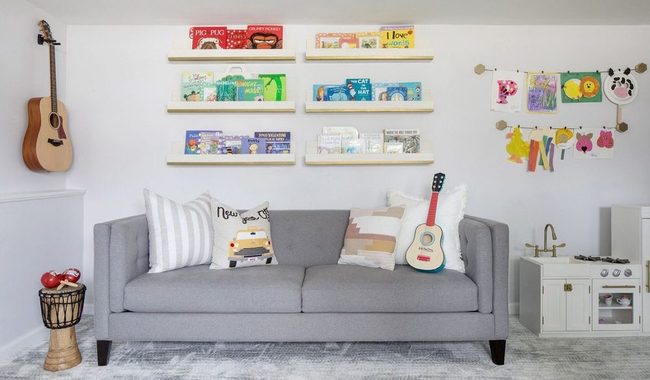
Neutral wall colors give you a smart foundation in a kid's room because toys, books, and artwork naturally fill the space with their own colors and patterns.
Light-colored walls make sense for practical reasons too-they're much easier to touch up when scuffs and marks happen, which they will in a lived-in kid's space.
Keeping your backdrop simple and classic means you can swap out decorations as your child grows without having to repaint everything.
The neutrals stay fresh and calm while the fun stuff gets all the attention.
Books, toys, and art become the real stars when your walls stay understated.
Your child's personality shines through their stuff rather than competing with bold wall colors.
Starting with a neutral base just gives you more flexibility and breathing room in the long run.
Smart Space Planning Before You Buy
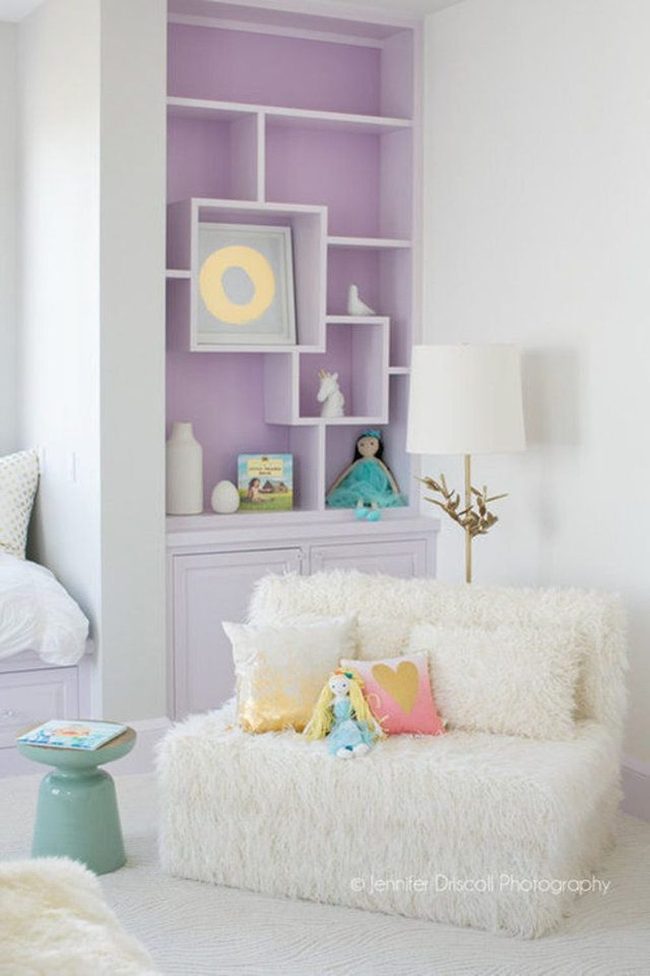
Before you start shopping or moving things around, spend some time thinking through what you already own and what pieces might work in a new way.
Look at your current furniture and decorations to see what fits your vision, then figure out what gaps you need to fill.
Next, sketch out a few different layouts for your space and test them before you commit to any big changes.
Nix recommends leaving plenty of open floor area so kids have room to play and move around freely.
Walk through your possible arrangements and see which one feels right for how you actually use the space.
Getting this part right from the start saves you time and frustration later on.
A good plan means you'll know exactly what to buy and where things should go before you begin.
Bright Study Corner For Focused Learning
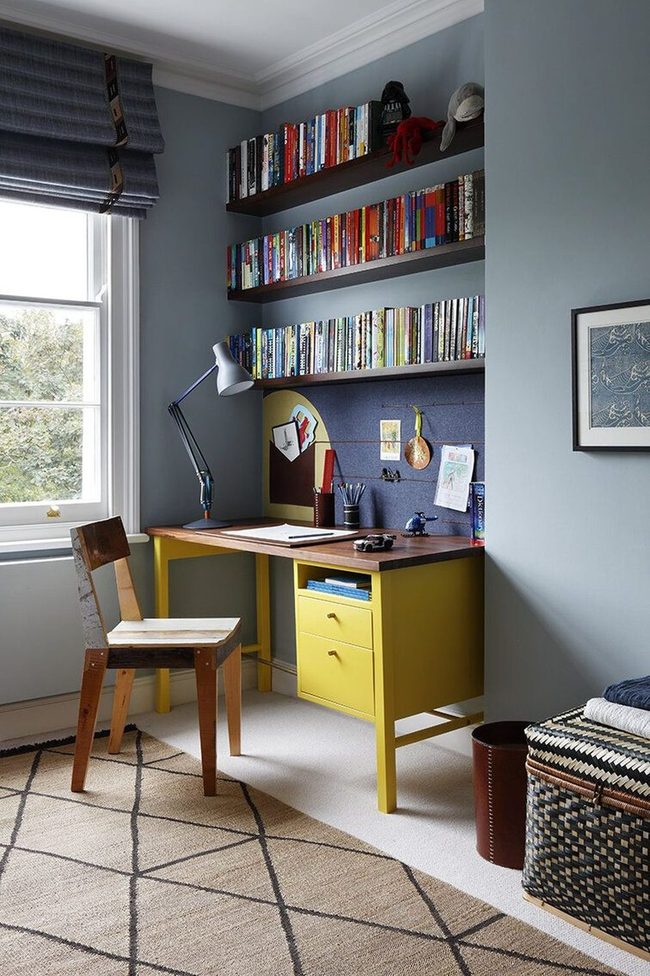
Older kids need a dedicated study space to help them focus on homework, and bright colors can really energize the room and keep things feeling fun and engaging.
I recommend pairing those vibrant hues with soft neutral tones in the background so your child's mind stays calm and clear while they work.
Lighting matters more than most people realize because even a basic task lamp will brighten up the corner and keep your kids feeling awake and ready to tackle their assignments.
You don't need anything fancy or complicated to make the space work well for studying and getting things done.
Child-Height Book Ledges
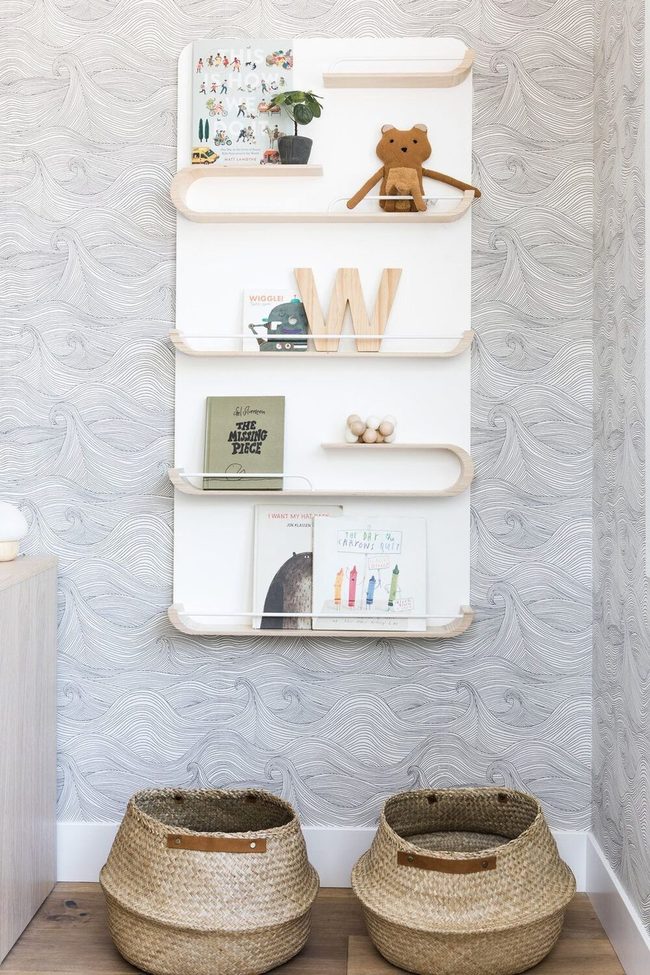
Low shelves paired with a floor pillow nearby instantly become a reading nook where children can settle in with their favorite stories.
When you're deciding on shelf heights, think about what goes where-higher shelves work well for storing precious items you want to keep safe from little hands, while lower shelves hold toys and books that kids need easy access to throughout the day.
This approach saves square footage and lets your child stay organized without constant help from you.
Light Wood Storage Foundation
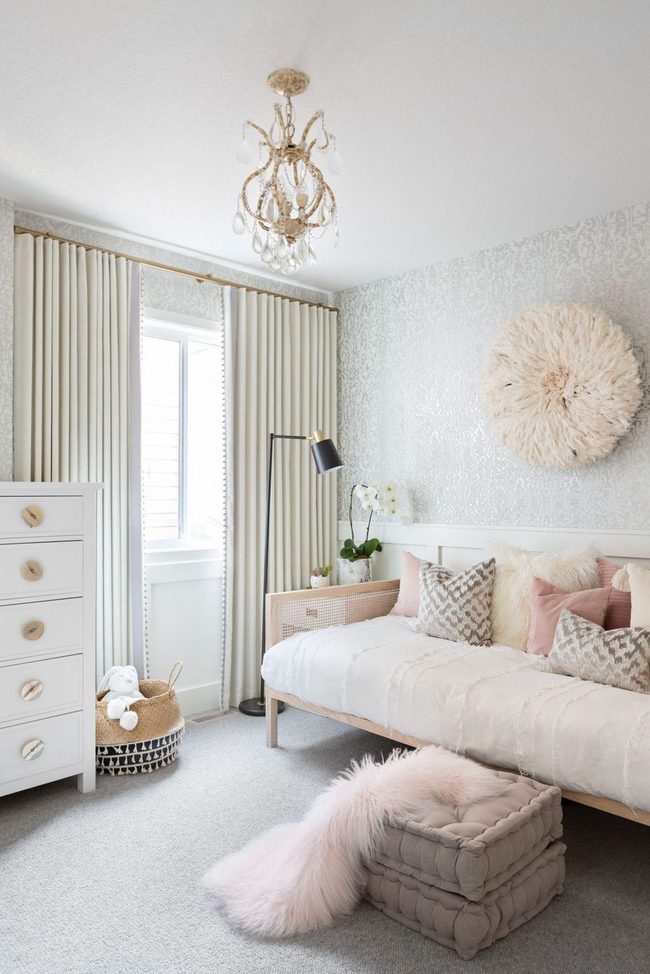
Start your kids' room decoration by picking out a spacious dresser that balances storage needs with room size, and natural wood or light-colored options work best to keep the space feeling open.
You might purchase something brand new, or you could repurpose an adult furniture piece like a mid-century credenza, which offers plenty of room for toys and clothes while adding a grown-up touch to the space.
Storage becomes essential when decorating for children, so having one substantial piece that handles clothing and belongings prevents you from cluttering the room with multiple smaller units.
Nix recommends selecting furniture that doesn't dominate the space even though it holds a lot, so think about scale and proportion when you're shopping.
A repurposed credenza brings personality and character to a kids' room and shows that you don't need to buy items marketed specifically for children to create a functional, stylish space.
When you prioritize quality pieces over trendy kids' furniture, the room grows with your child and adapts to changing tastes.
Light, natural finishes make rooms feel bigger and brighter, which matters when you're working with smaller spaces.
Children’S Room Choices Matter
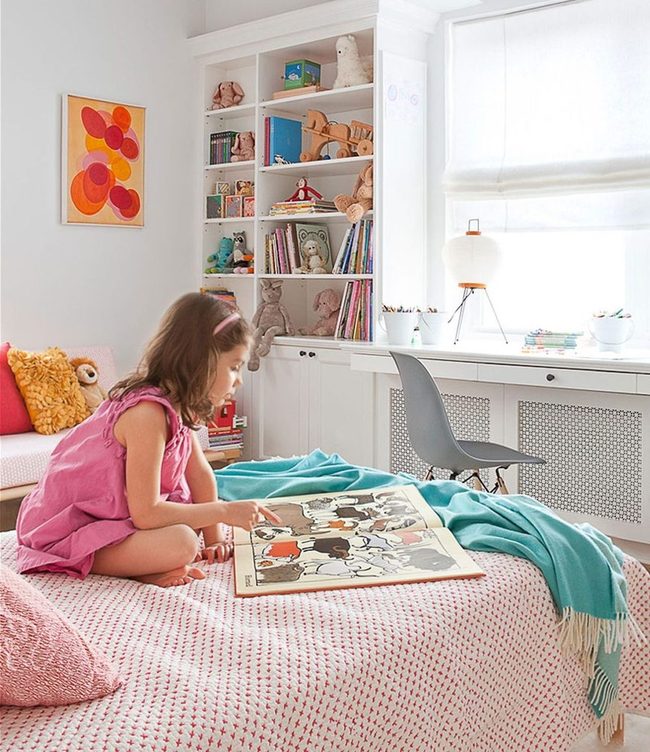
When decorating a kids' room, you and your children can browse interior design blogs, Pinterest, or Instagram together to find ideas that speak to all of you.
I recommend making this search part of the fun rather than deciding everything on your own.
Show your kids the images and styles you discover and ask them what they think about each one.
Their reactions will tell you a lot about what matters to them.
By involving them in this way, you ensure that the room reflects what they actually like and want to spend time in.
Kids feel more connected to a space when they have a say in how it looks.
Working together on the planning stage sets the tone for a room that your whole family will enjoy.
Themed Rooms That Match Home
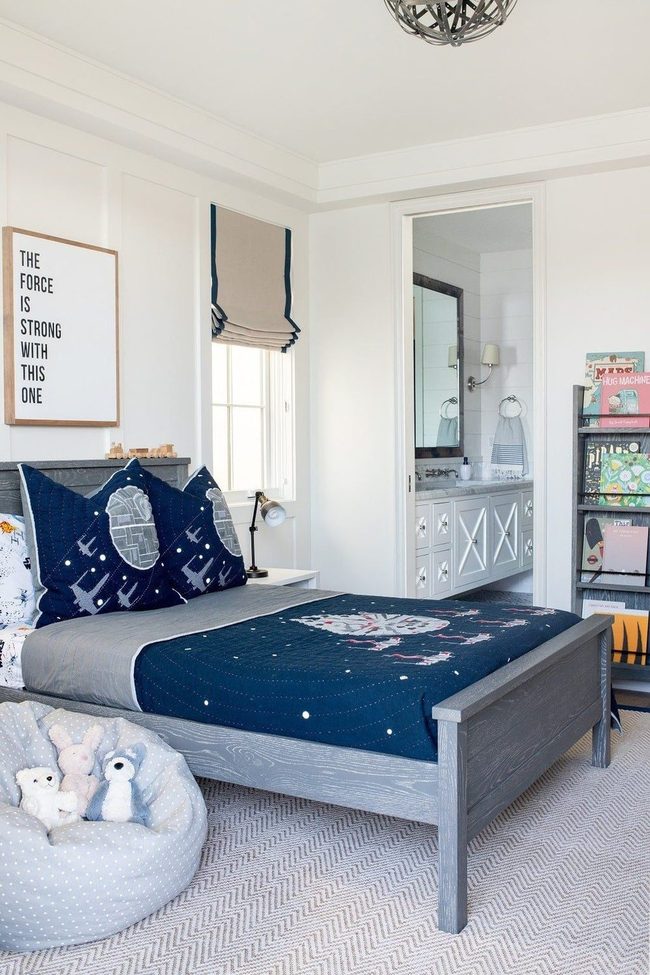
Starting with a strong theme gives your child's room real personality and keeps them excited about their space, which is especially great if they have specific interests to celebrate.
Picking colors that match the rest of your home means the room won't feel like it clashes with your overall design.
Even when a theme wouldn't naturally fit your existing decor, you can make it work by choosing the theme's subject matter in colors that already live in your home.
This way, everything feels purposeful and balanced instead of random or out of place.
Your child gets the excitement of having a room that reflects what they love, and you maintain a design flow that makes sense throughout your house.
Toys As Colorful Room Décor
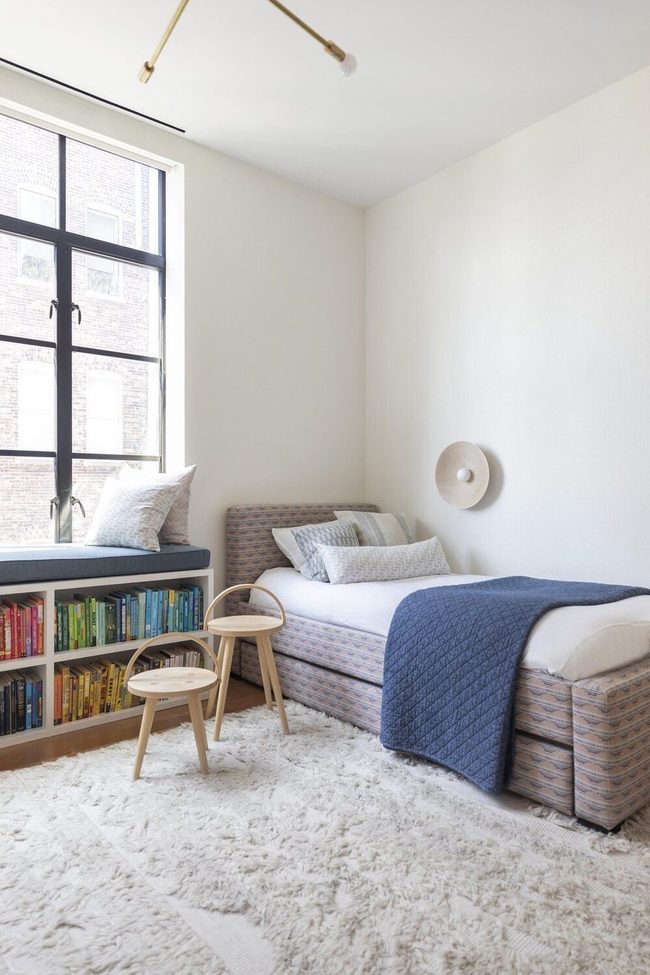
Colorful storage bins and trunks brimming with stuffed animals and bright blocks can turn your child's room into a visually dynamic space where toys double as decoration.
Placing acrylic containers at the foot of the bed or arranging them throughout the room gives you functional storage that also looks appealing to the eye.
A color-coded bookshelf brings playful energy to the walls and keeps books organized in a way kids can understand and maintain.
Since toys naturally feature fun shapes and vibrant colors, you can let them show through transparent storage or display them openly rather than hiding everything away.
Making cleanup feel like part of playtime happens when children see their belongings as room décor instead of clutter that needs to disappear.
Stylish storage solutions work especially well in kids' spaces because they solve the practical problem of managing toys and clothes while adding visual interest at the same time.
You can mix different storage styles-baskets, boxes, bins-to keep things from feeling too matchy or boring.
When storage becomes part of the design rather than an afterthought, your child's room stays organized without sacrificing style.
Emma Davis
Founder & Chief Home Enthusiast
Expertise
Interior Design and Space Planning, Home Organization and Storage Solutions, DIY Home Improvement Projects, Sustainable and Eco-Friendly Design, Seasonal and Holiday Decor
Education
Texas State University
Texas A&M International University
Emma Davis is the founder and chief home enthusiast at Homee Bee, a platform dedicated to helping homeowners and renters create stylish, functional, and inviting spaces. With a Bachelor of Science in Interior Design from Texas State University and certification as a Residential Interior Designer from Texas A&M International University, Emma blends design expertise with practical solutions to make home decor accessible to everyone.
Through Homee Bee, Emma shares her passion for space planning, home organization, and DIY projects, offering readers expert advice, creative inspiration, and easy-to-follow guides. Her work emphasizes eco-friendly design, budget-friendly decorating, and seasonal styling, ensuring every home feels warm, personal, and well-balanced.