
20 Smart Ways to Sort Baby Clothes at Home

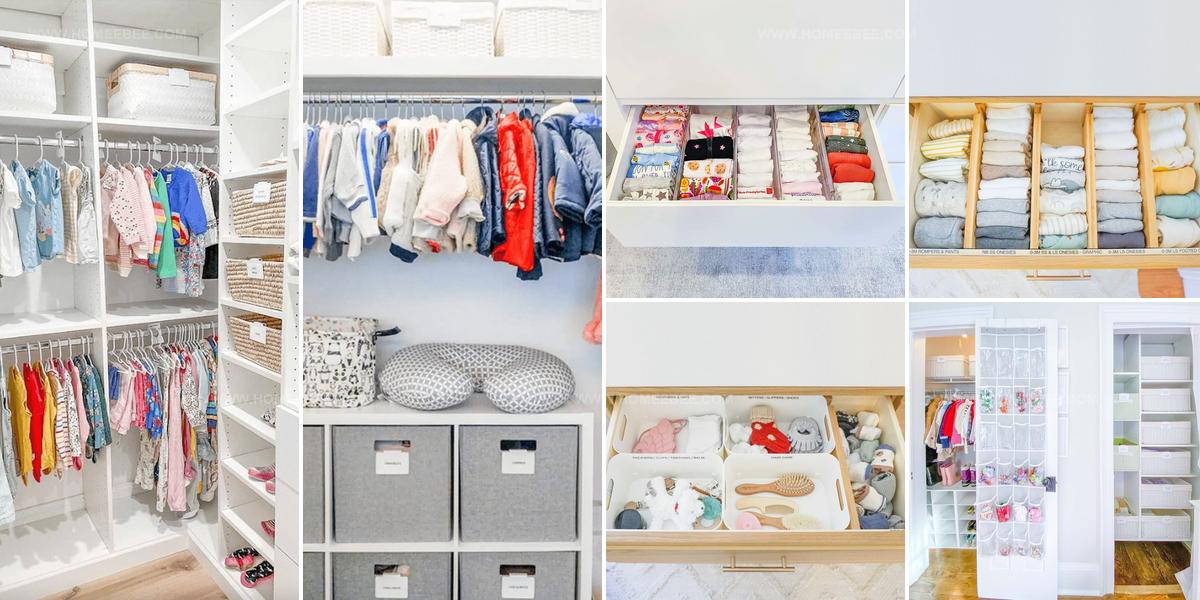
Baby clothes organization ideas can make a real difference when you need to find that perfect outfit quickly during a busy morning or late-night change.
Tiny socks, onesies, and sleepers seem to multiply overnight, and without a thoughtful system, drawers and closets become chaotic in no matter of time.
The good news is that organizing these miniature garments doesn't require expensive solutions or complicated methods.
Simple approaches work beautifully when they match how you actually live and function in the nursery.
Smart storage helps you see what fits right now, what's coming next, and what can be passed along to friends or saved for future siblings.
A well-arranged space saves precious minutes during those moments when calm efficiency matters most.
Finding the right method for keeping everything tidy and accessible will give you more time to focus on what truly counts.
Closet Donation Bin System
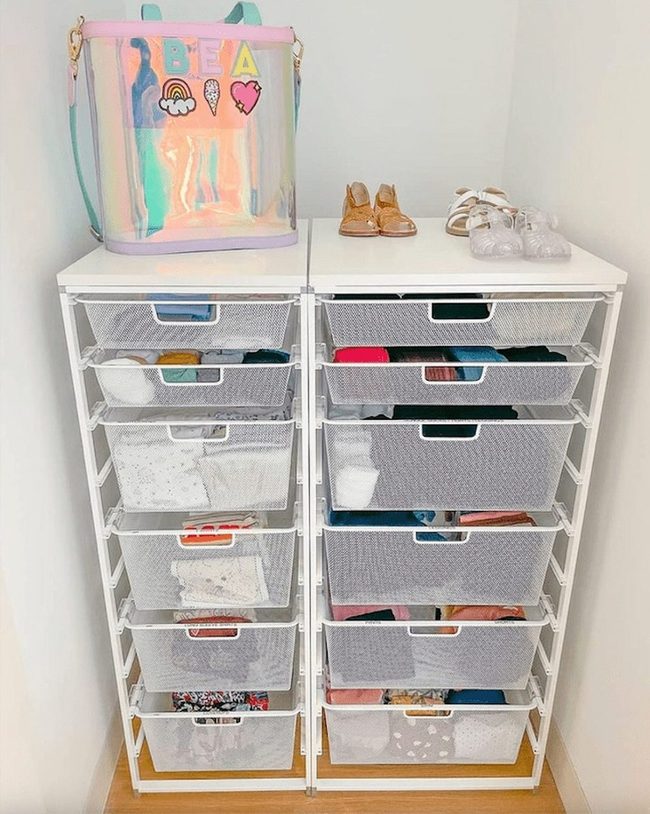
Keeping a donation bin right in your baby's closet makes it simple to let go of outgrown clothes and toys as your child grows.
When something no longer fits or gets played with anymore, you can toss it in the bin instead of letting it pile up around your home.
We suggest aiming to drop off these items at a local donation center about once a month so the bin doesn't overflow with too much stuff.
You'll find this habit keeps the closet from getting cramped and makes space for new items your little one actually needs.
Monthly trips also mean you're not sitting on a huge stack of donations for months on end.
This easy system helps you stay organized without feeling overwhelmed by the constant flow of outgrown baby gear.
It also means items get into the hands of families who can use them while they're still in good condition.
Five Minutes Saves Mornings
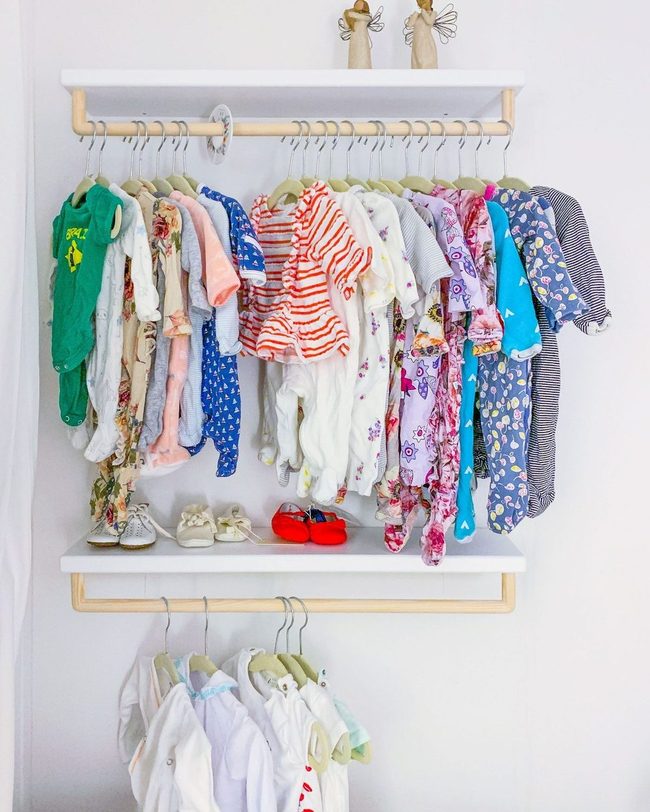
Removing those hang tags from baby clothes before you tuck them away makes getting dressed so much easier when you're busy with your little one, and Hord suggests this quick step saves you from scrambling later when you're already juggling feeding and diaper changes.
It might seem small, but when you're a parent managing a baby's wardrobe and schedule, every bit of preparation matters.
Taking five minutes to strip off tags before storage means you won't waste time hunting for scissors or dealing with itchy labels when your baby needs to get dressed right now.
You gain back those precious minutes when your hands are full and your patience is thin.
Adult closets don't require much thought about tags, but babies need a different approach since convenience and speed become everything.
Most parents realize too late that this one simple task prevents frustration during the hectic morning routine or quick changes throughout the day.
This kind of basic prep work is what experienced parents swear by, and once you start doing it, you'll wonder why you didn't think of it sooner.
Clear Labels, Organized Baby Spaces
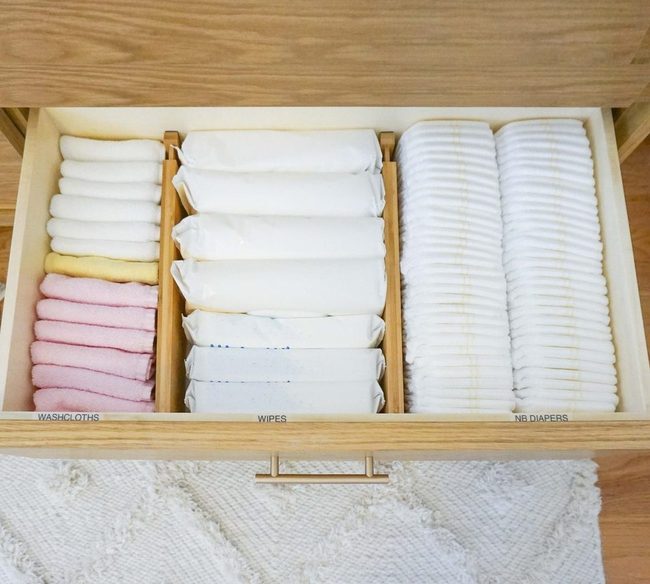
When you're parenting a baby, especially if you're new to it, you're likely to have plenty of people helping out around your home Labeling everything in your baby's room and closet keeps the space organized without much effort on your part.
Your partner, family members, friends, and anyone helping with childcare will find it much easier to keep things tidy when they know exactly where everything belongs.
Simple labels on drawers and shelves prevent confusion and save you from constantly reorganizing.
This small step takes just minutes but pays off every single day by keeping your baby's space neat and functional for everyone involved.
Top Drawer Baby Essentials Station
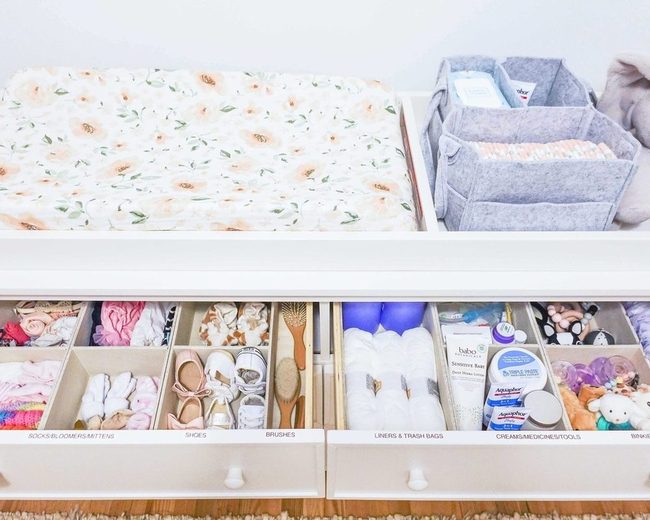
If you have a dresser that pulls double duty as your baby's changing table, smart organization makes all the difference in those late-night diaper changes.
Stock your top drawer with the supplies you'll grab most often-diapers, wipes, diaper cream, and other cleaning essentials should sit right where you can reach them without stepping away.
Keep socks, bloomers, onesies, and burp cloths in this same drawer since you'll need fresh clothes right after changing your little one.
Placing everything within arm's reach means you won't have to hunt through multiple drawers or leave your baby unattended on the changing surface.
This setup saves you time and keeps your hands free to focus on your baby.
By grouping these everyday items together, you turn a basic piece of furniture into a functional changing station that works for your family's routine.
Baby Clothes On Hangers
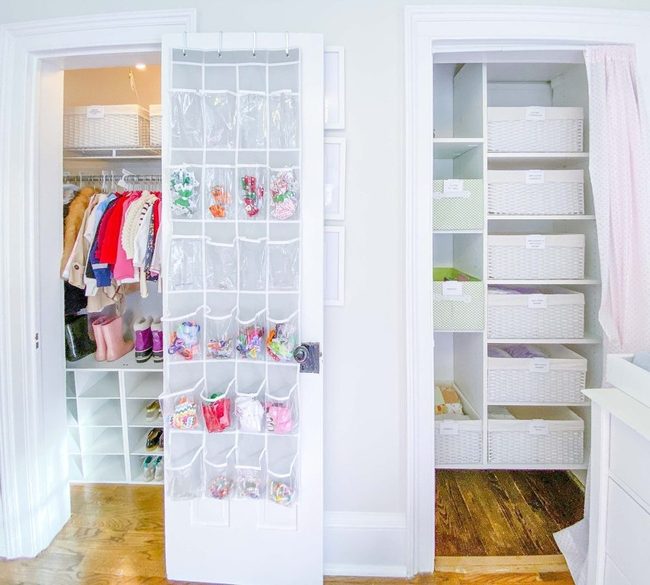
Just like you'd organize your own closet, hanging items in your baby's closet works best for dresses, coats, and other pieces that benefit from being suspended rather than folded.
Baby-sized hangers are worth the investment since adult hangers can stretch out small garments and ruin their shape.
Small hangers fit properly and keep clothes looking fresh longer.
You'll find that organizing this way saves space and makes it easy to see what outfits you have available.
Storing clothes vertically means you can quickly grab what you need without digging through stacks.
Secured Nursery Safe Storage
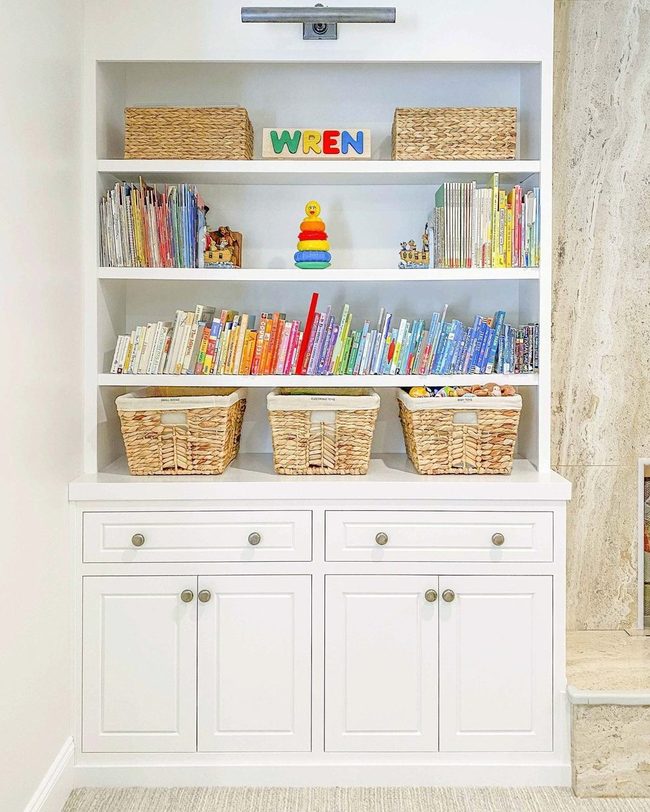
When you're organizing a baby's room, safety needs to come before style and everything else on your to-do list.
We tend to overlook this when decorating our own spaces, but babies require much more careful planning since they explore everything within arm's reach.
Keep any items stored at low heights or near the changing table away from your little one, and make sure nothing sharp, small, or toxic sits where curious hands can grab it.
You'll want to check your storage solutions twice to confirm they won't tip over or become hazards during playtime.
Store cleaning products and medications in high cabinets where babies can't access them.
Furniture should be secured to walls so nothing shifts or falls when your baby pulls up to stand.
Taking these precautions doesn't mean sacrificing a beautiful space-it just means thinking ahead about what goes where and keeping safety as your main guide while you arrange everything.
Everyday Essentials At Eye Level
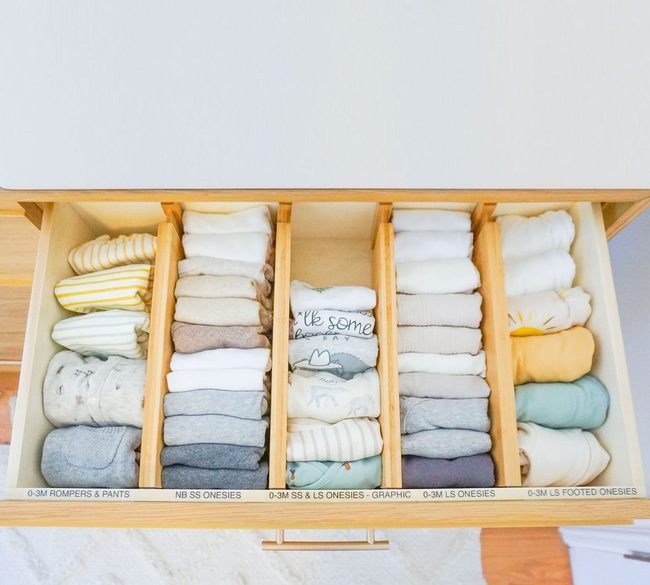
Middle drawers work best when you stock them with the clothes you reach for every single day, like pants, shorts, t-shirts, and pajamas instead of saving that prime real estate for items you rarely use.
Organizing these everyday essentials into neat rows makes getting dressed faster and simpler for you and your family.
When you arrange clothes this way, grabbing what you need takes just seconds, and changing your baby becomes so much easier.
You'll notice how much smoother your mornings go when frequently worn items sit right at eye level and within easy reach.
Keeping active wear in the middle drawers means underclothes stay tucked away in the top drawers where they belong.
This simple sorting method saves you from digging through layers of fabric to find basic pieces.
Your daily routine will feel less rushed when everything has its own designated row and spot.
Stacked Bins Organize Everything
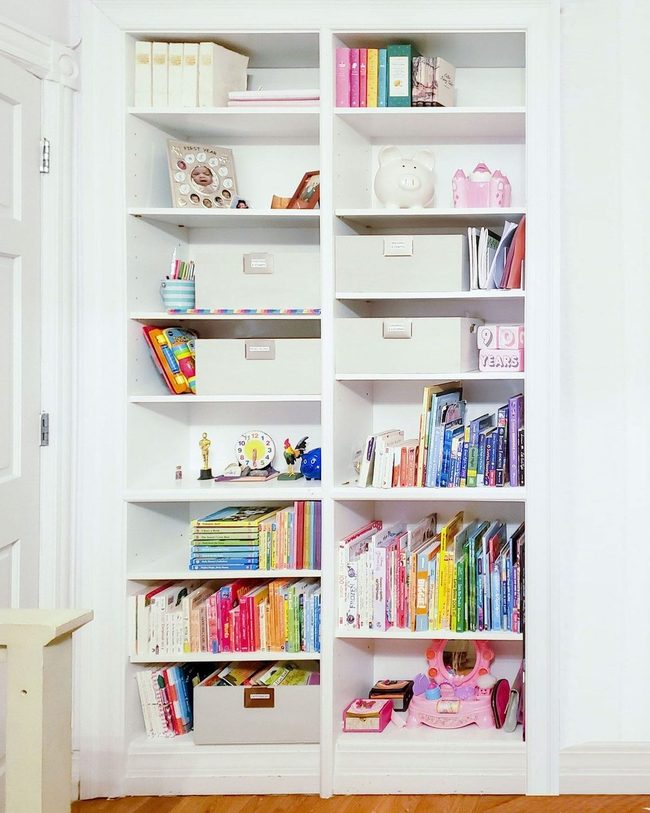
When your drawers are stuffed and you have nowhere else to turn, bins sitting on your shelves act just like extra drawers and solve the problem quickly.
You can fill these containers with your regular items that you use every day or stock them with backup supplies and bulk products that would otherwise take up floor space.
Organizing this way lets you keep everything accessible while making the most of your vertical space.
Bins come in different sizes and styles, so you can match them to your room's look without sacrificing function.
Stacking them neatly on shelves keeps items out of sight but easy to grab when you need them.
This method works well in bedrooms, bathrooms, kitchens, and offices where clutter tends to pile up fast.
If you label each bin clearly, both you and anyone else in your home can find things without opening every container.
Simple storage like this makes such a difference in how organized and calm your space feels.
Smart Storage Beyond The Obvious
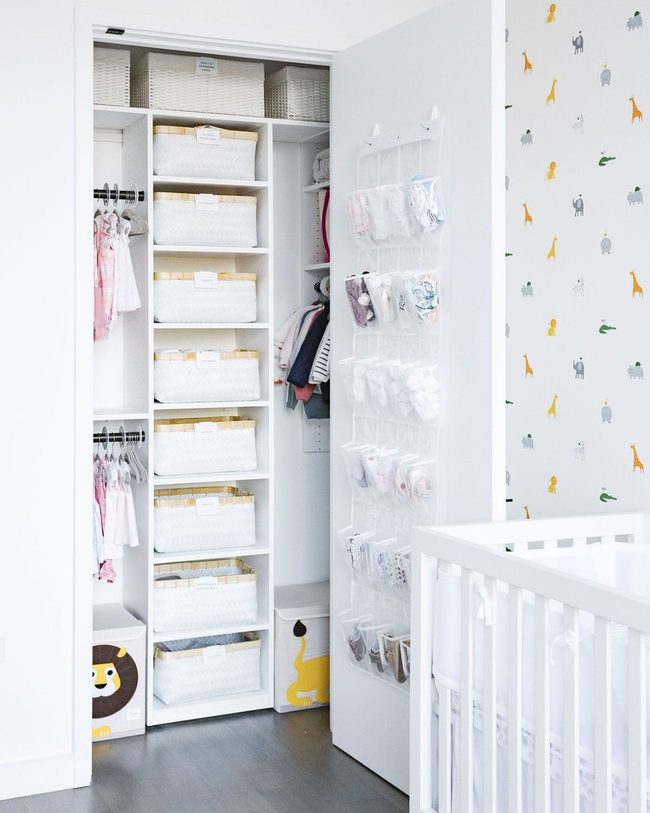
When drawers overflow and closets burst at the seams, nothing works the way it should, so resist the urge to cram everything into spaces that simply cannot hold it all.
Limited storage demands a different strategy altogether.
We suggest looking beyond your bedroom or nursery and considering spots like a hallway closet where you can stash bulk items safely away.
Under a crib or baby bed offers another smart hiding place that keeps things out of sight without taking up visible room.
Sometimes the best solution means spreading your belongings across multiple locations rather than forcing them into one packed area.
You'll find that items stored properly in the right places stay more organized and stay accessible longer.
Moving beyond the obvious spots teaches you where your home can genuinely accommodate what you own.
Baby Clothes Drawer Dividers Spring-Loaded
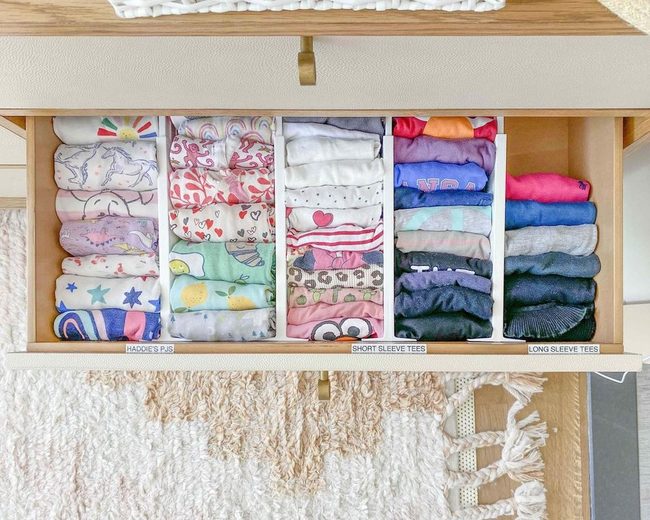
Drawer dividers are essential for organizing baby clothes since tiny garments need storage spaces that match their size, and you'll find spring-loaded dividers work wonderfully for keeping different clothing categories separated in each drawer.
Because baby items are so much smaller than adult clothes, standard drawers become inefficient without proper organization tools.
Using dividers means you can assign one section for onesies, another for socks, and so on, making it simple to find what you need quickly.
This approach prevents clothes from shifting around and getting wrinkled during daily use.
Your drawers stay neat throughout the week even with frequent digging through them.
Dividers also help maximize your drawer space and let you fit more items without creating a jumbled mess.
If you're stocking a nursery, adding these simple tools makes a real difference in how functional your storage becomes.
Baby Clothes Size Progression System
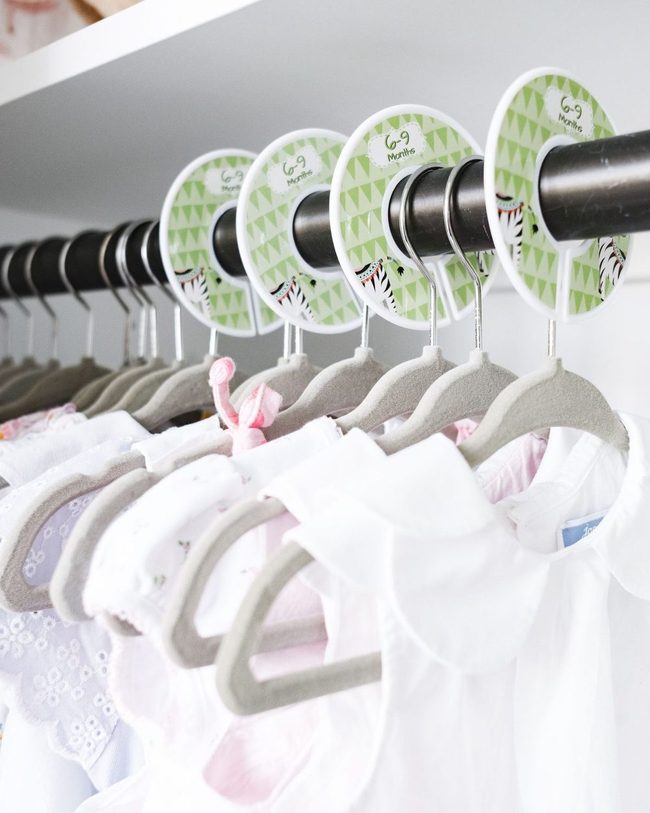
Babies grow at an astonishing speed, and staying on top of their changing clothing sizes keeps you prepared for each new stage.
Organizing by size is the most practical way to manage this constant shift, since you'll always know exactly what fits right now.
Keep the current size front and center in your dresser or closet where you can grab items quickly during diaper changes and outfit swaps.
Store the next sizes up on shelves in the baby's closet or in lower dresser drawers so they're ready when you need them.
This system saves you from digging through piles of clothes that don't fit anymore, and it makes room for what actually matters.
You can see at a glance what your baby can wear today and what's coming next month.
When you organize this way, getting your little one dressed becomes faster and less stressful for everyone involved.
Vertical Fold Storage System
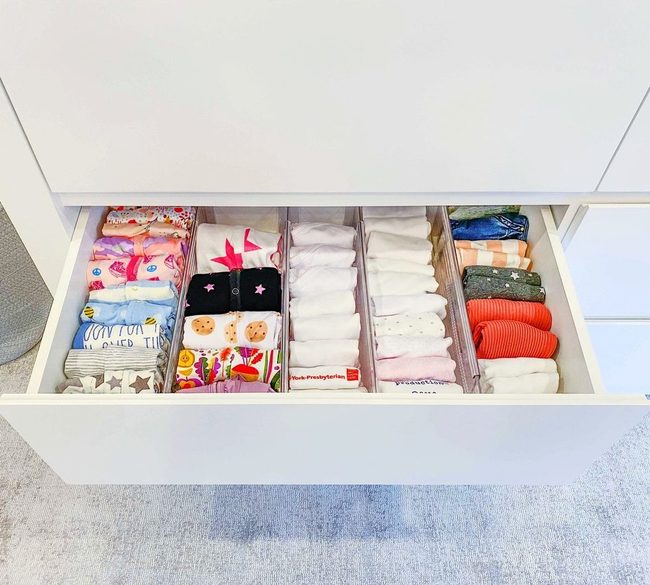
File folding your clothes in drawers and bins solves the mess that stacking creates when items topple and scatter everywhere.
When you stack folded clothes on top of each other, you have to dig through the whole pile just to find what you need, and the tower collapses in the process.
Standing your clothes upright in a file-fold style means you can see each piece at a glance without disturbing the rest.
This method works especially well in drawers and storage bins where space matters.
You simply lay each folded item flat, then fold it one more time to create a vertical rectangle that stands on its own.
Grabbing what you want becomes quick and simple since everything is visible and organized in rows.
No more searching through collapsed piles or wrinkled clothes at the bottom of a stack.
File folding keeps your storage neat and your daily routine smooth.
Door Back Hanging Storage System
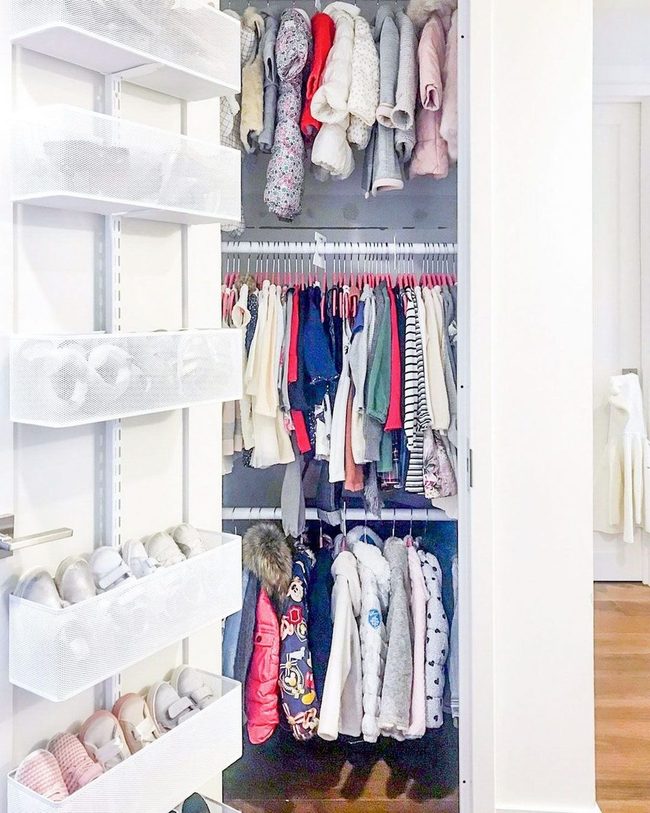
If you're struggling to find room for all your baby gear, don't overlook what's already there-the backs of your doors can become a hidden storage zone.
Hooks, organizers, and hanging pockets transform that empty wall space into a practical system for shoes, accessories, cleaning supplies, and hygiene products.
You get to keep everything within arm's reach while freeing up valuable floor and closet space.
Once you add a few hanging organizers to your door, you'll wonder how you ever managed without them.
Your daily routine becomes easier when baby's necessities are organized and accessible.
Oversized Baby Clothes Shelf Storage
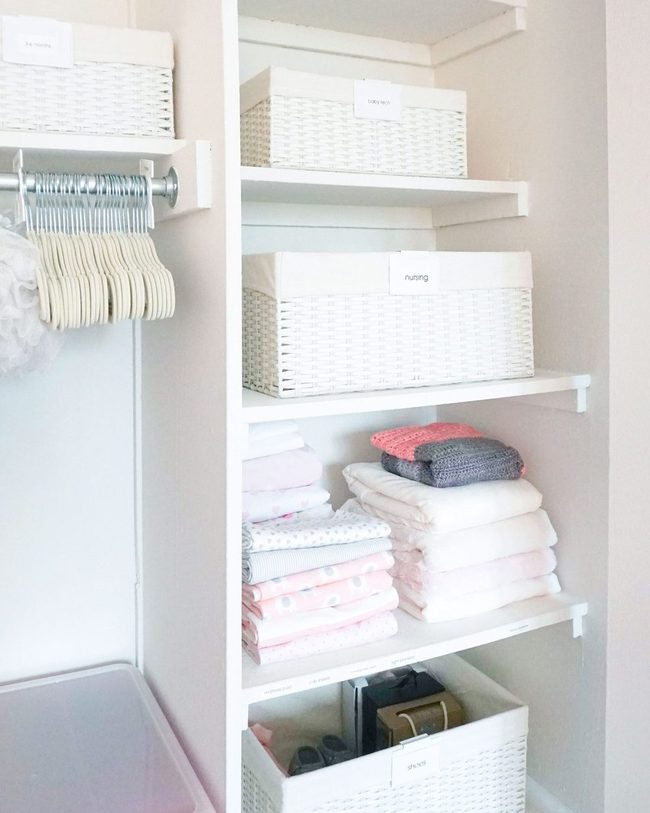
Keep oversized baby clothes out of your dresser and closet drawers to prevent clutter from taking over your little one's room.
Store these future outfits in bins on the closet shelf where they sit ready for when your baby grows into them.
As your child gets bigger, you can move pieces from the bins into the dresser or hang them up for easy access.
This system keeps you organized and saves space for clothes that fit right now.
One thing to watch out for is forgetting about those bins tucked away, so consider labeling them by size or age range.
You might even jot down a reminder on your phone about when to check on them.
This way, you won't miss the chance to use those saved outfits when the time comes.
Bottom Drawer Seasonal Storage Strategy
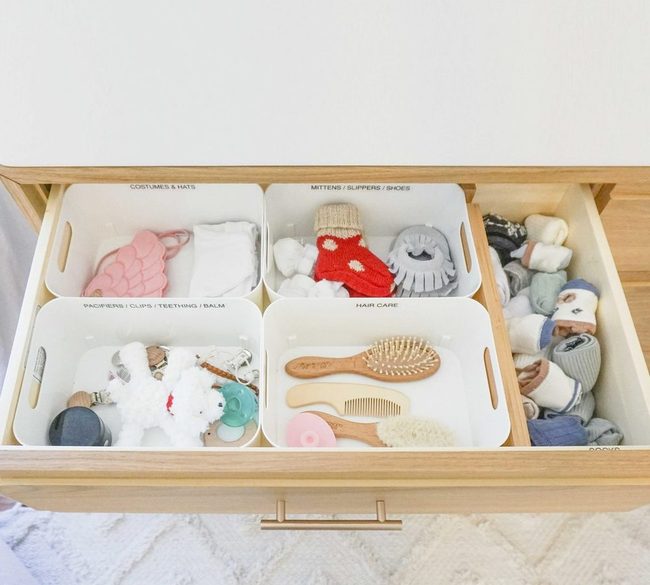
Bottom drawers work best as storage for things you reach for less often, since bending down to access them can be inconvenient for daily use Backup linens and extra blankets also belong here, keeping your frequently used bedding accessible in upper drawers instead.
Think of your bottom drawer as the ideal spot for activity-related gear that sits unused for months at a time.
By organizing this way, you keep your most-grabbed items within easy reach and reserve premium storage real estate for everyday essentials.
It's a simple strategy that saves you time during your morning routine and reduces the frustration of digging through crowded spaces.
Second Child Storage Bins
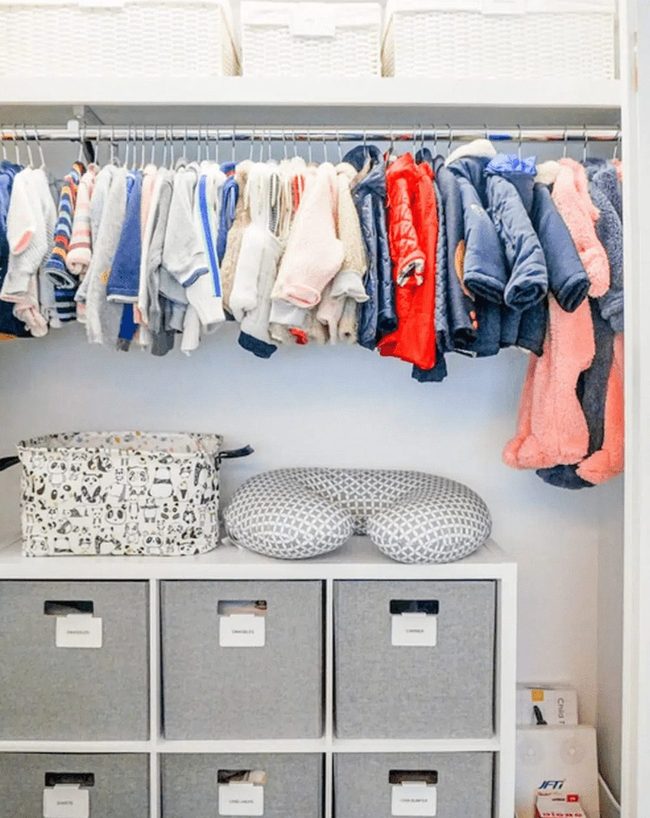
When your first child outgrows clothes, toys, and accessories, setting aside a specific bin or set of bins makes it simple to store hand-me-downs for a second child later on.
Instead of scrambling to find items scattered throughout your home, you can toss things into these containers as your kids grow, and everything stays organized in one spot.
Hord suggests keeping these bins easily accessible so you can quickly add items without extra effort.
Having a dedicated space for hand-me-downs saves you money and time since you won't need to buy new things for your next child.
You'll know exactly where everything is when you need it, and the process feels manageable rather than overwhelming.
Setting up this system early makes life so much easier as your family grows.
Fresh Start Newborn Essentials
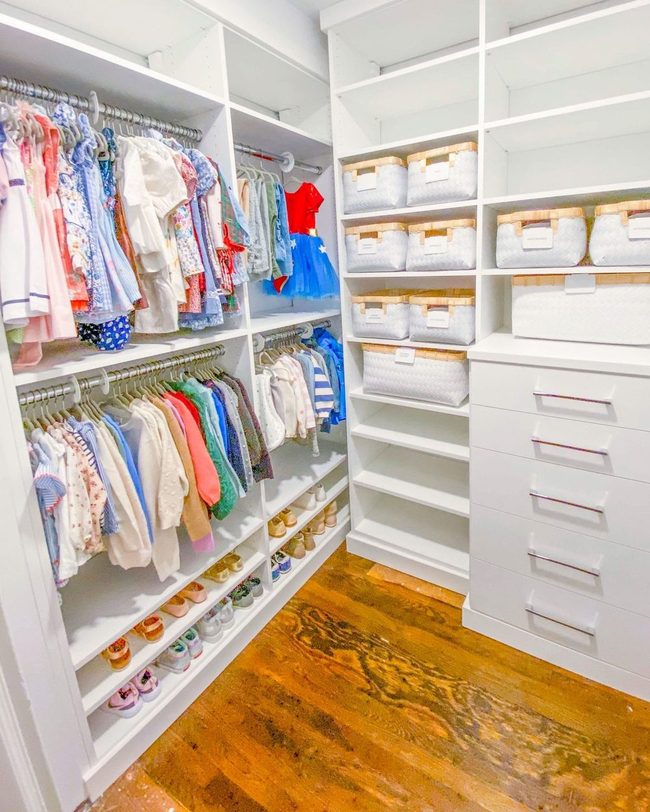
Before you store away your baby's clothes, blankets, and anything else that will touch their delicate skin, it makes sense to run them through the wash first.
Babies have far more sensitive skin than we do, so those new items from the store still carry chemicals and residue that could irritate them.
Washing everything in bulk before you put things away is actually easier than doing it piece by piece later on.
You can fold everything right after it comes out of the dryer and place it directly into drawers or storage.
This way, you know every item is clean and ready to use whenever your baby needs it.
Taking this one step upfront saves you time and keeps your little one's skin protected from the start.
Outgrown Clothes Storage Bin
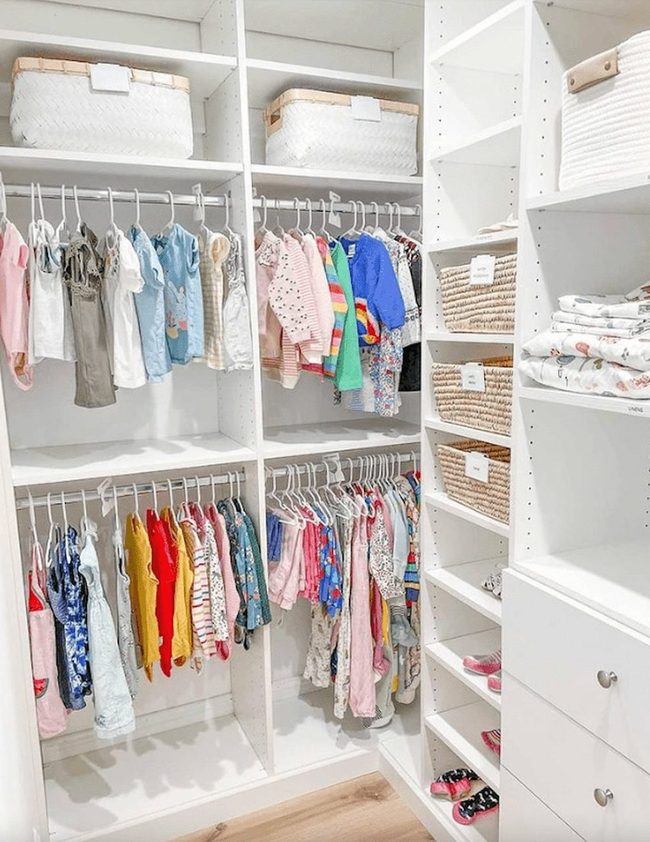
Just as you need a spot for outgrown larger sizes, keeping a trunk or bin within easy reach makes sense as your baby gets bigger.
When your little one moves past certain clothes, you can quickly place the too-small pieces inside this container.
We recommend checking this storage area once a month or each season to keep it from turning into a chaotic pile of forgotten baby garments.
It only takes a few minutes to sort through what's there and decide what to donate or pass along.
Setting up this system early prevents the bin from becoming an unmanageable mess down the road.
You'll find the process runs smoothly when you stay on top of it regularly.
This simple habit keeps your nursery organized and makes it easy to access items you might need later.
Frequent Use Needs Easy Access
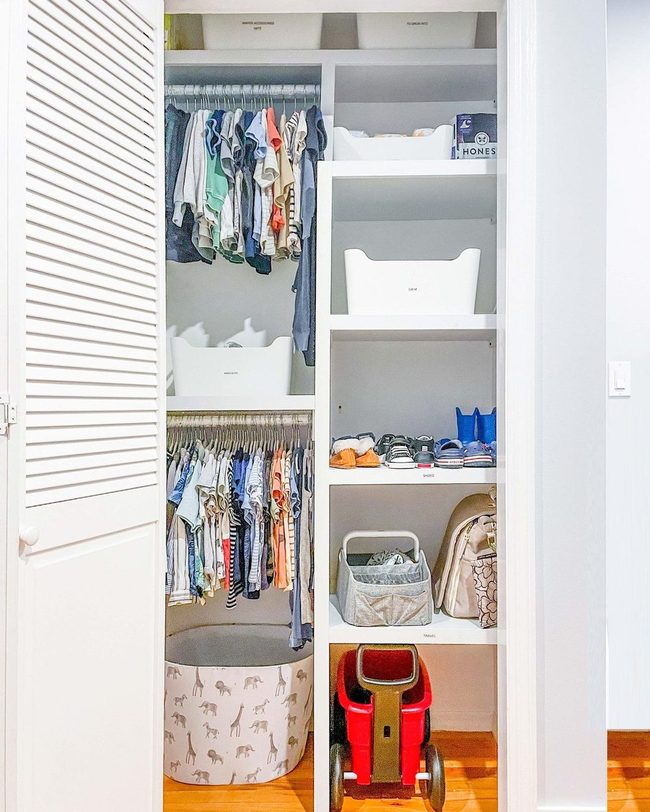
When organizing your space, don't overlook where you place your most-used items because location matters more than you might think.
Keeping things you reach for constantly at eye level or within arm's reach saves you time and energy throughout your day.
If you're changing diapers constantly, storing them on a high shelf makes no sense and wastes precious moments searching for what you need.
The same logic applies to everything else in your home, from kitchen utensils to cleaning supplies.
Items you use daily should live in the spots that require the least effort to access.
Once you start placing frequently used items in the most convenient locations, you'll notice how much smoother your daily tasks become.
It's a simple principle that makes a real difference in how smoothly your days go.
Baby Clothes Organized By Category
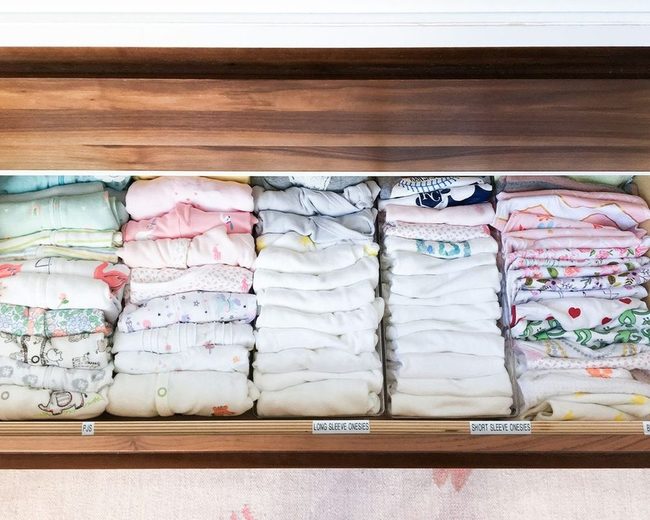
Keeping baby clothes sorted by type rather than color or season works much better for most parents, and organizing them this way saves you time when you need something fast.
Group similar pieces together so everything has its own space, whether that's socks in one spot, onesies in another, or diapers in a third location.
When you store items by category, you always know exactly where to find what you need without hunting through piles of clothes.
Placing like items next to each other in your closet or drawers makes daily routines smoother and less stressful.
You can grab a matching pair of socks in seconds or find a clean onesie without opening multiple drawers.
This method works especially well when you have a baby who needs frequent outfit changes throughout the day.
Most parents find that once they switch to this system, they wonder why they didn't start this way from the beginning.
Setting up your baby's wardrobe this way takes just a little time upfront and saves you so much hassle down the road.
Alex Johnson
Home Decor Specialist & Content Creator
Expertise
Room Makeovers, DIY Home Projects, Budget-Friendly Decorating, Seasonal Decor Trends
Education
The Interior Design Institute, USA
New York Institute of Art and Design
Alex Johnson is a home decor specialist and content creator who believes that every space should reflect its owner’s unique personality. With a Diploma in Interior Design from The Interior Design Institute and a Certificate in Home Staging from the New York Institute of Art and Design, Alex focuses on making home styling fun, affordable, and accessible.
At Homee Bee, Alex provides room makeover ideas, DIY decor solutions, and budget-friendly styling tips to help readers transform their homes with confidence. Whether it’s seasonal decor trends, thrift store finds, or smart space-saving tricks, Alex’s approach is all about creating beautiful, functional spaces that feel truly personal.