
10 Smart Ideas for Baby Nursery Room Design Tips

Baby nursery room design tips help new parents craft a comfortable and functional space where infants can sleep, play, and grow during those precious early months.
Planning a nursery involves balancing safety requirements with aesthetic preferences while staying within budget constraints that work for different families.
Colors, furniture placement, and storage solutions all contribute to how well the room serves both baby and caregiver throughout daily activities.
Smart choices about lighting, temperature control, and organization make nighttime feedings and diaper changes far less stressful when everyone needs rest.
Parents often feel overwhelmed by the sheer number of decisions required before bringing home a newborn.
Understanding which elements truly matter versus optional additions saves time, money, and unnecessary stress during an already emotional period.
Creating a nurturing environment for the newest family member becomes achievable when you have practical guidance that cuts through marketing hype and focuses on what genuinely benefits both infant and parent.
Growing With Your Child
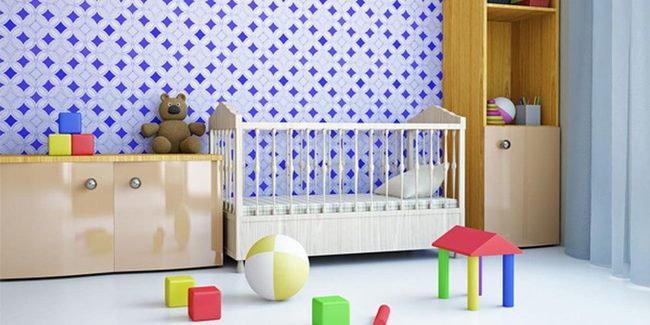
When you design a nursery with adaptable pieces, you won't have to start over as your child grows from a baby into a toddler, which saves both time and money in the long run.
Colors and patterns matter more than you might think because they shape how infants see and understand the world around them.
Picking a theme that resonates with your family can spark curiosity and creativity while keeping your little one feeling safe and secure.
Adding educational touches to the room - whether through wall art, books, or toys - encourages your child to explore and learn from those earliest days forward.
Light Control For Better Sleep
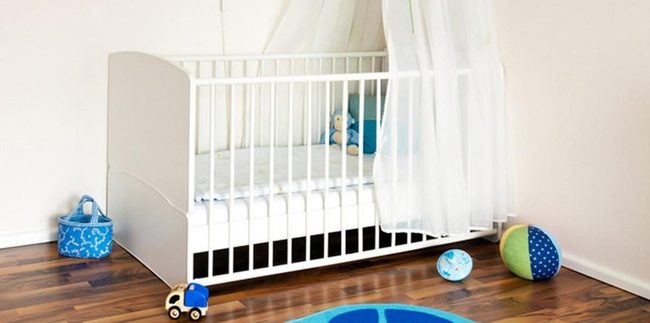
Layered window treatments give you the freedom to control how much light enters the room, whether you want bright sunshine streaming in during the day or complete darkness for naptime and nighttime sleep.
Sheer curtains allow soft daylight to brighten the space and lift your mood, while blackout shades block out light when your baby needs rest.
Dimmable lights work well for those early morning feedings and diaper changes when you want enough visibility without jarring your little one awake.
You can adjust the brightness up or down depending on what time of day it is and what your baby needs at that moment.
Warm lighting in the evening helps soothe both you and your baby as the day winds down.
Morning sunlight naturally energizes the room and helps establish healthy sleep rhythms.
This flexible approach to lighting means you're not stuck with one setting all day long.
Soft Pastels, Smart Storage
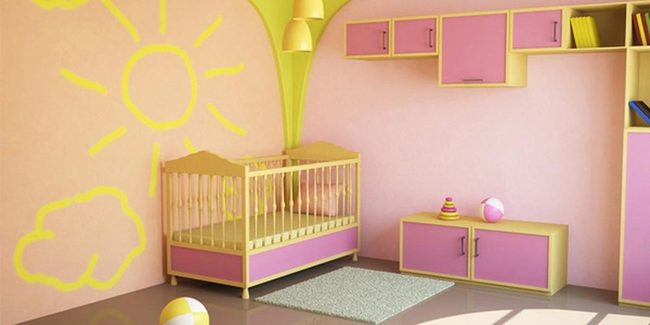
When you're designing a room for a young child, starting with soft colors and gentle patterns sets a calm foundation that helps them feel at ease.
Choosing furniture and decor pieces that serve a purpose means you don't sacrifice style for usefulness.
Sometimes restraint matters more than abundance when building a space where your child can grow and rest comfortably.
Soft Wool Nursery Foundation

Wooden floors bring a timeless look to any nursery, but you'll want a soft surface to protect your little one as they develop.
Area rugs give you a comfortable zone for crawling and playing, and a plush spot works perfectly while you're nursing your baby.
When you're selecting a rug, picking one with non-slip grip matters because it keeps things safe when your child takes those first wobbly steps.
Bright colors or playful patterns on the rug can light up the room and spark your child's imagination as they grow.
Safe Spacing Baby Cot
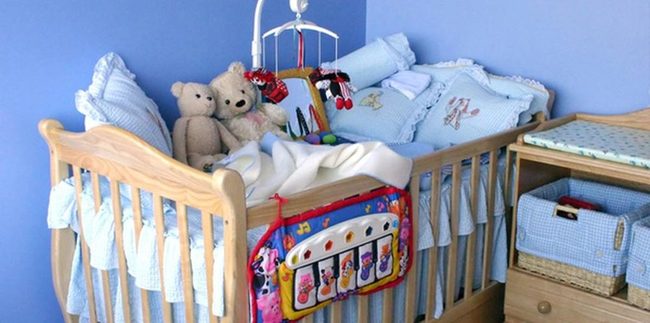
Making sure your baby's cot meets safety standards should be your first priority, and proper bar spacing is what keeps little ones secure from entrapment risks.
You'll want to skip designs that have cut-outs or built-in steps, as these create hazards during both sleep and playtime.
Where you place the cot matters too - keeping it away from lamps, electrical cords, and windows protects your baby from unnecessary dangers.
Moving it far from heaters and wall decorations removes additional threats to their safety.
A well-positioned cot that avoids these hazards gives you real peace of mind, and your child gets to rest in a truly secure space without worry.
Nursery Safety First Essentials
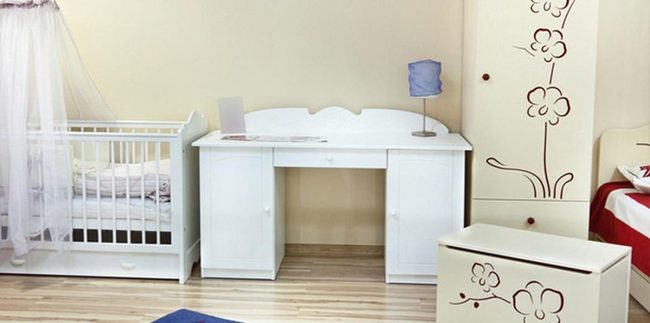
When setting up a nursery, safety comes first and demands your attention above all else - cribs and changing tables need to meet current standards to protect your baby during sleep and care routines.
Next, comfort becomes essential since you'll spend many hours in this room, and a supportive chair makes those long nights and feeding sessions far more manageable.
Storage solutions deserve real consideration too because keeping supplies organized and within arm's reach cuts down on clutter and makes your daily routine smoother.
Durability rounds out your planning, so choosing quality pieces means your investment holds up through years of use and potentially multiple children without falling apart or wearing out.
Quiet Bedroom Near Yours
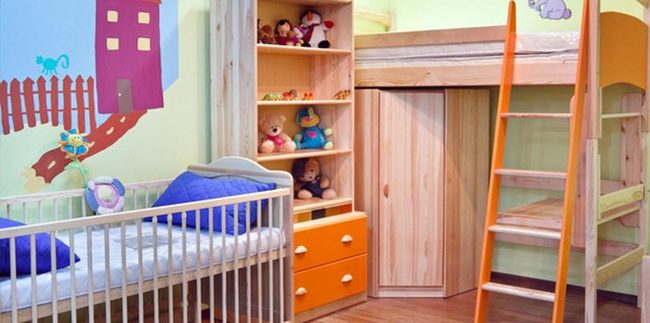
Positioning your nursery near your bedroom gives you quick access for those middle-of-the-night feedings and check-ins, and this convenience brings real peace of mind.
Finding a quiet spot in your home matters because it keeps interruptions away and lets your baby rest without noise disturbing their sleep.
Good airflow throughout the room keeps the air fresh and the space comfortable all day long.
When colder weather arrives, making sure the room stays warm becomes essential so your little one stays cozy during naps and nighttime sleep.
Woven Storage For Tiny Spaces
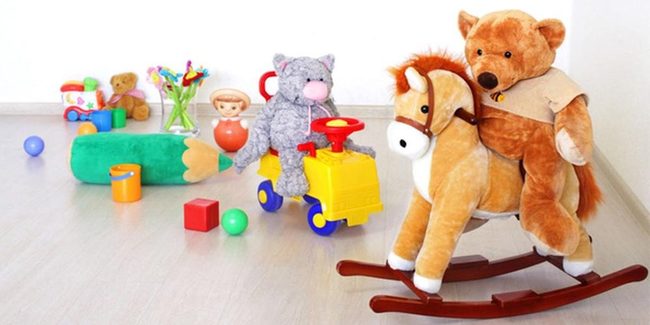
Baskets and shelves work well for organizing baby items because they keep toys contained and accessible.
When everything sits in its designated spot, you reduce the chance of tripping hazards and create a safer space for your little one to play and explore.
Beyond safety, having a system means you can grab what you need without wasting time hunting through piles, which matters most during those hectic moments when you want to spend more time enjoying your baby rather than searching for supplies.
Bright Mobile, Calm Nursery Space
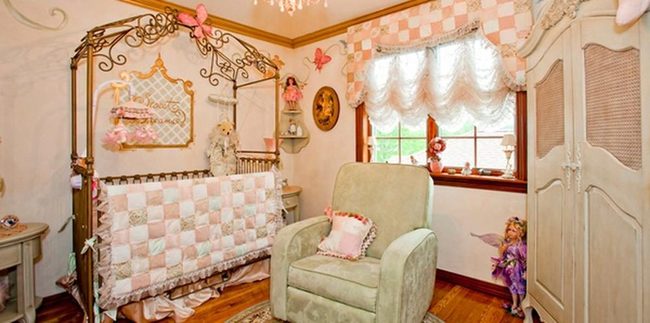
A bright mobile hanging above the changing table immediately draws the eye and keeps your baby entertained during diaper changes, making it one of the first things you'll want to install in the nursery.
Wall art positioned away from the crib adds personality to the room without cluttering the sleeping area, and you can choose designs that match your style, whether that's playful patterns for boys or soft pastels for girls.
Soft toys arranged on shelves or in corners of the room give the space warmth while staying safely out of reach of your baby during sleep.
The key is keeping things simple and open so the room feels calm and easy to move around in.
Inspiration for your nursery design comes from many places, and mixing different themes or colors helps you build a space that feels right for your family.
With fewer items on display, your baby gets a peaceful environment to rest and grow.
Soft Pastels, Safe Nursery
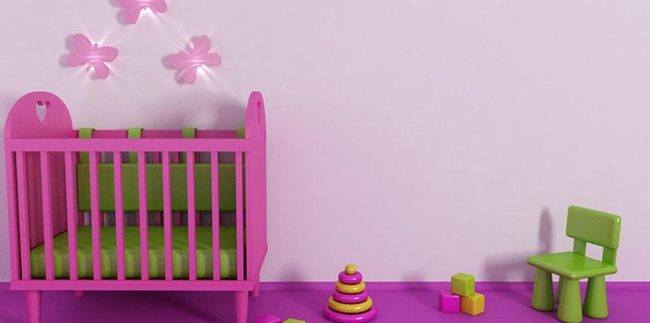
When you're decorating your baby's room, picking the right paint matters more than you might think because it directly affects your little one's health and comfort.
Non-toxic, safe paints should be your first priority since babies spend so much time in their nursery and their developing bodies are more sensitive to harmful chemicals.
Beyond safety, choosing paint that resists moisture and wipes clean easily saves you from constant stress about stains and mildew, which keeps the space fresher longer.
Light pastel shades like soft blues, gentle greens, and pale pinks work wonderfully because they help calm your baby and create a peaceful setting where they can rest and grow.
Emma Davis
Founder & Chief Home Enthusiast
Expertise
Interior Design and Space Planning, Home Organization and Storage Solutions, DIY Home Improvement Projects, Sustainable and Eco-Friendly Design, Seasonal and Holiday Decor
Education
Texas State University
Texas A&M International University
Emma Davis is the founder and chief home enthusiast at Homee Bee, a platform dedicated to helping homeowners and renters create stylish, functional, and inviting spaces. With a Bachelor of Science in Interior Design from Texas State University and certification as a Residential Interior Designer from Texas A&M International University, Emma blends design expertise with practical solutions to make home decor accessible to everyone.
Through Homee Bee, Emma shares her passion for space planning, home organization, and DIY projects, offering readers expert advice, creative inspiration, and easy-to-follow guides. Her work emphasizes eco-friendly design, budget-friendly decorating, and seasonal styling, ensuring every home feels warm, personal, and well-balanced.