
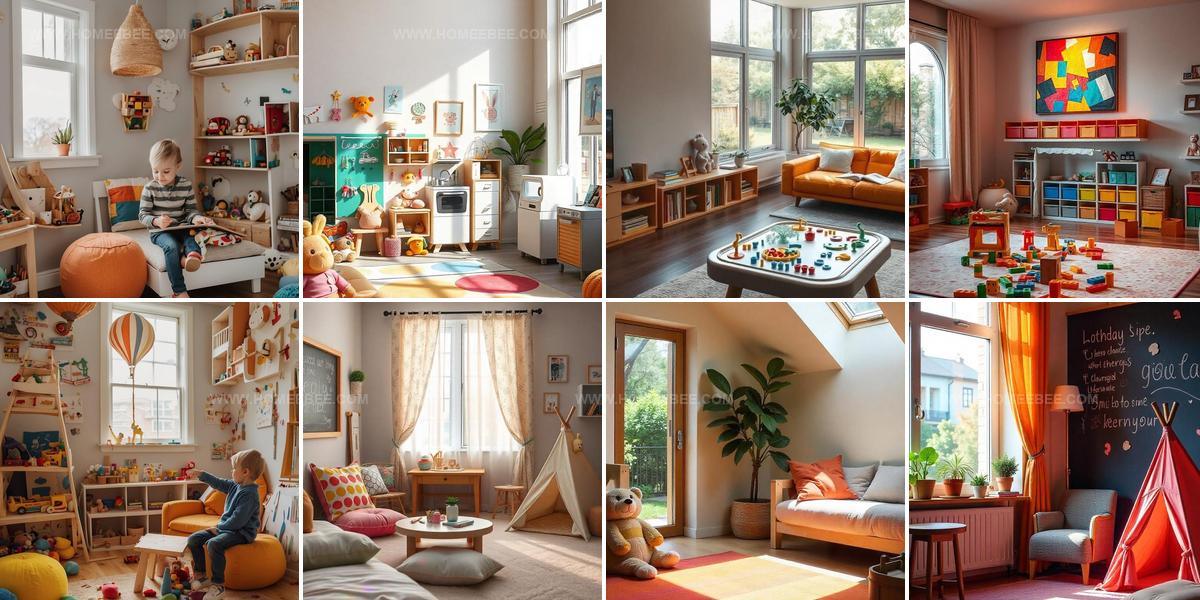
18 Creative Space for Kids Play Corner Ideas

A kids play corner makes any home feel more organized while giving children a dedicated space where they can let their imaginations run wild.
Finding the right balance between fun and function matters when you want to design an area that truly works for young ones without overwhelming the rest of the room.
The beauty of setting up such a space lies in how adaptable it can be, fitting into tight apartments or roomy houses with equal success.
Small changes often lead to big results when thinking through what activities happen most often and which toys or materials deserve priority placement.
Comfortable zones for reading, building, pretending, and creating all deserve consideration as you think about what makes sense for the children using the space.
Every family has different needs, so flexibility becomes key to making sure the corner grows alongside developing interests and abilities.
What begins as simple planning soon turns into a welcoming haven that encourages both play and independence for years ahead.
Dual-Purpose Furniture Maximizes Small Spaces
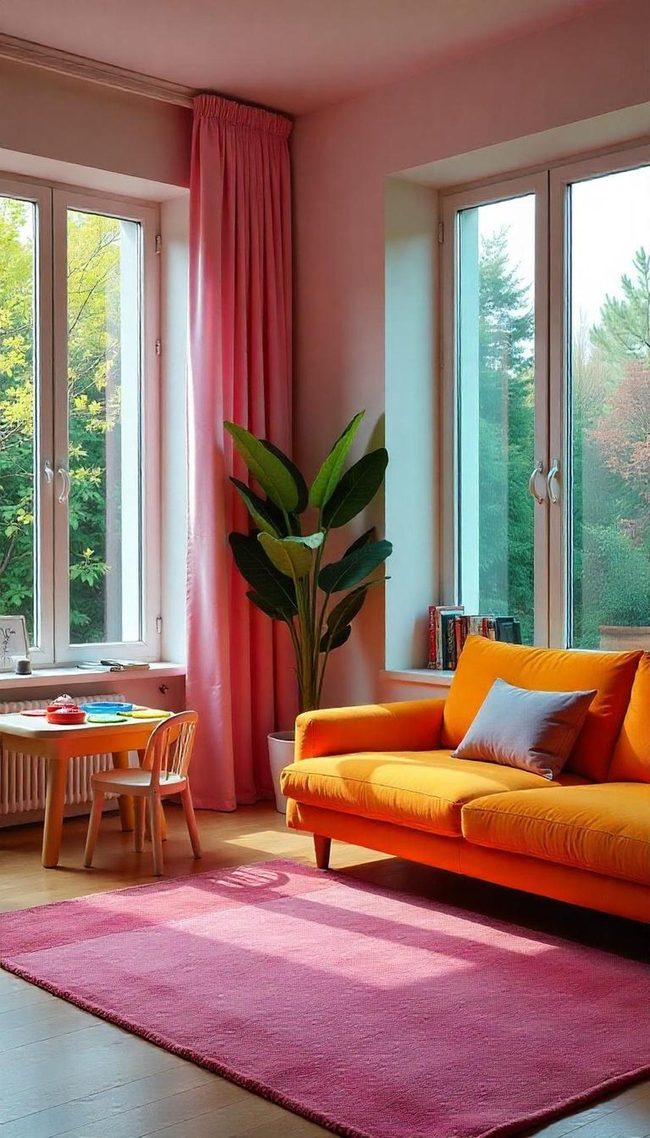
Multifunctional furniture redefines your play corner into a smart, space-saving zone without sacrificing style.
A bench with built-in storage lets you tuck away toys while providing a comfortable seat for reading or relaxing.
Tables that flip to reveal a chalkboard surface give kids a place to draw and add while keeping mess contained.
Sofas with hidden compartments underneath offer extra room for blankets, games, or seasonal items you need to store.
By choosing pieces that do more than one job, you make the most of your living room square footage.
Kids appreciate having flexible furniture they can use in different ways, and you get the bonus of keeping clutter hidden.
In the structure, keeps your space feeling open and organized without needing a separate playroom.
Black Chalkboard Wall For Kids
One wall or even just a section of it can become a chalkboard surface that keeps kids happily occupied for extended periods.
Kids enjoy drawing, writing letters, and leaving little notes for you on the surface.
You get a functional space that doubles as entertainment and a way to add playfulness to your home's design.
It's straightforward to install and requires minimal effort on your part.
Children find the interactive nature of the wall engaging and return to it repeatedly throughout the day.
Beyond keeping them busy, the chalkboard becomes a space-saving spot for jotting down reminders, grocery lists, or daily schedules.
Your space gains personality and warmth through the changing artwork and messages.
This simple addition offers both fun and usefulness without demanding much from your budget or time.
Delicate Foam Floors Secure Play Spaces
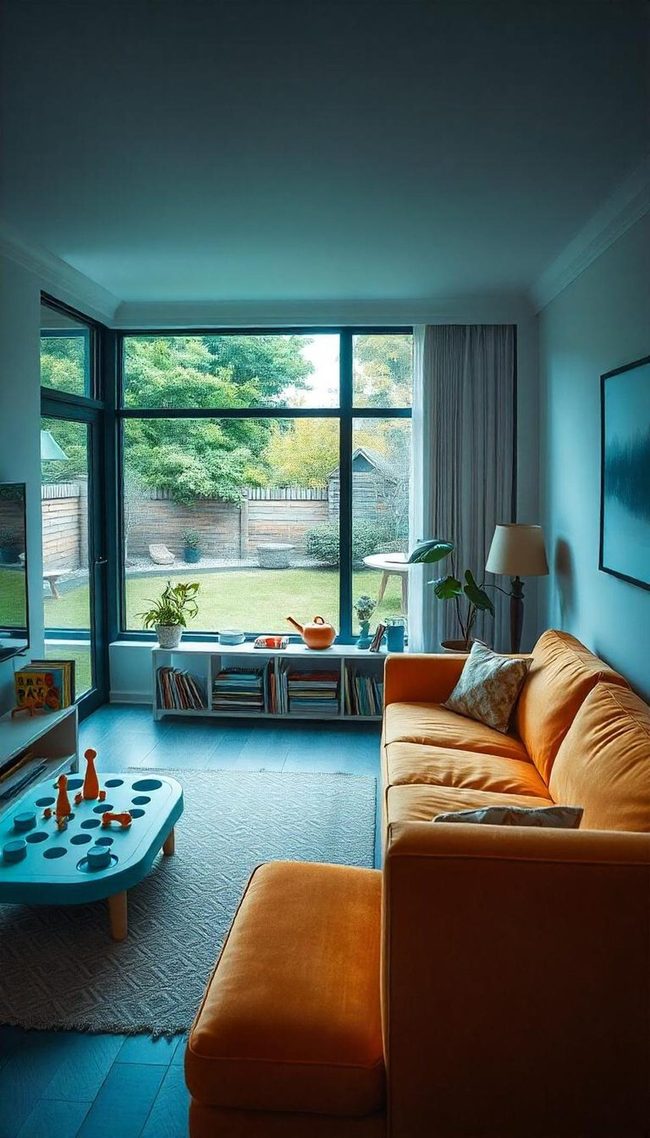
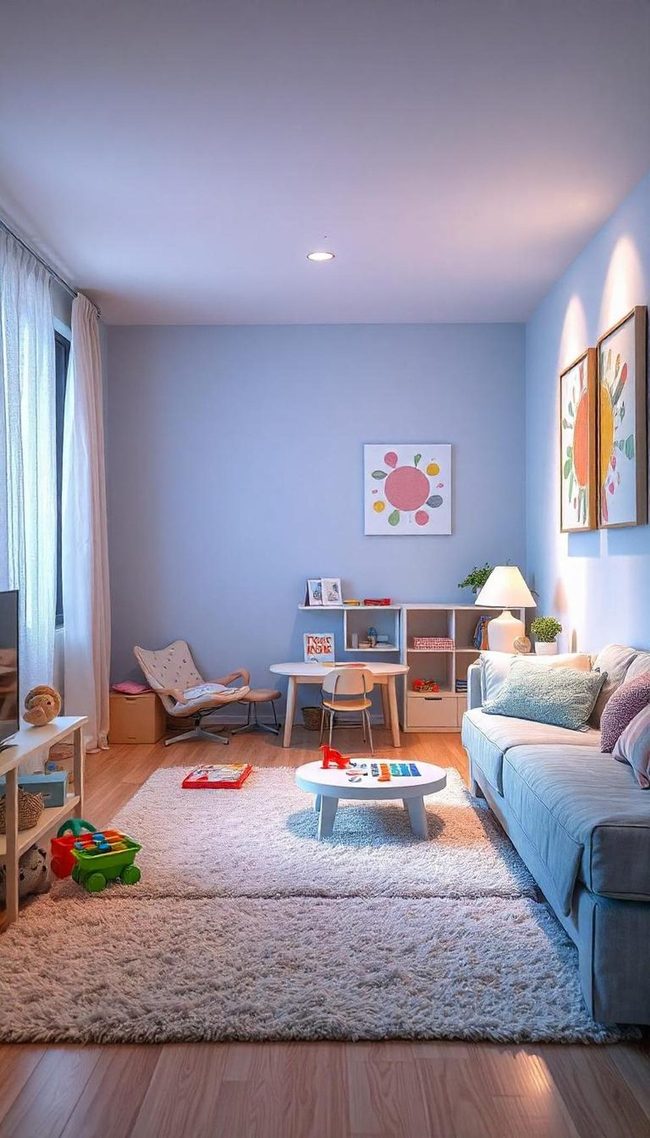
Building a safe play corner in your living room means looking at several key safety measures that keep kids protected while they have fun.
Furniture stability matters most, so anchor bookshelves and cabinets to walls since children often climb or pull on items, and securing them prevents dangerous tipping accidents.
Lightweight flooring like rugs or foam mats cushions falls and reduces injury risk during active play.
It becomes easier to want to search for toys and furniture made from non-toxic materials with certifications like ASTM or EN71 to ensure quality and safety.
Remove sharp objects and furniture with pointed edges from the space, selecting rounded corners wherever you can find them.
Keep electrical cords tucked away and use cord covers so little hands can't grab or chew on them, which is a common hazard in play areas.
Small toys with detachable parts should go elsewhere since they pose choking risks for younger children, and sticking to age-appropriate options works best.
Establish a defined play zone using furniture or playpen barriers so kids stay focused in one safe area and don't wander into dangerous spots.
Labeled Cube Bins For Kids
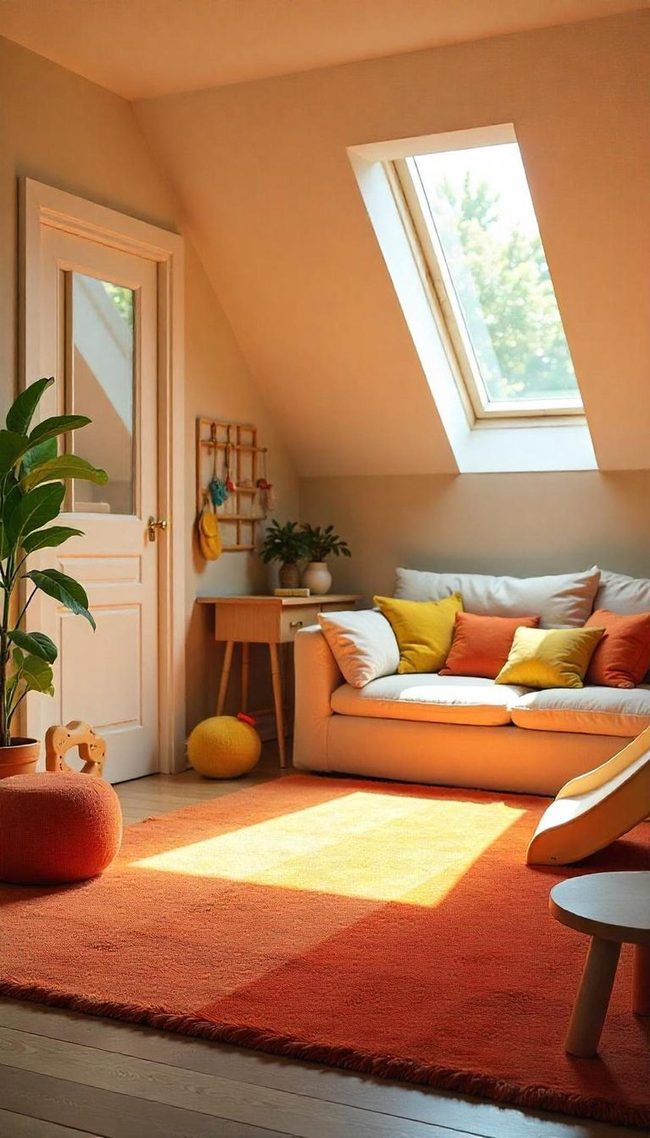
Modular storage units designed for toys offer a smart way to keep your play corner organized and neat without making it hard for children to find what they want.
Cube organizers with bins work really well because they're simple to rearrange as your kid's interests change and their toy collection grows.
When you label throughout bin, you make cleanup easier for everyone in the household and help children develop good habits about putting things back where they belong.
Kids tend to be more willing to tidy up when they know exactly where throughout toy goes, and labels make that second nature for them.
This kind of storage also keeps the room looking calm and functional rather than chaotic and overwhelming.
You can mix and match different bin colors or styles to match your room's look if you want something more visually interesting.
Open cube designs mean kids can see all their options at a glance, which encourages them to play with more variety.
Setting up modular storage is one of those solutions that grows with your family since you can add more units or swap out bins as needs change.
Wooden Wall Panels For Toddler Engagement
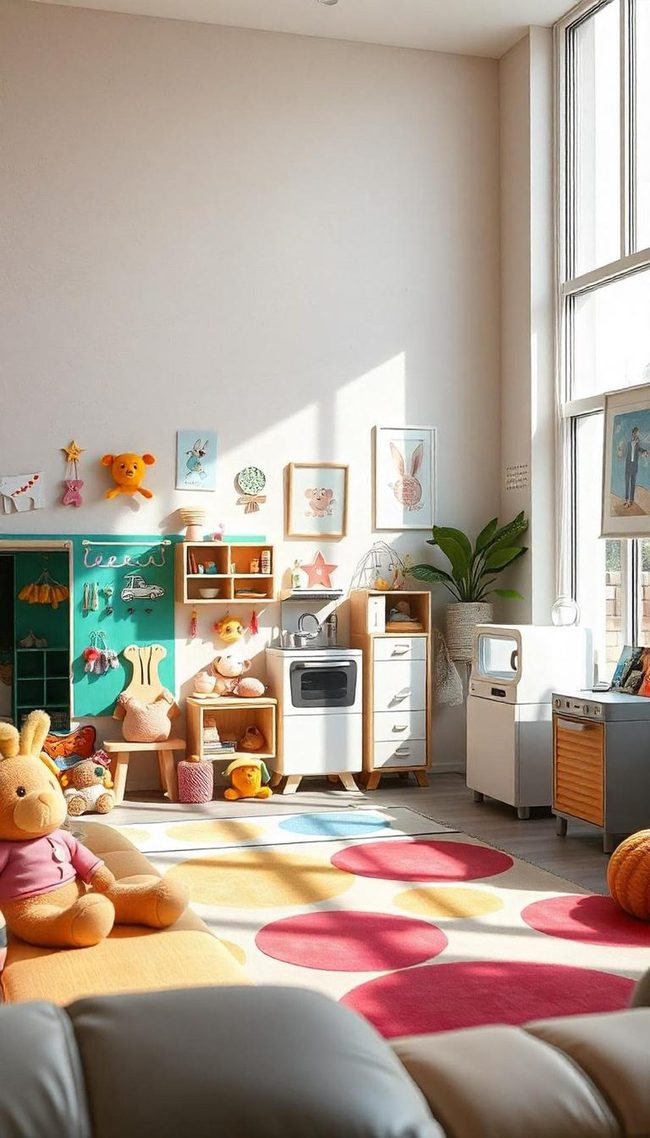
Wall panels packed with activities like bead mazes and magnetic boards are fantastic for keeping young children entertained in a compact space.
Toddlers and preschoolers respond so well to hands-on elements you can touch and manipulate, and these panels deliver exactly that kind of engagement.
Sensory features on the panels give little ones something to explore for hours without needing toys scattered all over the room.
You get the bonus of teaching through play while keeping your space organized at the same time.
Since these panels mount directly to the wall, they don't eat up any floor area where your kids need room to move around.
Foldable Play Mat Neutral Comfort
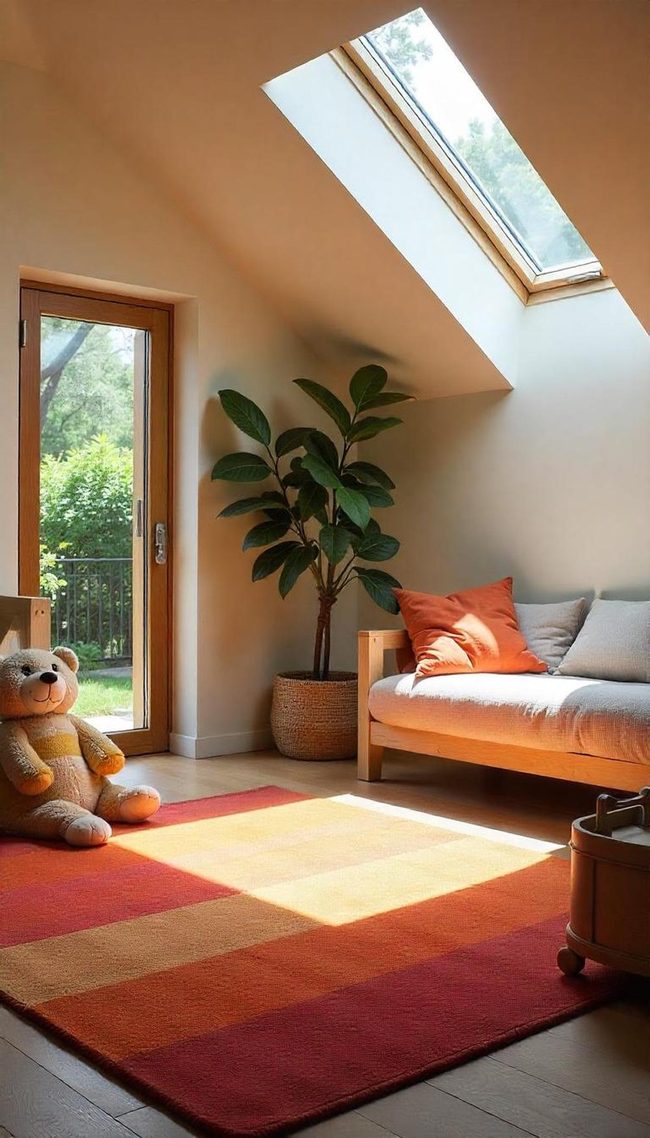
When you need flexibility in your kids' play space, a foldable play mat works as a smart solution for any room.
This type of mat gives little ones a comfortable and safe area to play on throughout the day.
You can fold it up easily and store it away when playtime ends, so your living room stays uncluttered.
Choosing one in a neutral shade or modern pattern means it blends right in with your existing furniture and walls.
Many families find this option helpful because it doesn't require permanent installation or take up lots of room in a closet.
If you go with a quality mat, it holds up well through regular use and washing.
This straightforward approach lets you balance a fun play area with a space that still feels like your own home.
Colorful Containers Keep Toys Organized
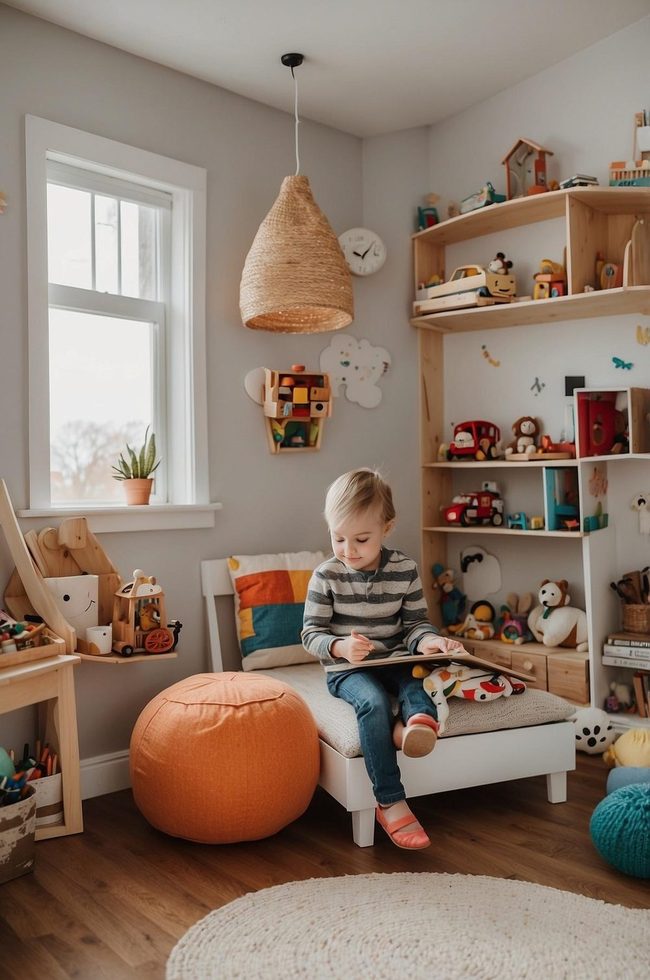
Well-lit bins and baskets in lively in tone colors make storage pop while keeping toys neatly organized, and labeling every container helps kids find what they need and makes cleanup simple.
Wall-mounted shelves in multiple hues add an eye-catching display that saves floor space and lets you showcase toys as part of your room's design, with room for framed artwork or picture books alongside the toys.
A rolling cart in a bold color gives you flexible storage that you can move around during playtime and slide away when the room needs to look neat.
Colorful toy hammocks hung in corners hold lightweight toys off the floor and add a playful touch that kids enjoy using.
Under-bed storage with colored bins keeps toys hidden while maintaining an organized system that fits your room's palette.
Multi-functional furniture like ottomans with hidden compartments or coffee tables with shelves blends storage seamlessly into your living space.
DIY wooden crates painted in fun colors and stacked into towers let you add personal character while solving storage needs.
These solutions look unified to keep your living room both kid-friendly and stylish, transforming the space into somewhere that feels organized and fun.
Green Living Play Corner For Kids
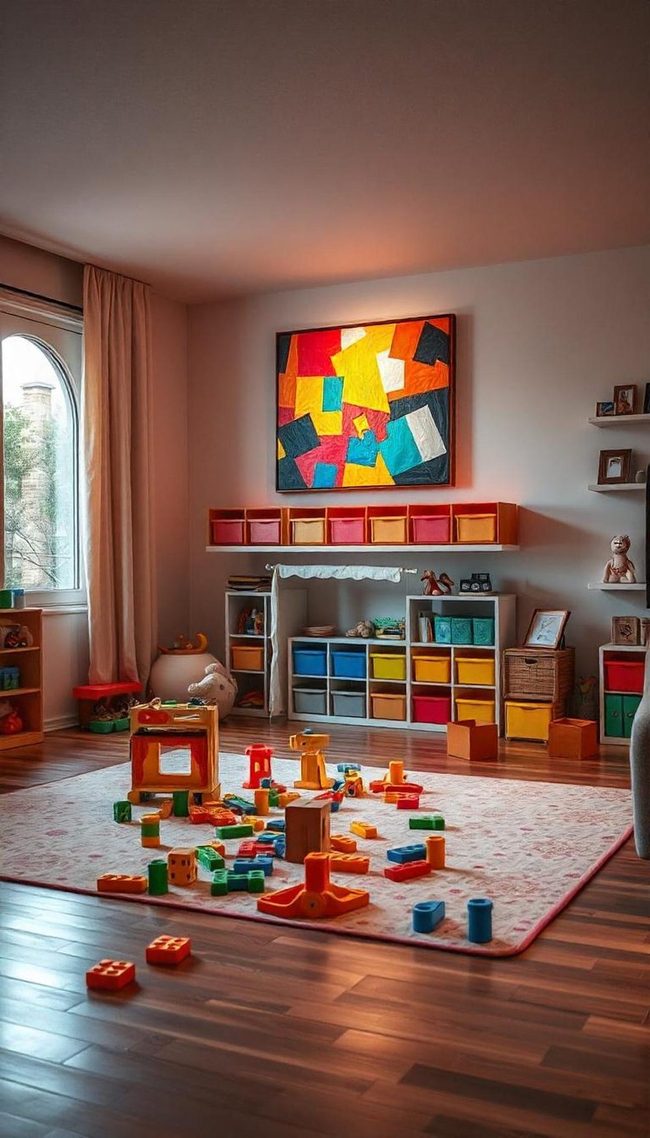
Lush green walls and hanging plants suspended from above transform your play corner into something alive and energizing, drawing kids into a space where nature thrives indoors.
Wall-mounted planters and floating shelves lined with colorful pots save you precious floor space while letting children watch plants grow right before their eyes, and non-toxic options like spider plants, Boston ferns, and areca palms keep safety in check.
A mini herb garden with basil or mint gives young ones hands-on learning and fills the room with fresh scents they can later use in the kitchen.
Nature-themed wall decals and jungle or forest artwork spark imagination while a reading nook with plant books encourages exploration and discovery.
Position your setup near windows so natural light keeps everything thriving and the space stays open and cheerful throughout the day.
Kids benefit when you assign them simple watering and leaf-dusting tasks, building their confidence and teaching them that caring for living things matters.
Dual-Purpose Leather And Fabric Ottomans
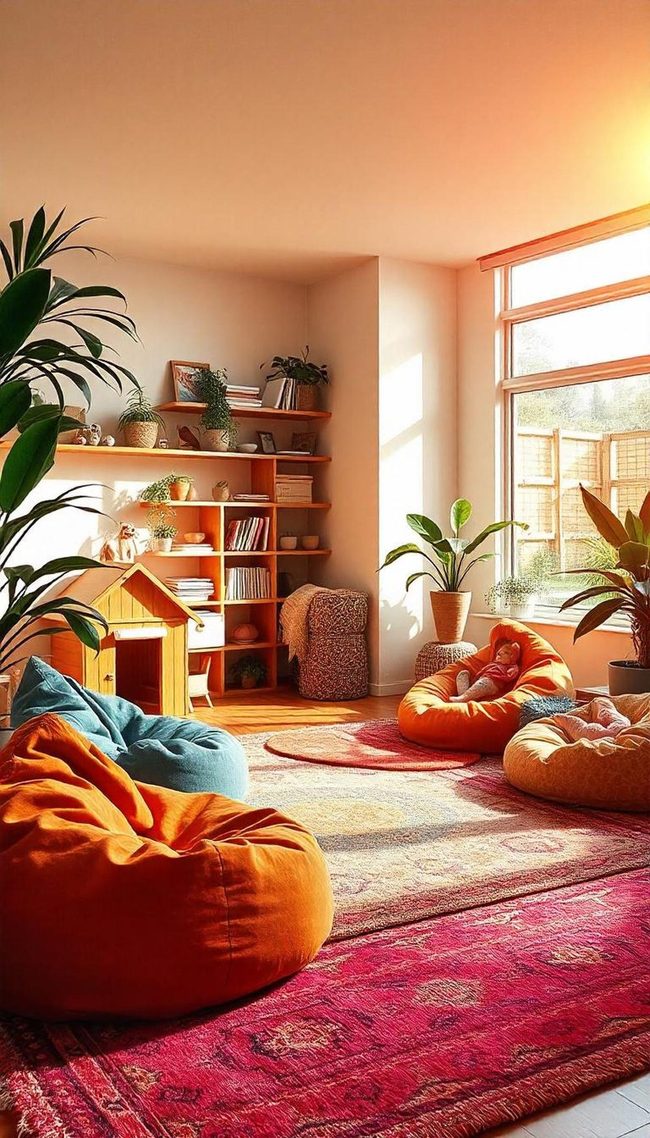
Storage ottomans let you squeeze two jobs into one piece of furniture, they give you extra seating when people come over and hide toys and games underneath the lid.
You can pick fabric or leather styles that match what you already have in your living room, so nothing looks out of place.
Since ottomans sit low to the ground, kids can reach them easily to grab what they want to play with.
It becomes easier to find they work especially well in rooms where space is tight and you can't afford to waste square footage on furniture that only does one thing.
Leather holds up well if you have messy kids, while fabric gives a softer feel if that's more your style.
Either way, these pieces help your room stay organized while looking good.
Durable Patterned Rug For Kids’ Play
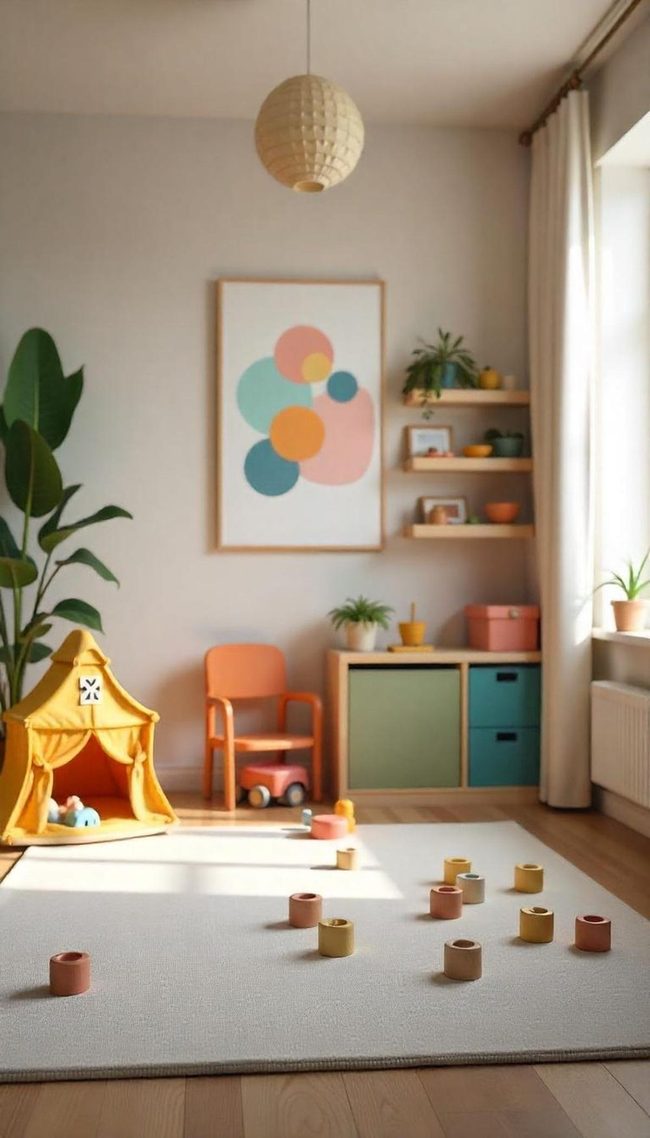
Placing a colorful or themed rug down marks out where your kids will play and helps the space feel deliberate and put-together.
Rugs do double duty by anchoring the room while also making cleanup easier since spills happen often with children around.
Pick a material built to last through plenty of wear and tear, and make sure it can handle quick cleaning when accidents occur.
You can want something durable enough for regular use but diffused enough that your children enjoy spending time on it.
A patterned rug works well because it hides minor stains while adding visual interest to the room.
If you go with a themed design that matches your kids' interests, they'll feel more connected to their space.
When you select the right rug, you're really just setting boundaries while keeping the area functional and easy to maintain.
Colorful Artwork Pegboard Display System
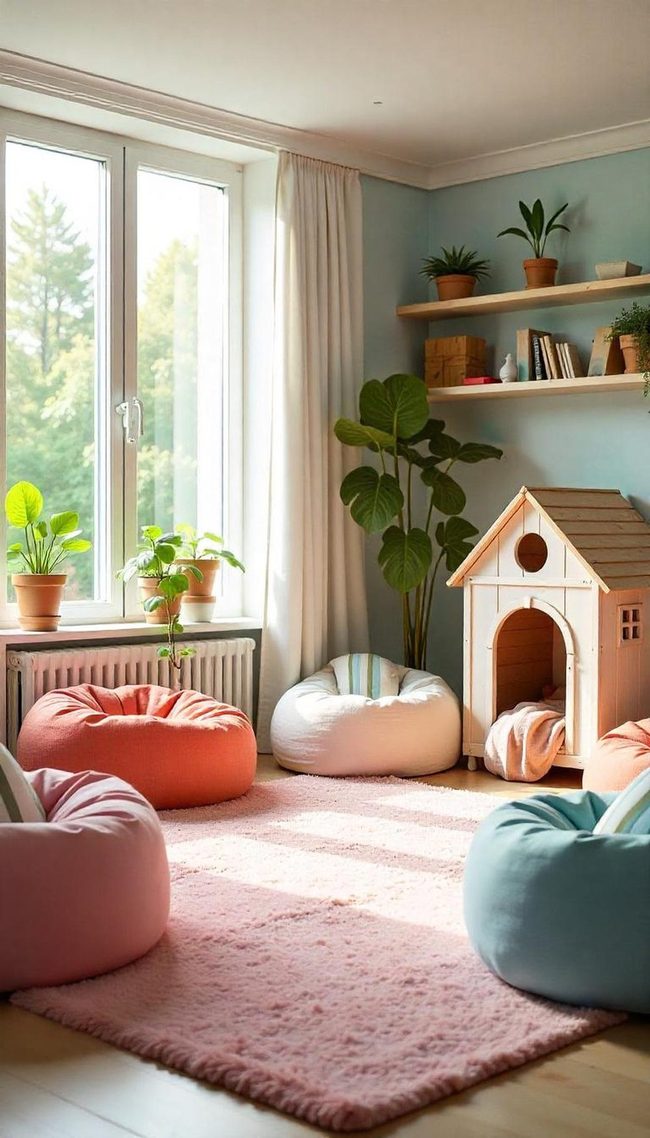
Mounting your child's best artwork and craft supplies on a gallery wall or pegboard makes the play space feel uniquely theirs and keeps everything within easy reach.
You can rotate the displayed pieces to showcase their latest creations and give them a sense of pride in their work.
Pegboards work especially well since you can adjust the hooks and storage baskets as your child grows and their interests change.
The colorful drawings and projects become part of the room's decoration rather than clutter.
Organizing supplies this way teaches kids where things belong and makes cleanup feel less like a chore.
Your child will enjoy seeing their work celebrated in the same way you might frame art in your living room.
Wall-Mounted Storage, Floor Space Saver
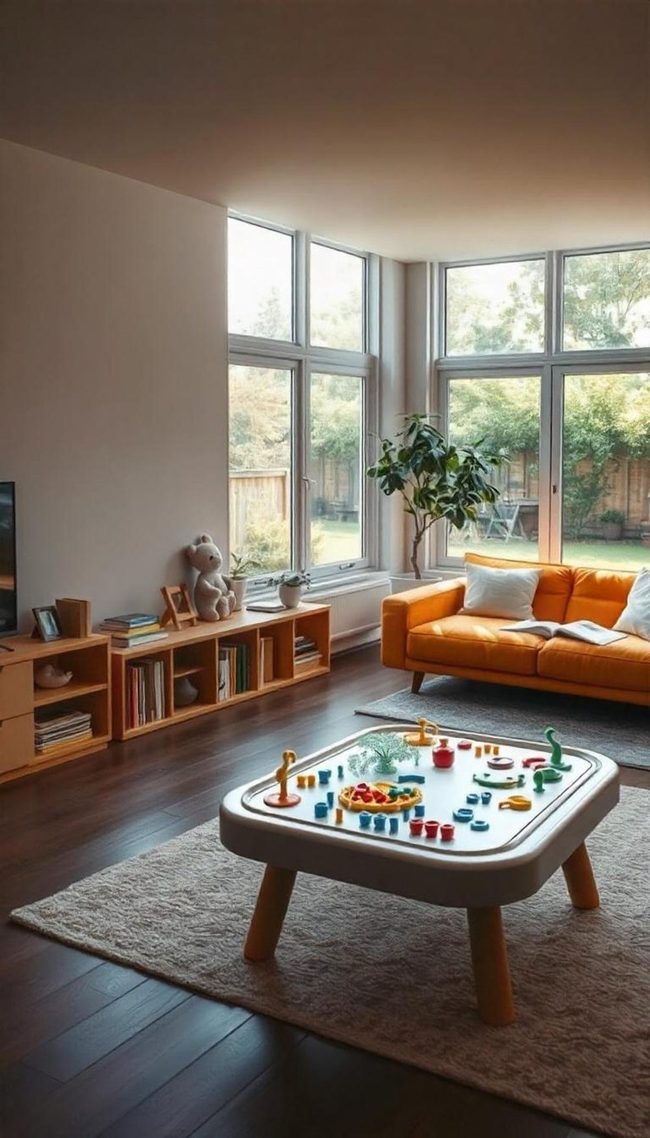
Floating shelves mounted on your walls make a real difference in how a room looks because they offer storage without eating up floor space.
You can display toys, books, or decorative pieces on them while keeping everything organized and neat.
Arrange your items with care so the shelves have a polished appearance that matches the rest of your space.
Adding stuffed animals, family photos, or other fun decor makes the shelves feel personal and reflects what matters to you.
Since these shelves don't take up room on the ground, you have more open floor for playing or moving around.
They work well in bedrooms, living areas, or any room where you need extra storage and want to show off things you love.
Mix functional storage with display pieces for a look that is both functional and visually appealing.
I like how floating shelves let you keep spaces tidy while still expressing your style through what you choose to put on them.
Rustic Timber Growth Chart For Play Spaces
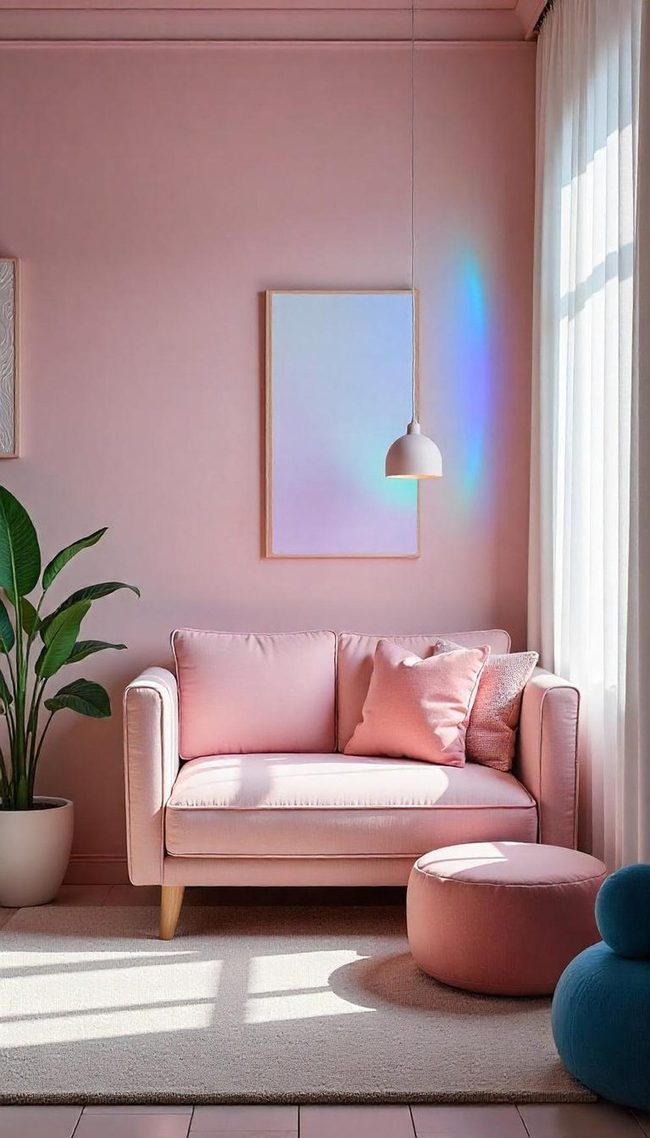
Measuring your child's growth right in the play corner gives you a well suited to daily routines way to document those early years and creates a lasting memory in a space they love.
You can pick from different styles that suit your room's look, maybe a simple wooden ruler that blends in with natural decor or a fun character design that kids find exciting.
Wood options offer a timeless feel and work especially well in rooms with neutral tones and natural materials.
If your child loves well-lit colors or playful themes, a decal-style chart brings personality and matches the fun energy of the play area.
Every few months you mark the height and watch the little lines climb higher, making it easy to see how fast time passes.
Your kids will enjoy the ritual of checking their progress and comparing heights with siblings or loved ones.
Over time, this simple addition becomes something you treasure.
Children’S Pure Oak Workspace Set
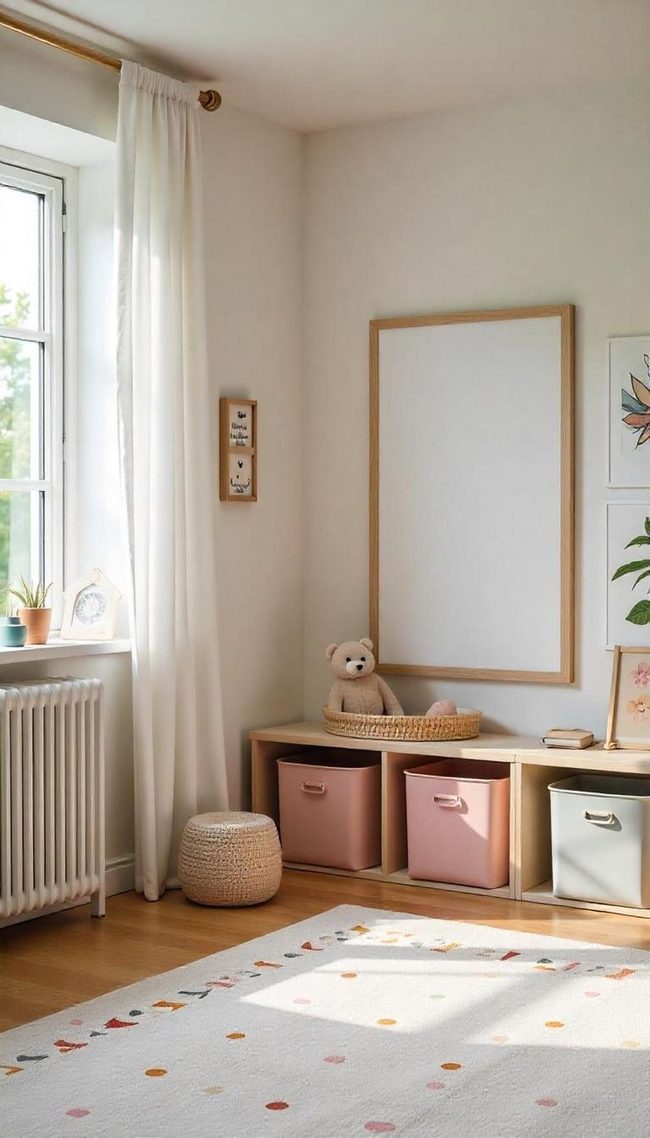
The low table with matching chairs sized for children works wonderfully for homework, building activities, and nibbling snacks throughout the day.
You can pick styles that blend with your space, whether you go for natural wood pieces or delicate pastel tones that match your walls and other furnishings.
Such a setup serves double duty because kids have their own workspace and you gain extra seating options for the whole family.
It's both easy to maintain and charming at once.
You get functionality without sacrificing style or comfort in your main living space.
Child-Height Wooden Book Display
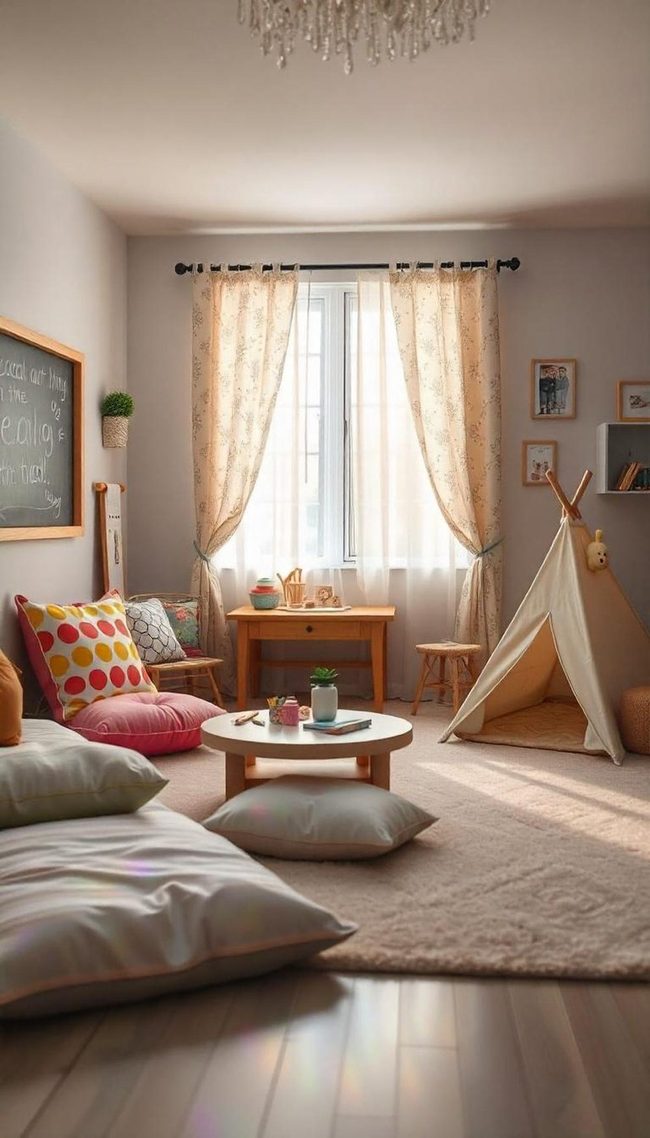
If you want to nurture reading habits in your kids, a small bookshelf placed at their eye level makes books feel like part of daily play rather than a chore.
Wooden designs bring warmth to a room and blend nicely with most living room styles, while modern shelves offer clean lines if your space leans contemporary.
Keeping the shelf low means your children can reach their favorite stories without asking for help, and they'll naturally grab books whenever the mood strikes.
You might arrange colorful spines front-facing so the shelf doubles as a visual element in the room.
Books become both functional storage and room decoration when displayed this way.
Having stories within arm's reach encourages kids to spend more quiet time reading, which works well during the day or before bedtime.
Plus, watching your children browse and select their own books gives you insight into what captures their interest and imagination.
Colorful Cushions Transform Kids Spaces
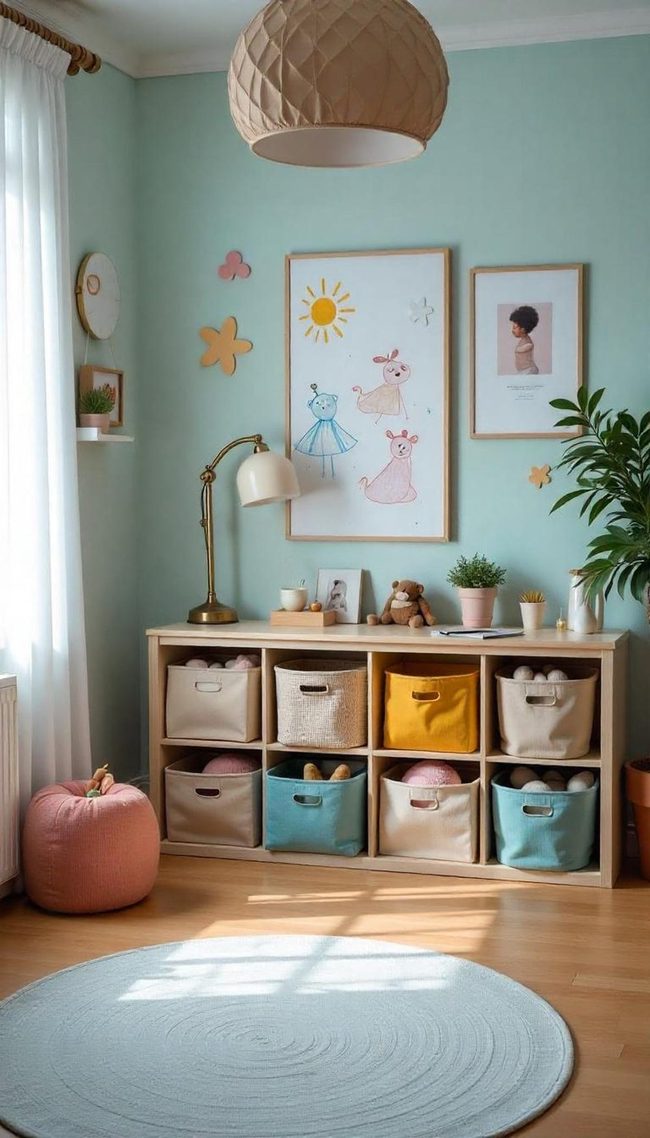
Scatter cushions and bean bags throughout your living room to let kids build restful reading nooks and relaxing spots that add pops of color to the space.
Ottoman pieces with hidden compartments serve triple duty as extra seating, footrests, and tables while tucking toys away when playtime wraps up.
Storage-packed coffee tables keep books, puzzles, and games organized right beneath the surface where children can grab what they need.
Position bookshelves as room dividers to carve out distinct activity zones inside your living room, and fill them with both books and toys so kids can move between different areas.
Side tables become mini play stations when you top them with art supplies, building blocks, or small toys, giving your children designated spots for specific activities.
Wall-mounted shelves and desks save precious floor space while letting kids reach their things independently and access activities on their own.
A small table and chair set scaled to your kids' size gives them their own workspace for crafts, games, and snacks right alongside your grown-up seating.
Children’S Canvas Hideaway Corner
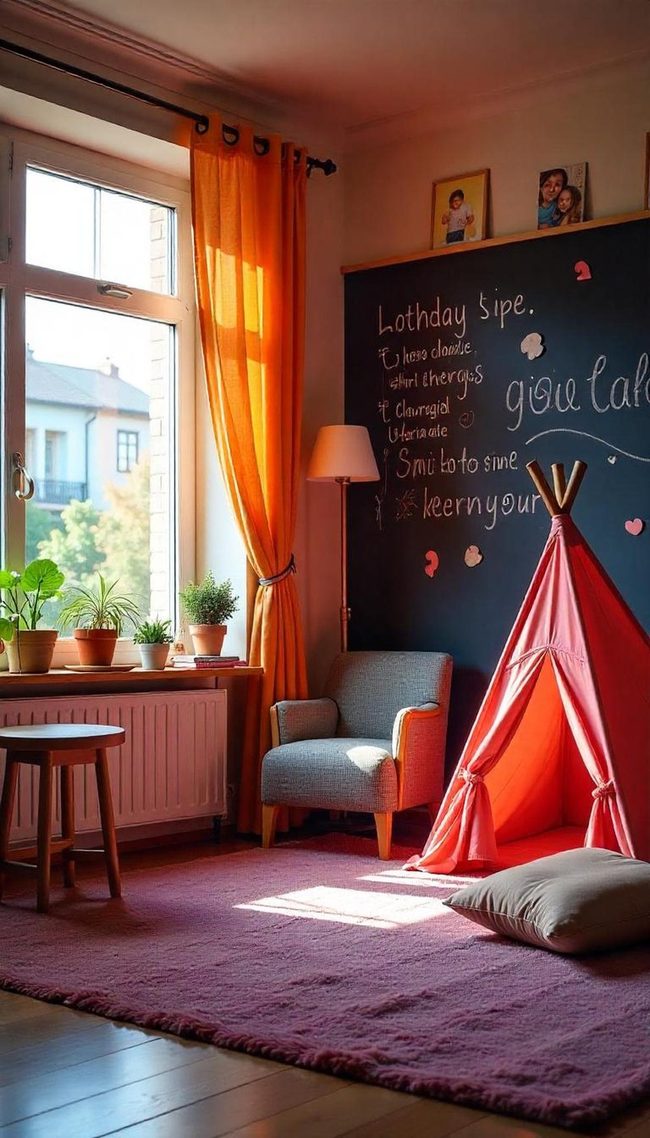
The play tent or teepee structures a fun hideaway where children can enjoy games, lose themselves in books, or rest during the day, and you can find versions with simple patterns or solid colors that fit right into your living room's style without demanding too much attention.
Most parents appreciate how these pieces bring personality to a room while keeping things balanced and not too busy.
Set one up in a corner and it becomes a private retreat for kids that doesn't clash with your existing furniture or wall colors.
Kids naturally love having their own space to retreat to, and the layout makes it possible to find they spend more time playing independently when given this option.
Many families find that a tent or teepee keeps toys contained in one area and makes cleanup easier since everything stays within those fabric walls.
Since you can fold these up and store them away when you want a cleaner look, they work well in homes where you like to switch things around.
If you choose a color or pattern that echoes something else in your room, maybe a rug or throw pillow, it blends in nicely rather than standing out as a random addition.
Colorful Wall Games For Active Kids
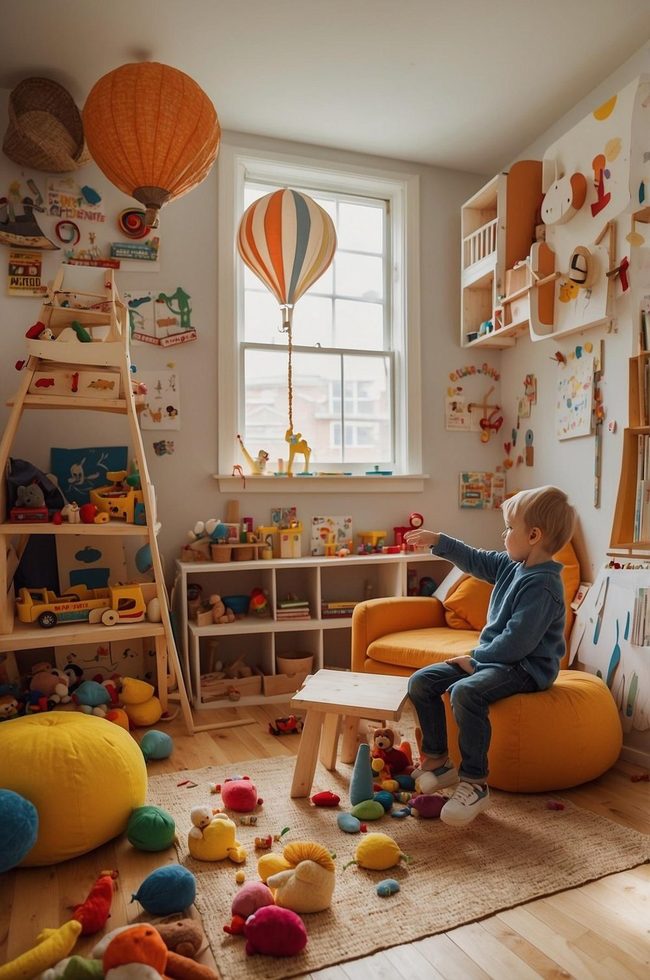
Interactive wall games transform empty space into a hub of activity where kids engage in hands-on fun and learning at the same time.
Balloon darts hanging on a board with confetti-filled surprises offer instant excitement and keep children entertained for hours.
Magnetic boards let kids manipulate letters, numbers, and shapes while naturally picking up educational skills without realizing they're learning.
Chalkboard walls give children unlimited freedom to draw, write, and play games like tic-tac-toe whenever the mood strikes.
Felt boards work well for storytelling and imaginative scenes that kids build and rebuild as their creativity shifts.
Puzzle walls mounted at child height encourage solo work or collaborative play with siblings and others.
Climbing walls using gentle, safe materials add physical activity to the mix and make use of vertical space you might otherwise ignore.
An art gallery corner where kids display their own work builds confidence and gives them a sense of ownership over their room.
These options work because they keep kids active and occupied while parents get breathing room, and you can mix and match based on your space and preferences.
Alex Johnson
Home Decor Specialist & Content Creator
Expertise
Room Makeovers, DIY Home Projects, Budget-Friendly Decorating, Seasonal Decor Trends
Education
The Interior Design Institute, USA
New York Institute of Art and Design
Alex Johnson is a home decor specialist and content creator who believes that every space should reflect its owner’s unique personality. With a Diploma in Interior Design from The Interior Design Institute and a Certificate in Home Staging from the New York Institute of Art and Design, Alex focuses on making home styling fun, affordable, and accessible.
At Homee Bee, Alex provides room makeover ideas, DIY decor solutions, and budget-friendly styling tips to help readers transform their homes with confidence. Whether it’s seasonal decor trends, thrift store finds, or smart space-saving tricks, Alex’s approach is all about creating beautiful, functional spaces that feel truly personal.